Do Glasses Make Your Eyesight Worse? Debunking a Common Myth
Table of Contents
It’s a question many of us have heard, or perhaps even wondered ourselves: “Does wearing glasses actually make my eyes weaker?” This idea, that relying on corrective lenses somehow harms your vision over time, is a persistent and widespread myth. It’s a concern that can make people hesitant to wear their prescribed eyewear, potentially leading to unnecessary discomfort and eye strain.
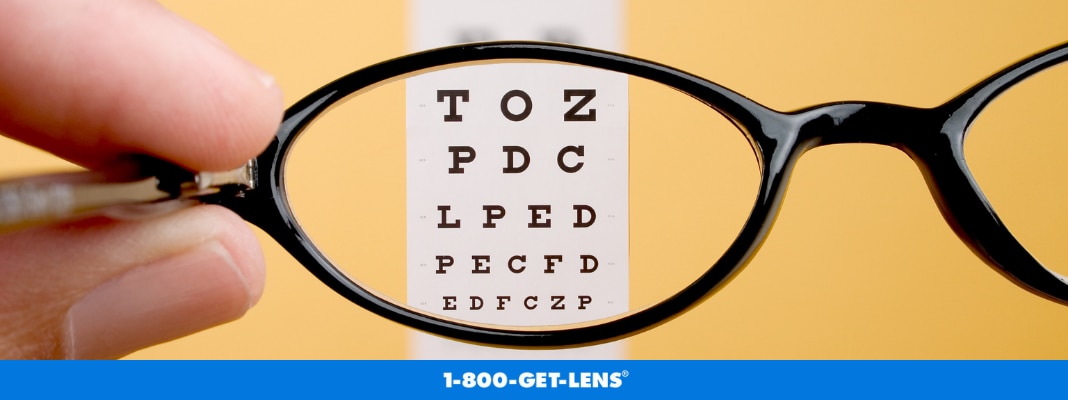
Let’s set the record straight right away, wearing glasses does not make your eyesight worse. In fact, when worn as prescribed by your eye care professional, glasses, contact lenses, and all other forms of corrective eyewear are designed to do just the opposite – they make your eyesight better. This guide will clarify why this common misconception exists, what truly causes vision changes, and how glasses genuinely help support your eyes for clear, comfortable vision.
Do Glasses Truly Weaken Your Eyes?
The belief that glasses weaken your eyes is simply untrue. Your eyes are not muscles that atrophy or get “lazy” from wearing corrective lenses. Think of it this way: if you have a sprained ankle, using crutches helps you walk comfortably and prevents further strain. The crutches don’t weaken your leg; they support it while it heals or adapts. Similarly, glasses provide the necessary optical correction that your eyes need to focus light properly.
When you wear your prescription glasses, your eyes and brain are finally able to relax and see the world clearly, without constantly straining to compensate for refractive errors. This reduces eye fatigue, headaches, and the need to squint. Far from weakening your eyes, glasses allow them to function more efficiently and comfortably, supporting your natural visual system.
Why Do Vision Prescriptions Change Over Time?
One of the main reasons the myth about glasses weakening eyes persists is the common experience of needing a stronger prescription over time. However, this change isn’t due to the glasses themselves; it’s a result of natural processes and other factors affecting your eyes.
As we age, the natural lens inside our eye gradually becomes less flexible. This process, known as presbyopia, typically begins in your 40s or 50s and makes it harder to focus on close-up objects and text. It’s a normal part of aging, not a consequence of wearing glasses. Similarly, conditions like nearsightedness (myopia) can progress slightly over time due to genetic predispositions or environmental factors, regardless of whether glasses are worn.
The “perception” that your eyesight worsens after wearing glasses also plays a role. When you take off your prescription glasses, the world might suddenly seem much blurrier than you remember it being before you started wearing them. This isn’t because your eyes have deteriorated; it’s simply because your brain has become accustomed to the clear, sharp vision provided by your glasses. The contrast between corrected and uncorrected vision becomes more noticeable.
In fact, not wearing your prescribed eyewear can lead to several unnecessary eye problems:
Eye strain
Headaches
Fatigue
Constant squinting
Worsening of uncorrected childhood conditions (like amblyopia or strabismus)
Can Glasses Actually Improve Eyesight?
While glasses don’t permanently reshape your eyes or “cure” refractive errors in adults, they absolutely improve your eyesight by providing immediate, clear vision. When you wear the right prescription, you should see everything clearly and comfortably. If not, it’s a sign to speak with your eye doctor.
Interestingly, there are specific cases where glasses or corrective lenses can help eyesight get better over time, particularly for children. For example, if a child has amblyopia (“lazy eye”) or strabismus (“crossed eyes”), glasses can be an important part of guiding proper visual development. By ensuring the child’s brain receives clear images from both eyes, glasses can help the visual system mature correctly, sometimes to the point where they no longer need glasses for that specific condition.
Additionally, newer technologies like specialized contact lenses and even some eyeglass lenses are being developed and used to help slow the progression of nearsightedness in children. These advancements aim to reduce the amount of vision change that might otherwise occur as a child grows.
What Happens if You Wear the Wrong Prescription?
Wearing glasses with the wrong prescription won’t cause permanent damage to your eyes, but it certainly won’t be comfortable and can lead to temporary issues. If your prescription is too strong or too weak, or if it doesn’t correctly account for your specific refractive error, you might experience symptoms like eye strain, headaches, or blurry vision while you’re wearing them.
If you’ve recently gotten new glasses and these bothersome symptoms persist after a couple of weeks of adjustment, it’s important to check in with your optometrist right away. They can verify your prescription and ensure your lenses are accurately made. Remember, always wear corrective lenses only as prescribed by your eye doctor; avoid trying to self-prescribe based on vision issues you perceive.
Your Path to Clear Vision Starts with an Eye Exam
Given how common vision issues are, and how beneficial corrective eyewear can be, regular eye exams are truly essential. They are the best way to detect and address any changes in your vision or overall eye health early on. An eye exam goes beyond simply checking for a prescription; it’s a comprehensive check of your eye health, looking for signs of conditions that might not have obvious symptoms.
During your visit, your optometrist can accurately assess your vision and recommend the perfect solution for your eyes. Whether that means a new pair of glasses, exploring contact lenses, or discussing other options, a professional assessment ensures you get the right care. It’s a proactive step to safeguard your vision for years to come.
Finding Your Perfect Pair at 1-800-GET-LENS
Whether you’re among the millions who already wear glasses or you’re just starting your journey to clearer vision, 1-800-GET-LENS is here to help. We understand that finding the right eyewear should be simple, affordable, and tailored to your needs. That’s why we offer a wide selection of high-quality glasses and contact lenses from trusted brands. With competitive pricing, a convenient online shopping experience, and easy prescription renewals, getting the vision correction you need has never been simpler. We are committed to helping everyone achieve comfortable, clear vision.