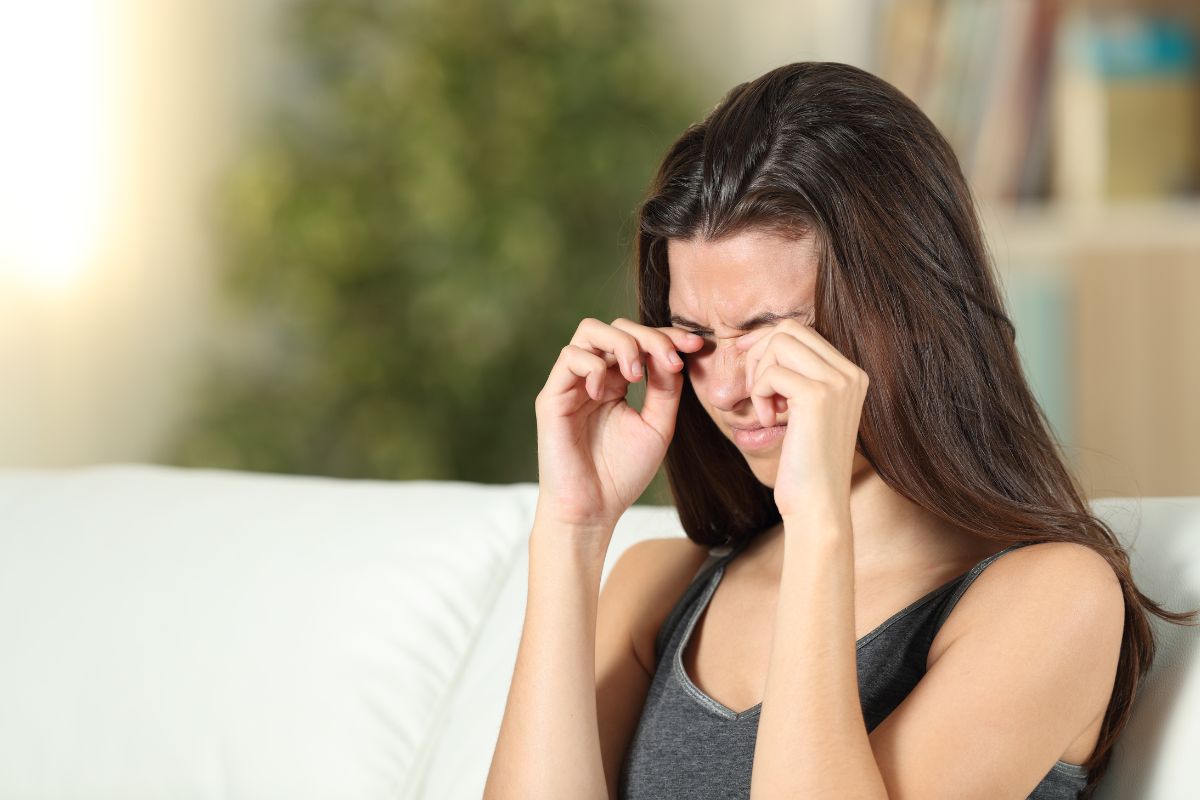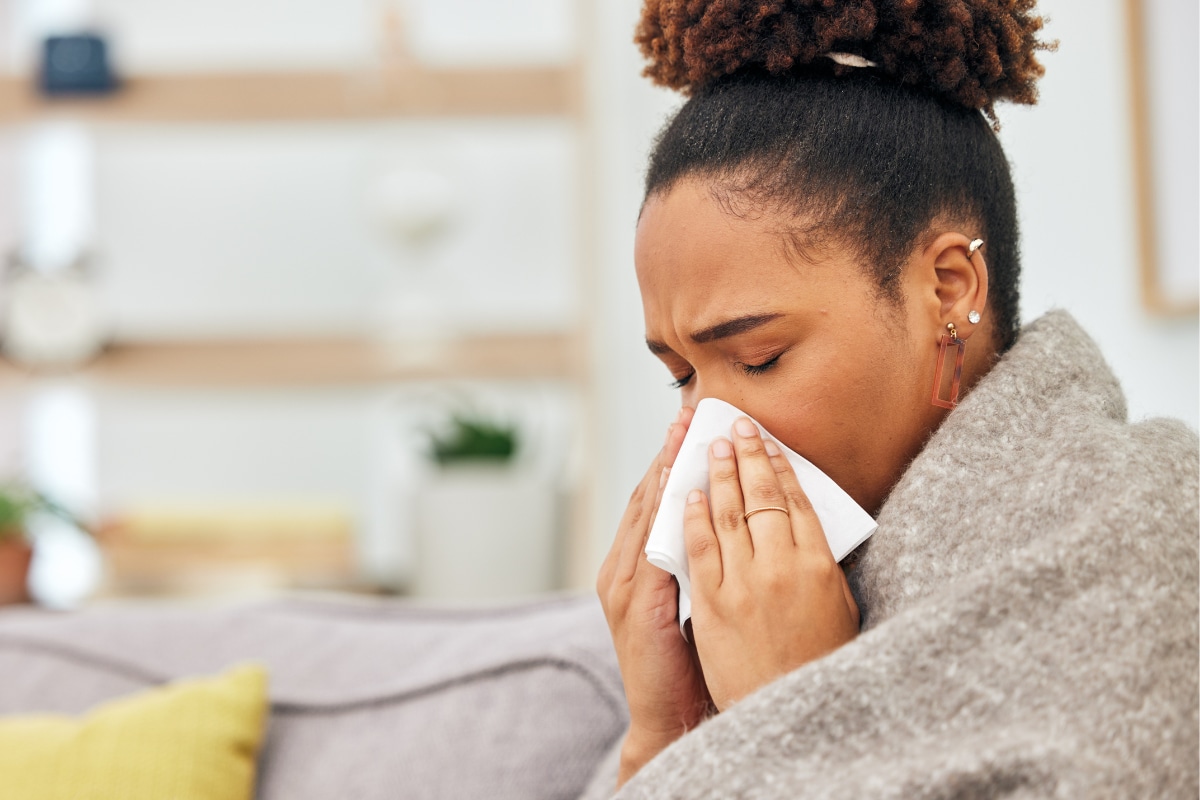
When allergy season hits, it often brings a wave of discomfort—itchy eyes, sneezing, congestion, and watery eyes. For contact lens wearers, these symptoms can be especially frustrating. Pollen, dust, and other allergens can easily cling to lenses, causing irritation and making it hard to enjoy clear, comfortable vision.
But don’t despair—there are plenty of strategies to help you manage seasonal allergies while wearing contact lenses. In this guide, we’ll share some practical tips on how to reduce allergy symptoms, maintain comfort, and take care of your lenses during allergy season.
1. Choose the Right Type of Contact Lenses
The type of contact lenses you wear can have a significant impact on your eye health and comfort during allergy season. If you struggle with seasonal allergies, certain lens materials and designs can minimize irritation.
Daily Disposable Lenses
Daily disposable lenses are one of the best options for allergy sufferers. Since you wear a fresh pair every day, you eliminate the risk of allergens building up on your lenses. Pollens, dust, and pet dander can stick to contact lenses, causing discomfort, but with daily disposables, you start fresh each day. This means no need to worry about cleaning or storing lenses and, most importantly, no buildup of allergens.
Pros:
- No need for cleaning or storage
- No allergens or deposits from previous days
- A fresh pair of lenses every day
Tip: If you have frequent allergies, consider using daily disposable lenses during peak allergy season for maximum comfort.
Silicone Hydrogel Lenses
Silicone hydrogel lenses are known for their superior breathability and moisture retention. These lenses allow more oxygen to reach the eye, keeping it hydrated and reducing dryness, which can exacerbate allergy symptoms. Since silicone hydrogel lenses are designed to retain moisture, they help minimize irritation caused by dry eyes during allergy season.
Pros:
- Increased oxygen flow to the eyes
- Better moisture retention to prevent dryness
- Greater comfort for extended wear
Tip: If you wear extended wear lenses or use lenses for long hours, silicone hydrogel lenses can offer much-needed comfort during allergy season.
2. Keep Your Lenses Clean and Replace Them Regularly
Contact lenses can trap allergens, bacteria, and proteins, which can contribute to eye irritation. One of the most important things you can do to minimize discomfort during allergy season is to maintain proper lens hygiene.
Clean Your Lenses Properly
Always use the recommended cleaning and disinfecting solutions for your contact lenses. Never wash your lenses with water or saliva, as these can introduce bacteria and cause infections. Make sure to rub, rinse, and store your lenses in the disinfecting solution every time you remove them.
Tip: If you wear reusable lenses, invest in high-quality cleaning solutions that are specifically designed to remove allergens and debris from your lenses.
Replace Your Lenses on Schedule
Whether you wear monthly, bi-weekly, or daily lenses, make sure to follow your eye care professional’s recommendations for replacing your lenses. Overdue lenses can build up protein deposits and allergens, increasing the likelihood of irritation and discomfort.
3. Use Allergy Eye Drops Safe for Contact Lens Wearers
Allergy eye drops can be a lifesaver for contact lens wearers during allergy season. They help to reduce redness, dryness, and irritation by soothing the eyes. However, it’s important to choose eye drops specifically designed for use with contact lenses. Regular over-the-counter drops may contain preservatives that can damage lenses or irritate your eyes.
Look for Preservative-Free Drops
Opt for preservative-free allergy eye drops, which are safe to use with contact lenses. These drops are gentle on the eyes and can provide quick relief from symptoms like itching, dryness, and puffiness caused by allergens.
Tip: Always check with your optometrist or ophthalmologist before trying any new eye drops, especially if you wear contacts. They can recommend the best products for your specific needs.
4. Avoid Touching Your Eyes or Lenses

During allergy season, your eyes may feel itchy and irritated, making you want to rub them. However, rubbing your eyes can transfer more allergens from your hands to your eyes and lenses, which could make your symptoms worse.
Practice Good Hygiene
Be sure to wash your hands thoroughly before handling your lenses. If you feel the urge to rub your eyes, try using a cold compress or an allergy drop for relief instead. Keeping your hands clean and away from your eyes will help reduce the risk of transferring allergens onto your lenses.
5. Consider Switching to Glasses When Symptoms Are Severe
If your allergies are particularly severe, sometimes the best solution is to give your eyes a break from contact lenses. Wearing glasses can help minimize the exposure of allergens to your eyes. Glasses can provide a physical barrier that protects your eyes from pollen, dust, and other irritants in the air.
Eyeglasses as an Allergy-Friendly Alternative
While glasses won’t provide the same level of vision correction as contact lenses, they can give your eyes a much-needed rest during allergy flare-ups. Consider wearing glasses during the most intense allergy seasons if you’re sensitive to allergens.
Tip: Keep a pair of glasses handy, especially when your allergies are particularly bothersome.
6. Maintain a Clean Living Environment
Allergens can build up in your home, and exposure to these irritants can worsen your allergy symptoms, especially when you wear contact lenses. Make sure your living space is as allergen-free as possible.
Dust Regularly and Use HEPA Filters
Regularly clean and dust your home, particularly your bedroom and living areas. Using HEPA air filters can help trap allergens in the air, keeping them away from your eyes. Keep windows closed during high pollen seasons to avoid bringing in outdoor allergens.
Tip: Wash your bedding and pillowcases frequently to remove allergens that may accumulate while you sleep.
Ready to Handle those Allergies?
Managing seasonal allergies while wearing contact lenses may seem challenging, but with the right strategies, you can keep your eyes comfortable and your vision clear. From choosing the right lenses to practicing proper hygiene, following these tips can help reduce irritation and allow you to enjoy allergy season with ease. Remember, if your symptoms persist or worsen, consult with your eye care professional for personalized advice on managing your allergies and eye health.
At 1800GetLens, we offer a variety of lenses designed for comfort and ease during allergy season. Whether you need daily disposables, breathable silicone hydrogel lenses, or the right allergy eye drops, we’ve got you covered. Shop today and take control of your eye health this allergy season!