Have you ever found yourself looking around a room, or even just walking down the street, and wondered: “How many people here actually wear glasses?” It’s a common thought, and you might be surprised by the answer. While it feels like a personal journey, needing vision correction is a very common part of life for millions of people.
The truth is, seeing clearly is a shared experience, and for many, that means relying on eyeglasses or contact lenses. Explore why so many people need vision correction, and discover how easy it is to find your perfect eyewear solution.
Is Wearing Glasses as Common as You Think?
Pinpointing the exact number of glasses wearers globally can be tricky, as large-scale international studies with consistent data are hard to come by. However, when we look at reliable data from regions with comprehensive surveys, the picture becomes very clear: wearing glasses is incredibly common.
Take the United States, for example. According to The Vision Council, a significant 63.7% of adult Americans wear prescription eyeglasses. That’s a staggering 166.5 million people! This number alone shows that if you wear glasses, you’re definitely in good company. The need for vision correction also changes with age.
A 2019 National Health Interview Survey found that about 25.3% of American children aged 2-17 wore glasses or contacts, with the percentage increasing as they got older. On the other end of the spectrum, a 2018 study revealed that a remarkable 92.4% of Medicare beneficiaries aged 65 or older reported using glasses. These numbers truly tell us that vision needs evolve throughout our lives, and corrective eyewear becomes a nearly universal tool for clear sight as we age.
Why Do So Many People Need Glasses?
Most people wear glasses to correct refractive errors. These are common optical imperfections where your eye’s shape prevents light from focusing correctly on the retina, resulting in blurry vision. Glasses are designed to fix these issues. Common refractive errors include:
Nearsightedness (Myopia). Distant objects look blurry; light focuses in front of the retina. Very common globally.
Farsightedness (Hyperopia). Close objects look blurry, distant objects are clear; light focuses behind the retina. Also widespread.
Astigmatism. An irregular cornea curve causes distorted vision at all distances.
Presbyopia. An age-related condition (starts 40s-50s) where the eye’s natural lens loses flexibility, making close-up focus difficult. An almost universal experience with age.
Other eye conditions can also lead to needing glasses:
Eye Strain. Glasses, like anti-fatigue or reading lenses, can relieve discomfort from prolonged screen time or close work.
Amblyopia (“Lazy Eye”). A vision impairment, usually in one eye, where the brain favors the other. Glasses can help treat it.
Strabismus (“Crossed Eyes”). Eye misalignment where glasses can help manage visual symptoms or aid eye coordination.
The Difference Between Needing and Wearing Glasses
It’s important to understand that the number of people who need vision correction is actually higher than the number who wear glasses or contacts. Globally, the World Health Organization estimates that at least 2.2 billion people have problems with near or distance vision. What’s even more striking is that for about half of those individuals – at least one billion people – their vision impairment could have been prevented or has not yet been treated.
This highlights that access to eye care and awareness of vision issues play a significant role in whether someone receives the corrective eyewear they need. Many people might be squinting through their day without realizing how much clearer and more comfortable their vision could be.
Why Regular Eye Exams Matter
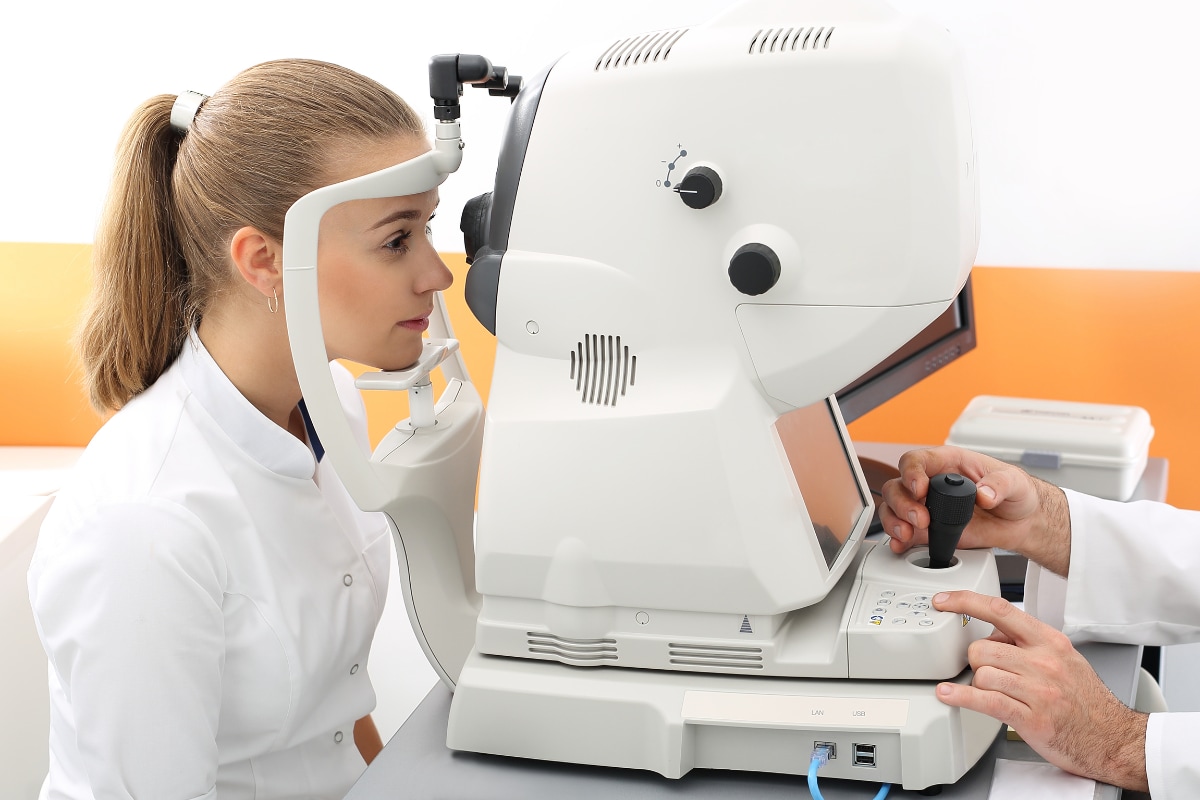
Regular eye exams are essential. They are the best way to detect and address vision changes or eye health issues early. An eye exam offers a comprehensive check beyond just a prescription, looking for conditions without obvious symptoms. Your optometrist can determine your vision problems and recommend the best solution for your eyes, ensuring you get the right care and proactively safeguard your vision for years to come.
Finding Your Perfect Pair at 1-800-GET-LENS
Whether you already wear glasses or are just starting your journey to clearer vision, 1-800-GET-LENS is here to help. We make finding the right eyewear simple, affordable, and tailored to your needs. We offer a wide selection of high-quality glasses and contact lenses from trusted brands, with competitive pricing, a convenient online experience, and easy prescription renewals. We are committed to helping everyone achieve comfortable, clear vision.