How Often Should You Get New Glasses?

how-often-should-i-get-new-glasses

Table of Contents

When to Consider New Eyewear

Most people replace their glasses every one to two years. This often depends on when their vision insurance provider covers a new pair. However, knowing exactly how often you should get new glasses is not always a simple decision.

Your glasses are your tool for clear vision. A change in your prescription will always be the most important factor in deciding when to buy a new pair. Other issues, from damage to simple changes in your daily life, can also signal that it is time for new eyewear.

  1. Prescription Changes

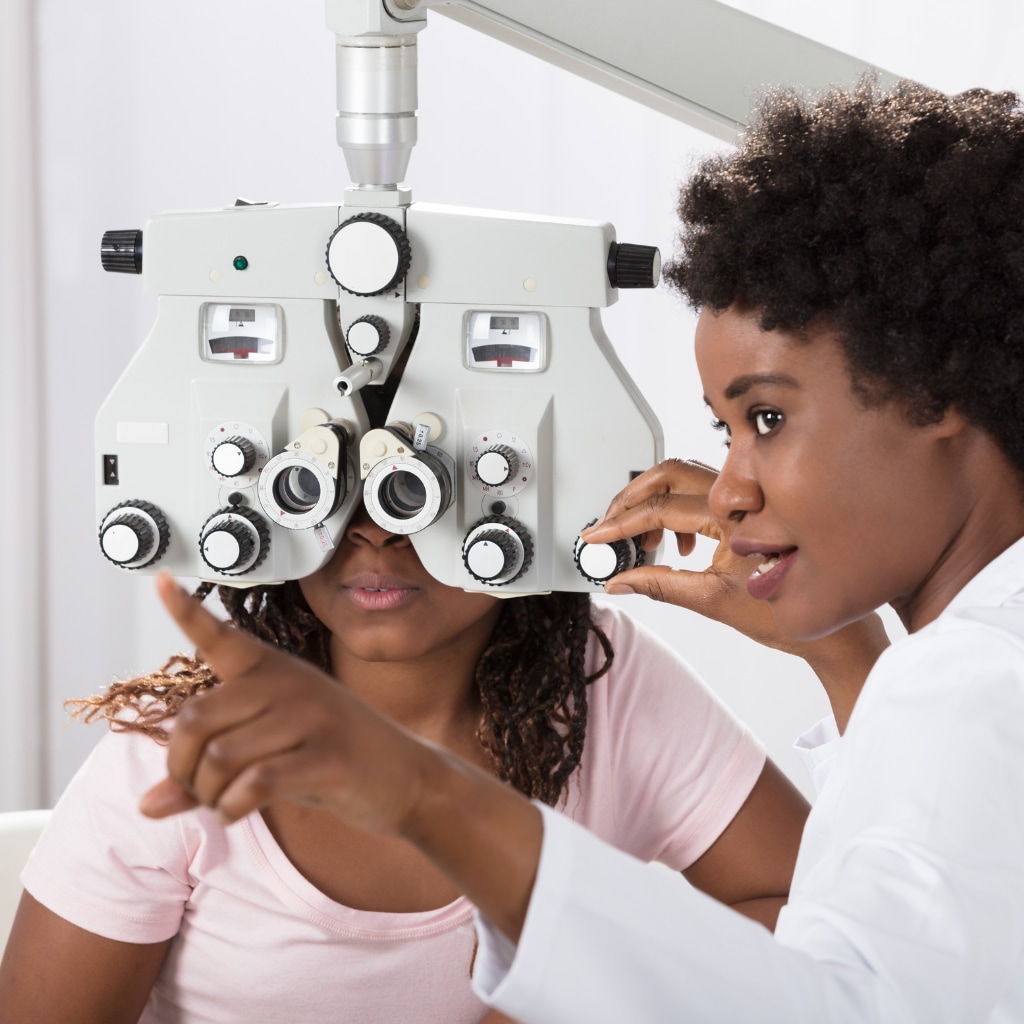
If your prescription changes, it is time for a new pair of glasses. Most glasses prescriptions expire after one or two years. During your eye exam, your eye doctor will check your vision and let you know if your prescription has changed enough to require a new pair. How quickly a prescription changes depends on the person. 

Eyesight usually changes less often for people in their 20s and 30s because their eyes have stopped growing. Young children and older adults may find their prescriptions change more frequently. If your doctor finds little to no change, you can continue wearing your current glasses if you choose.

  1. Wear and Tear

A quality pair of eyeglasses can last many years with good care. Yet, wear and tear can cause you to need a new pair sooner than planned. Scratched lenses affect the clarity of your vision. Trying to fix scratched lenses is not recommended. If scratches obstruct your view, it is time for replacement lenses. 

Broken frames can sit incorrectly on your face, causing discomfort or affecting how the lens focuses light. Protective coatings, such as anti-reflective layers, can also wear down over time, reducing the benefit they provide. It is smart to have a spare pair of glasses on hand. Alternating between a few pairs can help each pair last longer overall.

  1. New Lens Technology

New lens materials and features are released often. These advancements can provide benefits that your current glasses do not have. For example, photochromic lenses darken automatically when exposed to the sun, which eliminates the need to carry separate prescription sunglasses

Lenses that filter blue light are available for people who spend a lot of time on computers and digital devices. This can help reduce eye strain. Deciding to update your eyewear to take advantage of these new technologies is a good way to invest in your comfort and vision health.

  1. Style and Appearance

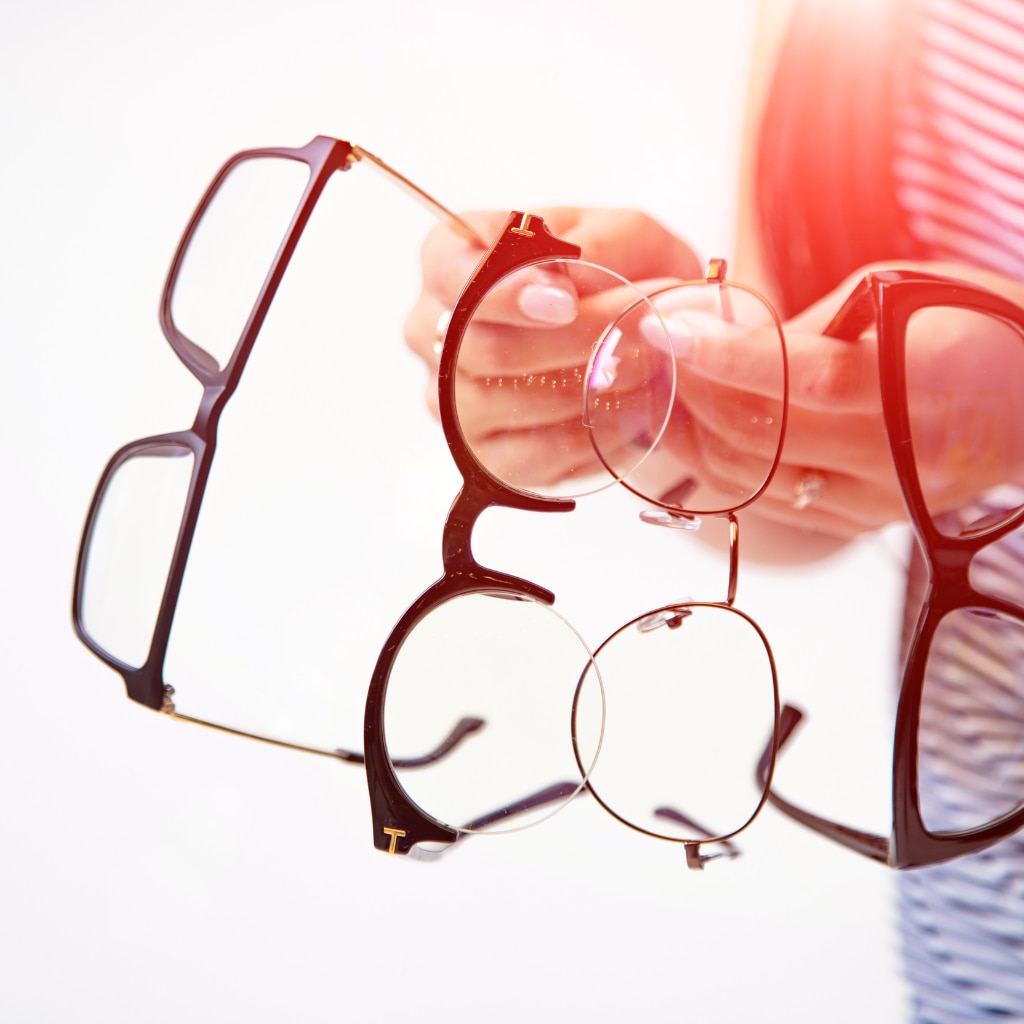
Glasses are a necessary tool, but they are also a personal accessory. There is no reason not to get a new pair of glasses for fashion. You may want to try a new frame shape or a different color. Switching up your frames is understandable, even if your prescription has not changed. 

Many people find value in having more than one pair of glasses. You can choose a pair for formal occasions and a different pair for everyday use. Having multiple pairs allows you to match your eyewear to your clothes and mood.

  1. Lifestyle Changes

Changes in your work routine can indicate a need for a new pair. A new job that requires long hours on a computer may require special lenses designed to reduce fatigue. A physical labor job might require more durable frames. 

Starting a new activity, such as painting or cycling, often creates a need for specialized lenses. If you start driving at night more often, you may benefit from anti-reflective coatings that reduce glare from headlights.

Why People Need Glasses

People need glasses for two main issues: refractive errors and other eye conditions.

Refractive Errors

A refractive error happens when the shape of the eye prevents light from focusing correctly on the retina. This causes blurry vision. Refractive errors are the most common reason people need glasses.

  • Myopia (Nearsightedness) – Myopia causes distant objects to look out of focus while close objects remain clear. Studies show that roughly 12 percent of children and 27 percent of adults globally are nearsighted.
  • Hyperopia (Farsightedness) – Hyperopia causes close-up text appear blurry while distant objects are clear. This condition affects about 5 percent of children and 31 percent of adults worldwide.
  • Astigmatism – This occurs when the cornea has an irregular curve, which causes light to bend abnormally. Studies indicate that approximately 40 percent of adults have astigmatism globally.
  • Presbyopia – This condition causes near vision to blur as people age, usually after the age of 40, when the lens loses its flexibility. Researchers estimate that roughly 1.8 billion people worldwide had presbyopia in 2015.

Other Conditions

Refractive errors are not the only cause of vision issues. Other eye conditions may also require corrective lenses.

  • Eye Strain – Even people without refractive errors can suffer from eye strain, often from excessive digital device use. An eye doctor may recommend specific glasses to treat this, such as reading glasses or lenses designed to reduce fatigue.
  • Amblyopia (Lazy Eye) – Amblyopia is a vision impairment that usually affects one eye. It happens when the brain ignores signals from one eye. Depending on the cause, an eye doctor may prescribe glasses to treat the condition.
  • Strabismus (Crossed Eyes) – Strabismus is a misalignment of the eyes. One eye may turn inward, outward, or at an angle. It is estimated that about 2 percent of people globally have some form of strabismus.

Getting the Right Replacement Plan

The easiest way to make sure you get new glasses when you need them is to follow a consistent plan. This includes getting regular eye exams.

Adults should generally have an eye exam every one to two years. Children often require more frequent checkups, sometimes yearly, as their eyes and prescriptions can change quickly. Seniors may also require annual exams to monitor for age-related changes and conditions.

A regular eye exam ensures that your prescription is current. It also allows your eye doctor to check your eye health for underlying problems that might cause discomfort or vision issues.

woman-getting-an-eye-exam

Final Thoughts

Knowing when to get new glasses depends on more than just how often your vision changes. It is a mix of prescription accuracy, frame condition, lifestyle needs, and personal style.

Make sure you check your prescription often and do not wait until your vision is blurred or your frames are broken before seeking a replacement.