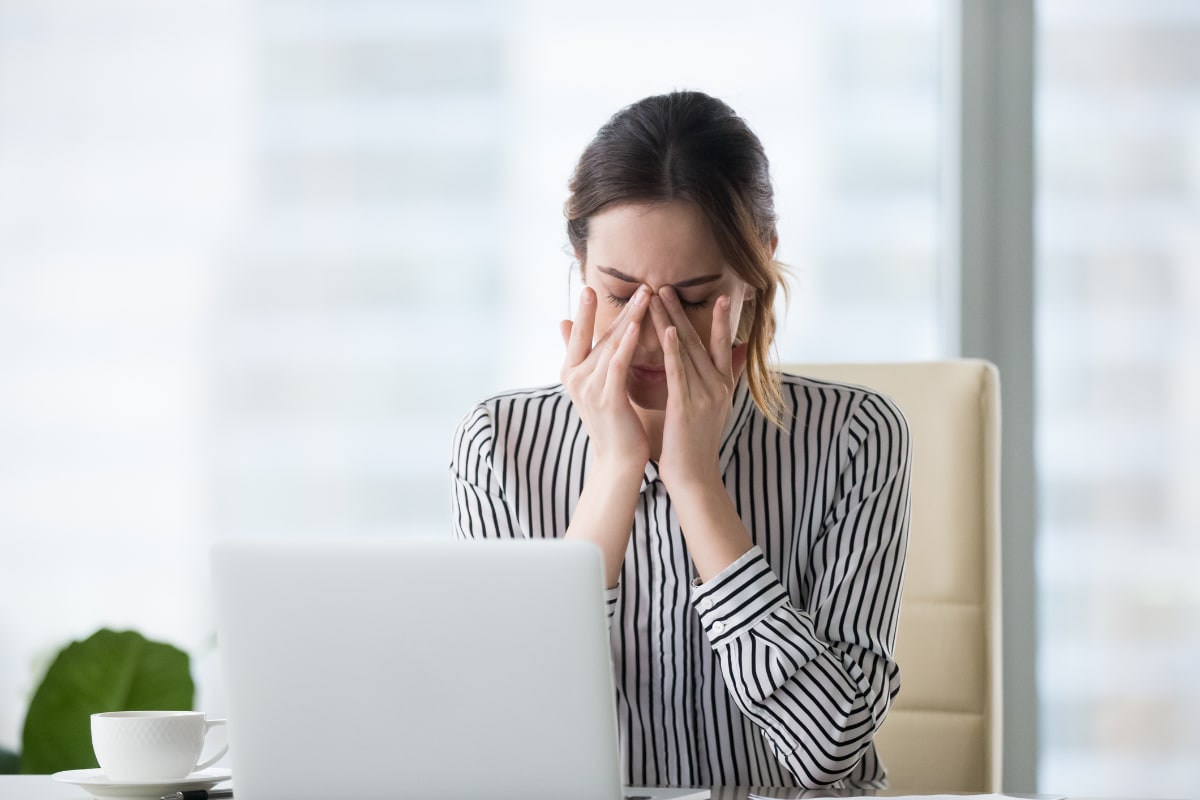
Long lashes are a beauty trend that doesn’t seem to fade. And thanks to eyelash extensions, getting that wide-eyed, dramatic look is easier than ever. But here’s the thing: just because lash extensions are popular doesn’t mean they’re risk-free.
So, are eyelash extensions safe for your eyes? The short answer: they can be—but only if applied and maintained properly. The long answer involves understanding the risks, knowing how to minimize them, and deciding if they’re right for you.
Let’s break it all down.
What Can Go Wrong With Eyelash Extensions?
Eyelash extensions might look harmless, but applying anything so close to your eyes does come with risks. You could experience allergic reactions, infections, swelling, or even lose your natural lashes.
Some of these issues are temporary. Others could cause lasting damage. Knowing what can go wrong is the first step in protecting your eye health.
- Allergic reactions
- Eye infections
- Eyelid injuries
- Irritation or inflammation
- Lash loss or thinning
What Causes These Risks?
The extensions themselves aren’t always to blame. In most cases, it’s how they’re applied, the materials used, or poor aftercare that triggers trouble.
The glue used to attach lash extensions is often the main issue. Many adhesives contain chemicals like formaldehyde or cyanoacrylate—ingredients that can irritate the skin or eyes. If you’re sensitive, this can cause redness, swelling, and itching.
Hygiene also plays a big role. If tools aren’t properly cleaned or hands aren’t washed before the procedure, bacteria can get near your eye. That raises the risk of infections, especially if you already have sensitive eyes. Add improper technique and long-term wear into the mix, and you could be dealing with lash thinning or eyelid irritation.
How Can You Stay Safe With Lash Extensions?
If you’re set on getting lash extensions, it’s not all bad news. You can take smart steps to lower your risks and protect your eyes.
Start by choosing a reputable salon. Don’t just go with the cheapest or closest place—research first. Look at reviews, before-and-after photos, and visit in person if you can. A clean space is non-negotiable.
It also matters who’s doing your lashes. Make sure your technician is licensed and trained. Ask what glue they use, especially if you have allergies. Don’t skip the patch test—this small step can save you from serious discomfort later. And after your appointment, follow every care instruction carefully.
Who Should Avoid Eyelash Extensions?
Not everyone is a good candidate for lash extensions. If you have certain eye or skin conditions, it’s best to skip them altogether.
Avoid lash extensions if you have:
- Blepharitis (chronic eyelid inflammation)
- Contact dermatitis or known allergies to adhesives
- Dry eye syndrome
- Frequent styes or infections
- Sensitive eyes or a history of allergic reactions to beauty products
People with a history of eye surgery or ongoing eye treatments should also speak to a doctor first. Even if you’ve worn lash extensions in the past, new allergies or sensitivities can develop over time.
Pregnant individuals might also be advised to avoid lash extensions since skin and eye sensitivity can increase during pregnancy. When in doubt, consult an eye care provider before your appointment.
Are There Safer Alternatives?
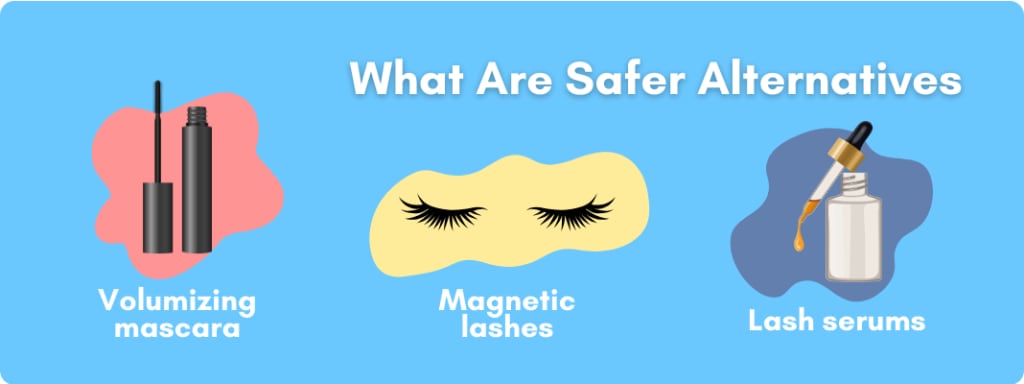
You don’t have to commit to extensions to get fuller-looking lashes. These alternatives give you similar results with less risk:
- Volumizing mascara – A good formula can lift and thicken your lashes without glue or chemicals.
- Magnetic lashes – These stick together using magnets instead of adhesive. They’re reusable and easier on the eyes.
- Lash serums – These nourish your natural lashes and promote growth over time.
You can also combine options. Try using a lash serum daily and mascara on special occasions. For events, magnetic lashes can give you a dramatic look without long-term commitment. These alternatives are especially helpful if you have allergies or want to avoid chemical adhesives altogether.
The best part? They’re easy to remove and less likely to interfere with your eye health.
What Should You Do If Something Goes Wrong?
If you experience pain, swelling, redness, or discharge after getting lash extensions, don’t ignore it. Remove the extensions right away and contact an eye care provider. Infections and allergic reactions can get worse quickly without treatment.
Never try to remove lash extensions at home using random household products. The skin around your eyes is delicate, and one wrong move could do more harm. If the lashes need to come off, go back to the salon or see a professional.
Keep Your Eyes Safe and Stylish
We care about your eye health as much as you care about how you look. While lash extensions can be safe when done right, they’re not without risk. Always weigh the pros and cons—and choose what’s best for your eyes.
Need contacts, eye-safe beauty tips, or stylish glasses? We’ve got you covered.
Shop smart. Shop 1-800-GET-LENS.