Table of Contents
Spending long hours on a laptop, phone, or tablet can sometimes lead to symptoms such as tired eyes, dryness, or blurred vision. This type of discomfort is often referred to as digital eye strain. It is commonly linked to factors such as extended screen use, reduced blinking, glare, and screen setup. Familiarize yourself with what digital eye strain is, what may contribute to it, and where blue light lenses fit in the broader discussion about screen-related eye discomfort.
What Is Digital Eye Strain?
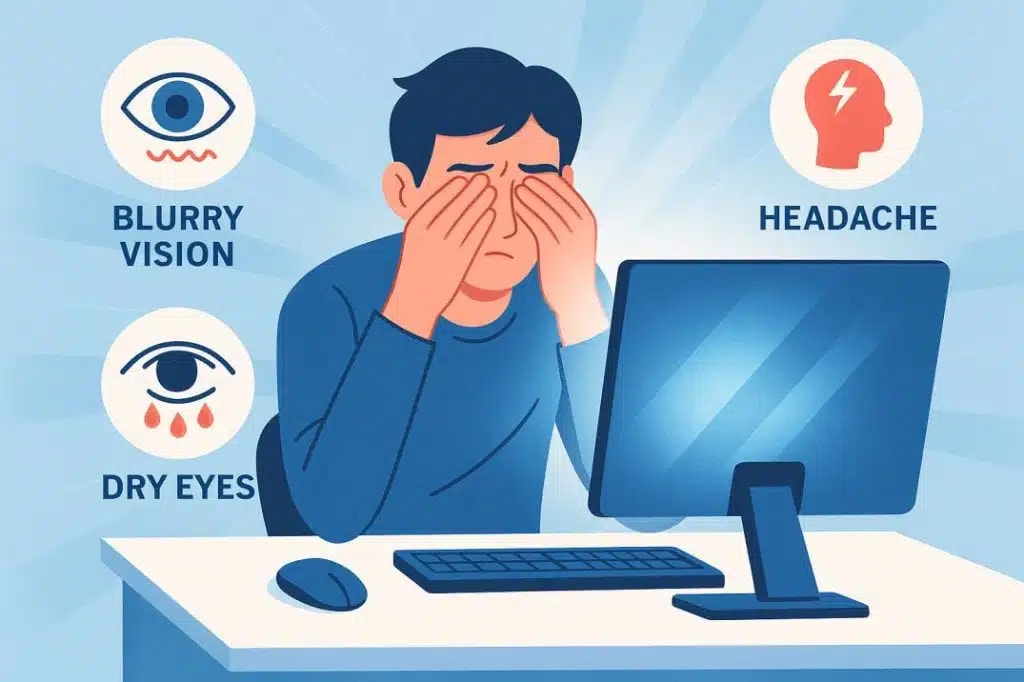
Digital eye strain, or computer eye syndrome, is the term used to refer to a group of eye and vision problems linked to prolonged screen use. Eye doctors define common symptoms, including tired eyes, blurred vision, dry eyes, headaches, and pain in the neck or shoulders after looking at digital devices for long periods.
It can manifest during work, online classes, video gaming, reading on a tablet, or scrolling on your phone before going to bed. The more time your eyes spend locked on these devices, the quicker it is to notice that exhausting feeling.
What Causes Digital Eye Strain?
People tend to blink less when looking at screens, which can leave the eyes dry and irritated. Long periods of close-up focus can also tire the eyes, especially when the task involves reading small text or staring at details for too long.
Glare from bright screens, overhead lights, or window reflections adds more strain, so adjusting brightness and reducing glare is a better first step than blaming blue light alone. Screen setup also plays a part, since a display that is too high, too low, or too close can add neck and shoulder tension on top of eye discomfort.
Common Signs and Symptoms of Digital Eye Strain
- Dry or watery eyes can show up at the same time. The National Eye Institute (NEI) says dry eyes happen when your eyes do not produce enough tears or when the tears fail to work as intended.
- Blurred vision is one of the main signs of digital eye strain, according to the American Optometric Association (AOA). Screen work keeps your eyes locked on close-up tasks for long periods. Some people notice it while looking at the screen during work, while others feel it right after looking away from the screen.
- Headaches are another well-known sign of digital eye strain, especially after long periods of reading, typing, video gaming, or switching between screens without enough breaks.
- A discomfort that makes the eyes feel heavy, tired, or sore can result from staring at digital devices for a long time. The American Academy of Ophthalmology (AAO) notes that this is part of what many people notice first by the end of the day.
- Neck and shoulder pain are among the main symptoms. They occur along with eye discomfort and are only worsened by a poor screen setup.
How Long Does It Take for Digital Eye Strain to Go Away?
For a lot of people, the discomfort goes away after allowing their eyes time to rest from looking at screens or getting some sleep. The symptoms of digital eye strain are usually temporary, though they often return once the eyes are exposed to a lot of screen time again.
If the blur, dryness, or headaches persist after you cut back on screen use and clean up your setup, it is worth booking an eye exam. At that point, the problem may be more than screen habits alone.
Can Digital Eye Strain Be Corrected?
Yes, though the fix depends on what is causing it. A person dealing with glare needs a different fix than someone dealing with dry eye, small text, long hours without breaks, or a prescription that no longer feels right. Some experts say a full eye exam can look at the visual demands behind computer vision syndrome, while others point to screen position, lighting, and computer eyewear as part of the discussion.
The goal is not to really put a cure on screen use. It is to make screen time less hard on the eyes by addressing the real cause. For some people, that means better breaks and less glare. For others, it means dry eye care, a prescription update, or glasses specifically for screen work.
Can Digital Eye Strain Cause Permanent Damage?
It is currently unknown if digital eye strain itself can cause permanent eye damage. Studies don’t show any scientific evidence that the light from computer screens damages the eyes, even though screen use can still leave them tired, dry, blurry, or sore.
But this doesn’t mean that recurring symptoms should not be brushed off. Dry eye, a prescription issue, or another vision problem can sit underneath what feels like simply screen fatigue, which is one reason an eye exam matters when the same problems keep returning.
Why Digital Eye Strain Feels More Noticeable in 2026
Screens Fill More of the Day
Screens now take up a bigger part of everyday life. Work, school, shopping, reading, streaming, and messaging all happen on a phone, tablet, or computer. As a result, the eyes spend more time focusing and less time resting.
Switching Between Devices Adds Up
It is common for people to move from one screen to another without taking breaks. A laptop in the morning, a phone throughout the day, a TV at night, and then a phone again before bed can add up to hours of close-up viewing. Over time, that pattern leaves the eyes feeling worn out.
Late-Night Screen Use Makes It Worse
Screen use at night adds another layer. Bright screens late in the evening get more attention because of how they relate to sleep, especially when they are used close to bedtime. So when eye strain feels worse at night, it is often tied to screen brightness, timing, and the total amount of screen time throughout the day.
How To Reduce Digital Eye Strain
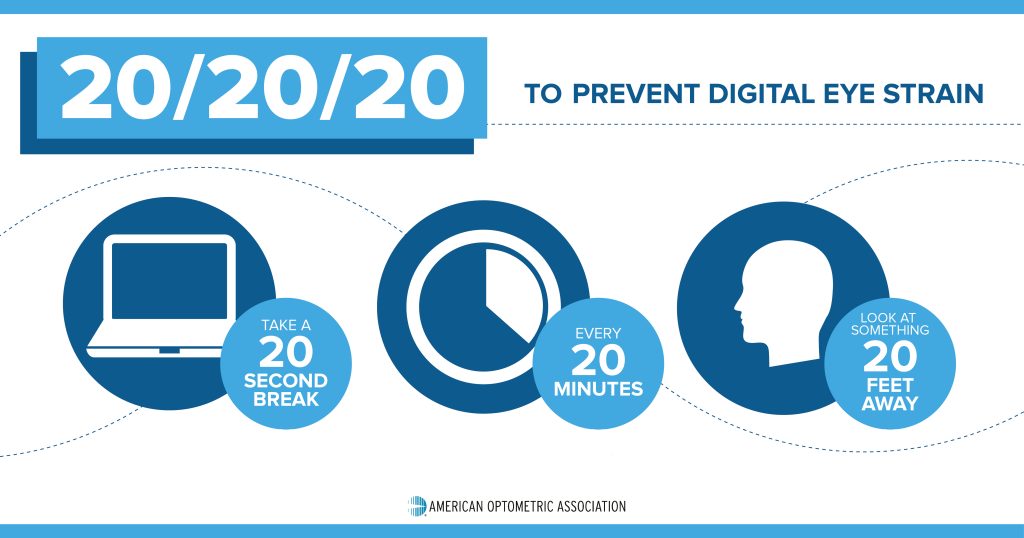
- Follow the 20-20-20 rule for digital eye strain for digital eye strain by looking at something about 20 feet away for 20 seconds every 20 minutes. This is a simple way to give your eyes a short break from close-up screen work.
- Make the screen easier to read by increasing text size, adjusting brightness to match the room, and raising contrast if needed. Screen brightness and contrast can affect eye comfort during computer use.
- Cut glare where you can by moving the screen away from direct window light, shifting a lamp, or changing the display angle. Reducing glare before assuming blue light is the main issue.
- Dry eyes can happen when your eyes do not make enough tears or when the tears do not work as they should. Blink more often and slowly to ease some of the dryness and irritation. There are also eye drops for eye strain that can be used to help hydrate tired eyes.
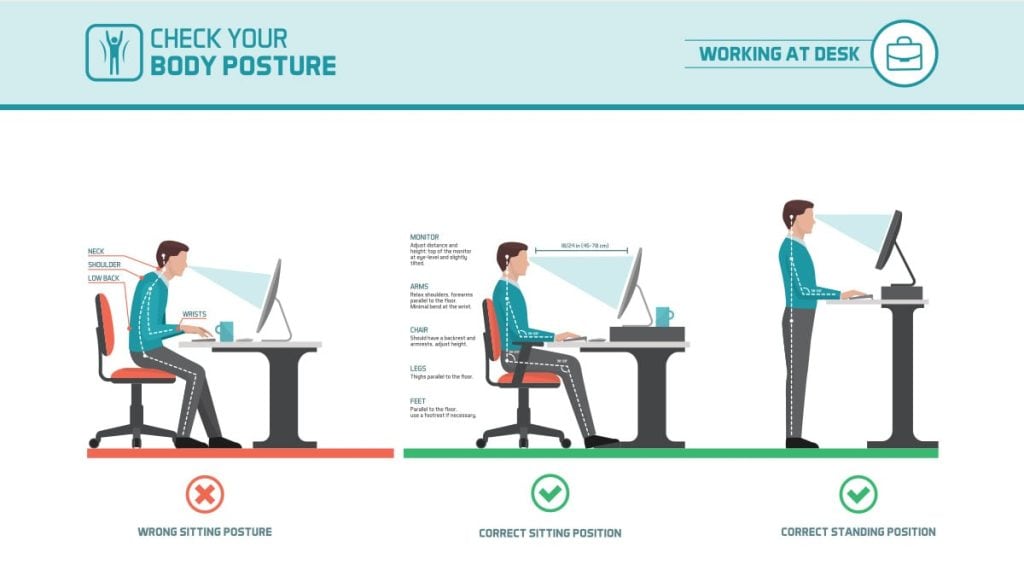
- Ease tension in your body by relaxing your shoulders and neck, and checking whether your screen or room lighting feels uncomfortable. Sometimes the problem is not the screen itself, but rather your posture.
These practices matter because they deal with the underlying problems that manifest first during prolonged screen use. Once you see the basic issues, it becomes easier to understand why blue light gets so much attention and where it fits in.
What Blue Light Has To Do With Digital Eye Strain
Blue light is a type of visible light, and the sun is the biggest source of it. Phones, laptops, tablets, computer monitors, and LED lights also give off blue light, which is why it’s brought up in conversations about screen use.
Still, experts say the discomfort people feel during long screen time is not explained by blue light alone. Screen fatigue is more closely tied to how digital devices are used, especially long periods of near focus, less blinking, dry eyes, glare, and a screen setup that puts extra stress on the eyes and body.
If your eyes sting, water, blur, or feel heavy after hours on a screen, the problem may have more to do with dryness, brightness, reflections, tiny text, or failure to take breaks than with blue light itself. Blue light still gets attention for another reason, which is sleep. It is worth noting that blue light matters more in the context of evening screen use, since bright screens late at night can interfere with the body’s normal sleep timing.
Do Blue Light Lenses Help With Screen-Related Eye Discomfort?
No. Blue light lenses are not a guaranteed fix for digital eye strain. Studies have not shown clear relief from blue light-blocking glasses for screen-related eye problems, and a 2023 Cochrane review found little to no difference between blue light glasses and regular glasses. According to an expert from AAO, “blue light glasses are not usually the first thing eye doctors point to for screen discomfort.”
That does not mean they are useless, though they make more sense as an extra layer of protection. Screen discomfort is associated more closely with extended periods of near work, glare, reduced blinking, and poor screen habits, and it’s also worth noting that computer glasses for screen comfort are different from blue light-blocking glasses. If glare, tiny text, screen distance, or an outdated prescription are the real issues, prioritize the basics.
Blue Light Lenses and Sleep
Blue light comes up more often in sleep conversations than in eye strain ones. Bright screens late at night can affect sleep, putting the emphasis on screen timing as a bigger issue instead of eyewear alone.
That is why bedtime screen habits matter so much. A bright phone or tablet used in a dark room keeps your eyes and brain on alert later into the evening. Lowering screen brightness, switching on night mode, and putting screens away earlier are direct ways to get rid of that late-night light exposure.
Blue light lenses still come into the discussion here, though the expectation should stay modest. Sleep can be improved without special eyeglasses, which is a useful reminder that lenses are not the first place to look if the real issue is bedtime screen use.
Who Might Find Blue Light Lenses Helpful?
People who spend long hours in front of screens are the group most likely to be curious about blue light lenses. Office workers, students, video gamers, and people who use screens late at night are all dealing with the same basic issue, which is a lot of screen time.
Still, it helps to keep the main problem in view. If dryness is the biggest issue, then the interventions should focus on dry eye care. If glare is the issue, then the interventions should focus on glare. If the prescription is off, that needs to be addressed.
Common Mistakes People Make That Worsen Digital Eye Strain
Giving Blue Light All the Blame
Blue light gets a lot of attention, but it is not the only reason screen use feels hard on the eyes. Eye strain is also associated with long hours of near work, less blinking, glare, and poor screen habits. So if your eyes still feel tired or blurry, the real issue may be screen time, dryness, or your setup.
Thinking Watery Eyes Mean Your Eyes Are Fine
Watery eyes can be misleading. They do not always mean that your eyes are well-lubricated. Sometimes they are part of the same dryness problem that makes screen time feel more uncomfortable.
Calling a Phone Check a Break
Looking at your phone is still considered screen time. Your eyes are still doing close-up work, so they do not get much break time. A real break means looking away from screens and letting your eyes shift focus.
Missing a Prescription Change
The problem is not just screen use at times. If your glasses or contact lens prescription is no longer right, screen work can feel more tiring than it should. If blur, headaches, or eye fatigue keep coming back, an eye exam is worth it.
When To See an Eye Doctor
If the symptoms persist after changing your screen habits, it is a good idea to book an eye exam with an optometrist. The same goes for blurred vision that shows up often, headaches that feel stronger than simple eye strain, or dryness that keeps persisting even after breaks, blinking, and screen adjustments. Digital eye strain is diagnosed through a full eye exam, and blurred vision, red or painful eyes, or trouble seeing in focus are all reasons to see an eye doctor.
This matters because screen discomfort is not always just screen discomfort. Dry eyes can cause burning, irritation, watering, and blurred vision, and an outdated glasses or contact lens prescription can add another layer of strain during screen use. It is worth noting that an optometrist can check for dry eyes and other problems when symptoms persist, which is one reason it helps not to assume that every headache is caused by too much screen time alone.
Simple Habits That Can Help Every Day
- Take screen breaks from time to time and give your eyes a short rest from close-up work.
- Do slow and full blinks during the day to help the surface of the eyes stay comfortable and to address dry and irritated eyes.
- Cut glare by moving the screen, shifting a lamp, or closing a curtain to keep your eyes from being forced to work harder.
- Sit about an arm’s length from the screen and place it so you are looking slightly downward to make it easier on your eyes.
- Treat blue light lenses as an add-on, not the main fix. Basic eye care matters more for daily comfort.
Frequently Asked Questions
What helps reduce eye strain from screens?
Short breaks, the 20-20-20 rule, better lighting, less glare, fuller blinking, and a more comfortable screen setup are all common ways to cut screen-related strain and discomfort.
Do blue light lenses help with digital eye strain?
Some people like using them, but studies conducted by the AAO don’t show any relation between blue light lenses and relief from digital eye strain. In fact, they do not recommend blue light-blocking glasses as a general fix for eye strain.
Can screens damage your eyes?
Screen use can leave your eyes tired, dry, or blurry, though the main concern is discomfort rather than permanent damage from blue light exposure during normal device use.
Why do my eyes feel dry after screen use?
People tend to blink less while staring at screens, and that can dry out the surface of the eyes. Dry eyes can also lead to burning, irritation, and blurred vision.
Are blue light lenses more helpful at night?
Blue light gets more attention around sleep and evening screen use, so some people prefer using blue light lenses at night rather than during the day.
When should you see an eye doctor?
If screen-related discomfort persists, worsens, or is accompanied by frequent blurred vision or headaches, getting yourself checked by an eye doctor is advisable. An outdated prescription or dry eye could be one of the factors.
Disclaimer: This content is meant for general information only and should not replace medical advice, diagnosis, or treatment from a qualified eye care professional.
References
- Digital Devices and Your Eyes. American Academy of Ophthalmology. https://www.aao.org/eye-health/tips-prevention/digital-devices-your-eyes. Accessed April 8, 2026.
- Computers, Digital Devices, and Eye Strain. American Academy of Ophthalmology. https://www.aao.org/eye-health/tips-prevention/computer-usage. Accessed April 8, 2026.
- Are Blue Light-Blocking Glasses Worth It? American Academy of Ophthalmology. https://www.aao.org/eye-health/tips-prevention/are-computer-glasses-worth-it. Accessed April 8, 2026.
- Eye Strain and Sleepy Eyes: How to Prevent Eye Discomfort. American Academy of Ophthalmology. https://www.aao.org/eye-health/diseases/what-is-eye-strain. Accessed April 8, 2026.
- Computer Vision Syndrome. American Optometric Association. https://www.aoa.org/healthy-eyes/eye-and-vision-conditions/computer-vision-syndrome. Accessed April 8, 2026.
- Dry Eye. National Eye Institute, National Institutes of Health. https://www.nei.nih.gov/eye-health-information/eye-conditions-and-diseases/dry-eye. Accessed April 8, 2026.
- Testing for Dry Eye. National Eye Institute, National Institutes of Health. https://www.nei.nih.gov/eye-health-information/eye-conditions-and-diseases/dry-eye/testing-dry-eye. Accessed April 8, 2026.
- Blue-light filtering spectacle lenses for visual performance, sleep, and macular health in adults. Cochrane Database of Systematic Reviews. 2023. DOI: 10.1002/14651858.CD013244.pub2. Accessed April 8, 2026.