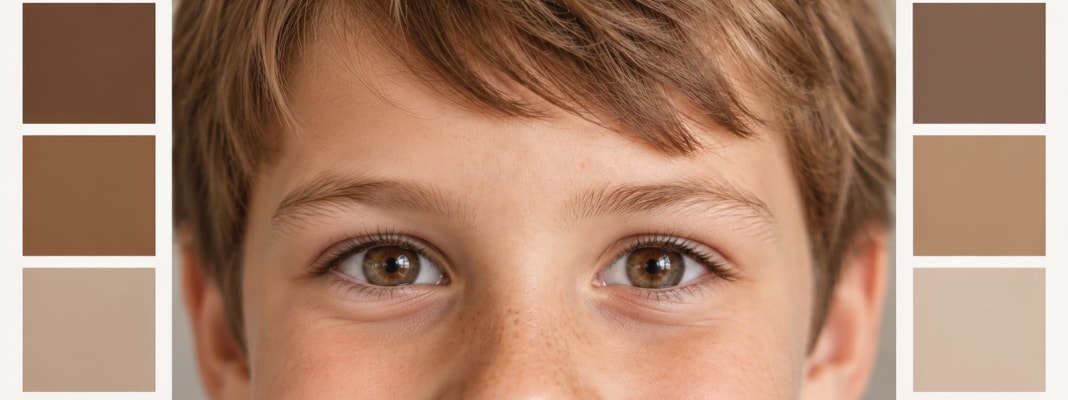
Your brown eyes may look honey-gold in bright sunlight, deep chocolate indoors, or nearly black in dim lighting. The different shades of brown eyes cover a surprisingly wide spectrum, and brown is the most common eye color worldwide, accounting for roughly 70% to 79% of the global population in commonly cited estimates.
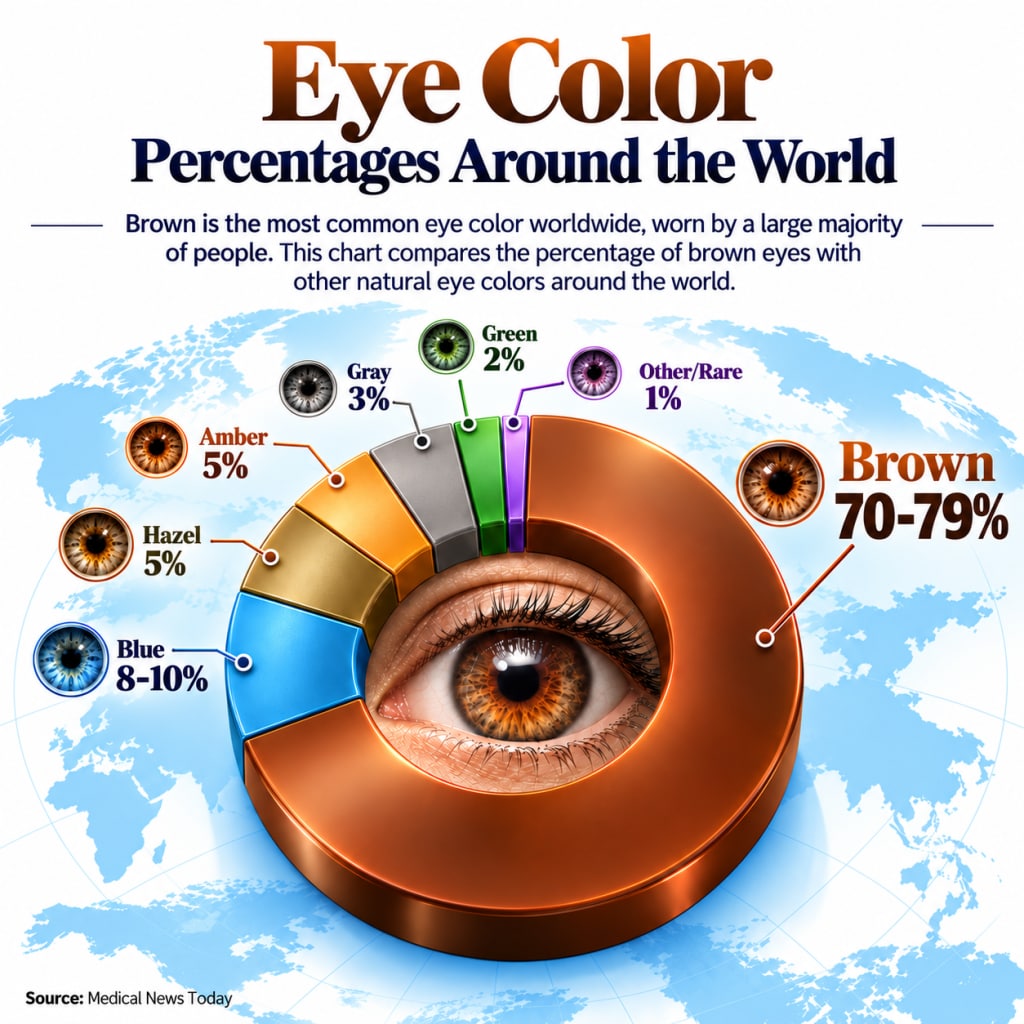
Even with so many brown-eyed people, your iris can still look distinctly your own. Differences in melanin, genetics, iris structure, and lighting help create the light, golden, reddish, chocolate, and dark-brown tones you see, while contact lenses can temporarily change or enhance how those natural shades appear without altering your actual eye color.
How Many Shades of Brown Eyes Are There?
There is no official medical number of shades of brown eyes. Brown eye color ranges continuously from light to very dark, so names such as honey, cognac, chestnut, russet, chocolate, cocoa, and black-brown are useful ways to describe appearance rather than standardized medical classifications. Cleveland Clinic notes that experts do not always use the same eye-color categories and recognizes brown as a color that can range from light to dark.
That means there is no single list containing all types of brown eyes. You may describe the same iris as light golden brown or honey brown depending on its dominant color, undertones, and lighting. Common shade labels found across brown-eye references include honey, cognac, chestnut, russet, chocolate, and black-brown. If you want to enhance rather than permanently change your natural shade, brown contact lenses can offer a temporary cosmetic effect when prescribed for you.
| Shade Label | Typical Appearance | Common Undertones | Confused With |
|---|---|---|---|
| Light Brown Eyes | Pale to medium clear brown | Tan, caramel, gold | Honey, hazel |
| Honey or Golden Brown Eyes | Light brown with noticeable warmth | Gold, yellow, caramel | Amber |
| Cognac Brown | Warm light-to-medium brown | Copper, rust, red-gold | Amber, chestnut |
| Chestnut or Russet Brown | Medium reddish brown | Red, copper, orange | Cognac, amber |
| Chocolate or Cocoa Brown | Rich medium-to-dark brown | Warm or neutral brown | Dark brown |
| Dark or Black-Brown Eyes | Very deep brown that can appear nearly black | Deep brown | Black |
Note: These shade names describe how an iris looks rather than medically defined categories. Natural brown eye shades can fall between two descriptions or show several visible tones, so your eyes may not fit neatly into just one label.
Curious about what makes brown eyes different beyond their shade? Discover more interesting facts about brown eyes, including their pigmentation, genetics, and unique iris patterns.
What Are the Main Shades of Brown Eyes?
The shades of brown eyes range from light, warm brown to very deep brown that can look almost black. Names such as honey, cognac, chestnut, russet, chocolate, and cocoa are useful visual descriptions rather than fixed biological categories, so some types of brown eyes naturally fall between two labels. These variations are closely connected to the pigment and structure of the iris, which you can explore further in our guide to eye anatomy.
Light Brown Eyes
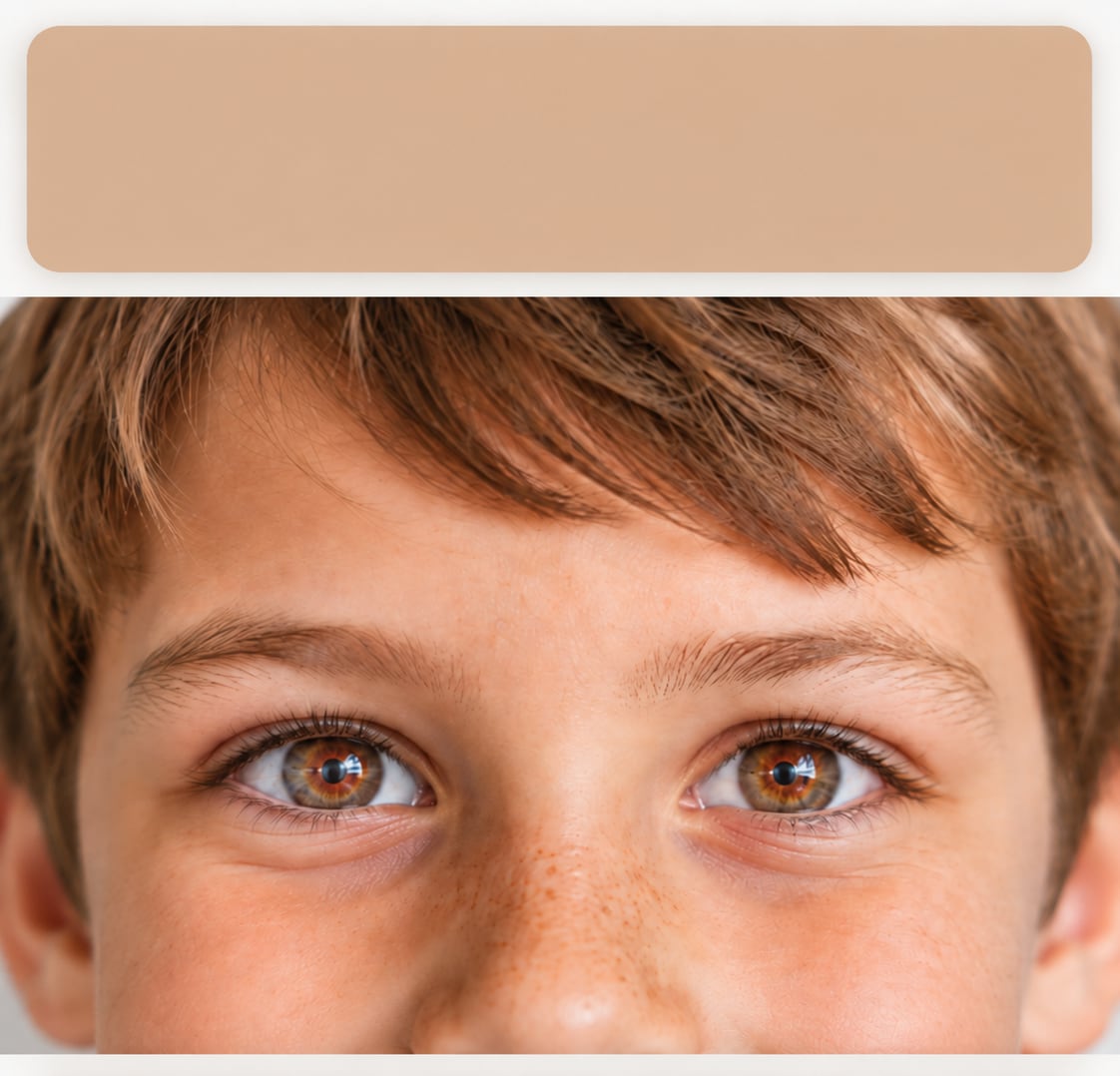
Light brown eyes have a predominantly brown iris with a lighter tan, caramel, or subtle golden appearance. They may look brighter in strong natural light while still remaining clearly brown overall. Unlike many hazel eyes, the iris does not usually show an obvious mixture of green and brown across large areas.
Honey and Golden Brown Eyes
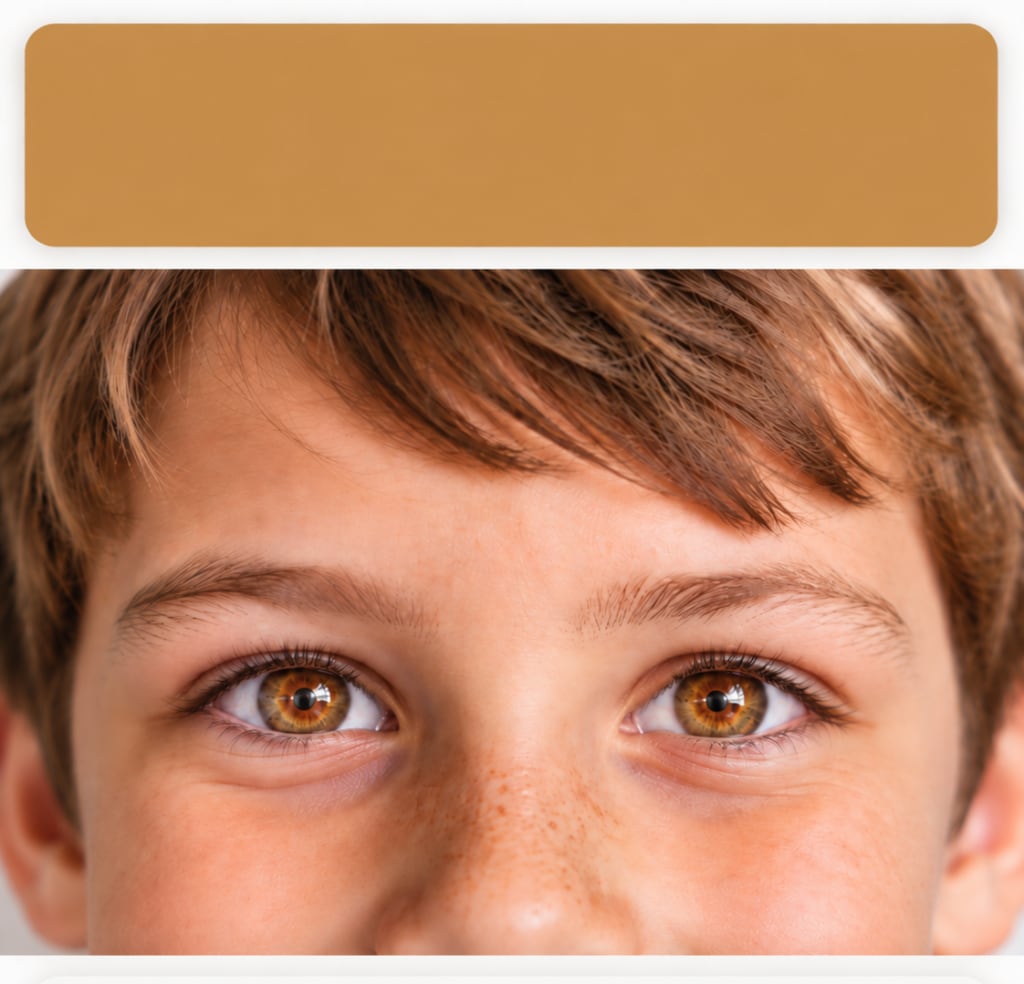
Honey brown eyes and golden brown eyes have a light-brown base with noticeable gold, yellow, or caramel warmth. Those undertones may become more visible in bright light, giving the iris a warmer appearance. “Honey” and “golden brown” are descriptive shade names rather than separate medically defined eye colors.
Cognac Brown Eyes
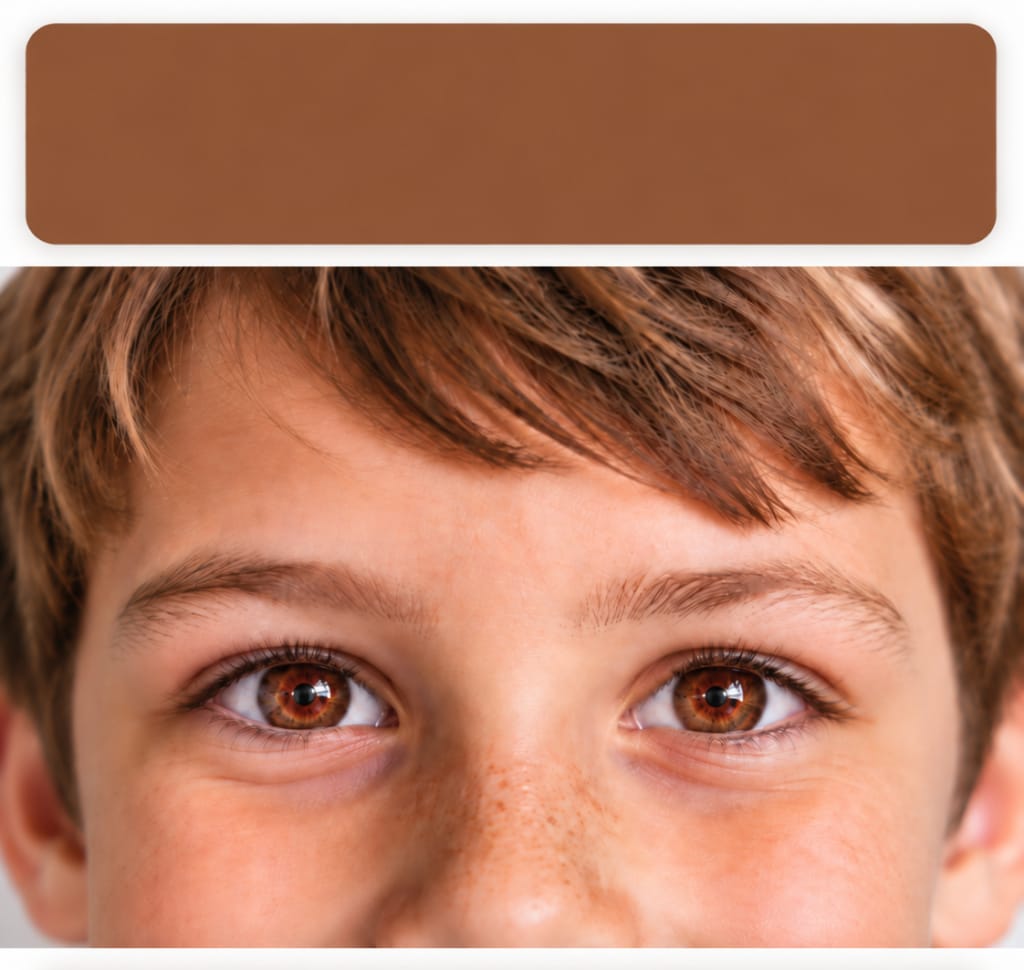
Cognac brown describes a warm light-to-medium brown with copper, rust, or reddish undertones. It generally appears deeper and redder than honey brown but lighter than many chestnut shades. The boundary between cognac, chestnut, and amber can be subjective because natural brown eye shades exist on a continuum.
Chestnut and Russet Brown Eyes
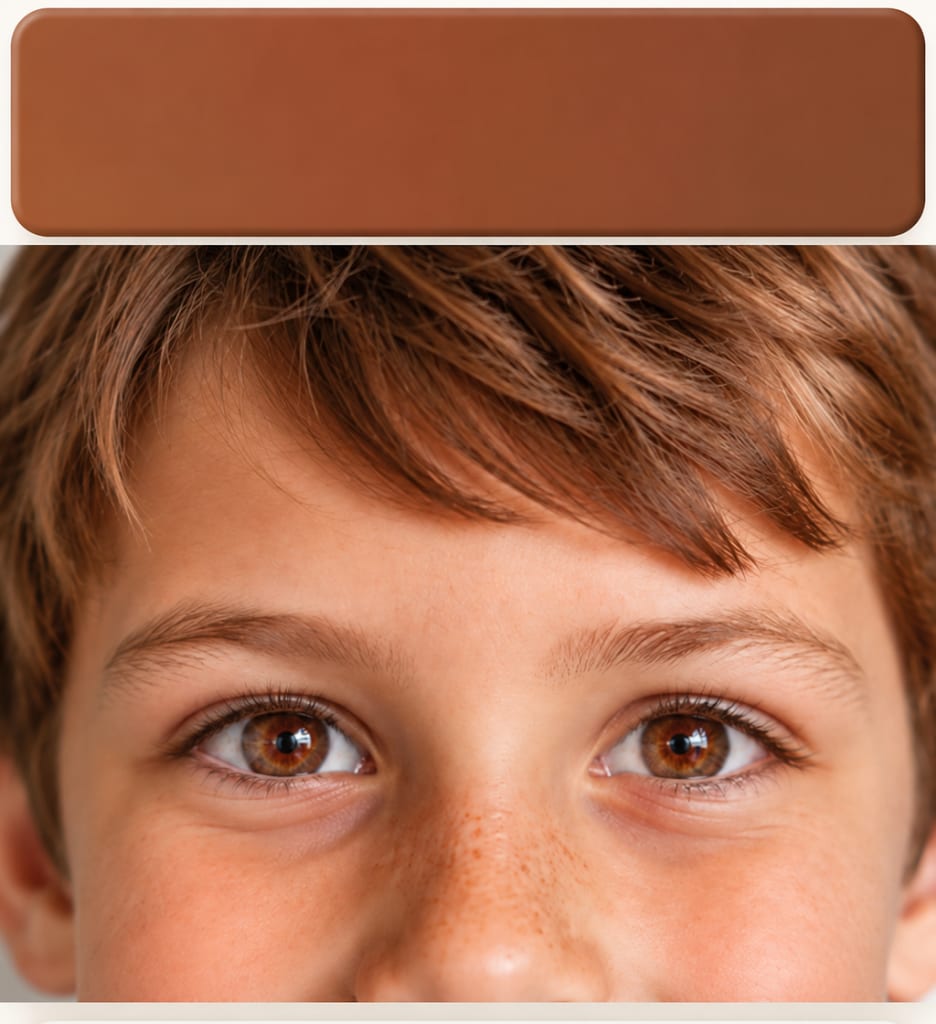
Chestnut brown eyes usually describe a medium brown with noticeable red, copper, or golden warmth. Russet brown tends to have a stronger reddish-orange cast, which can make it appear warmer than chestnut. These terms describe the visible color rather than specific pigment levels or medically recognized eye-color classes.
Chocolate and Cocoa Brown Eyes
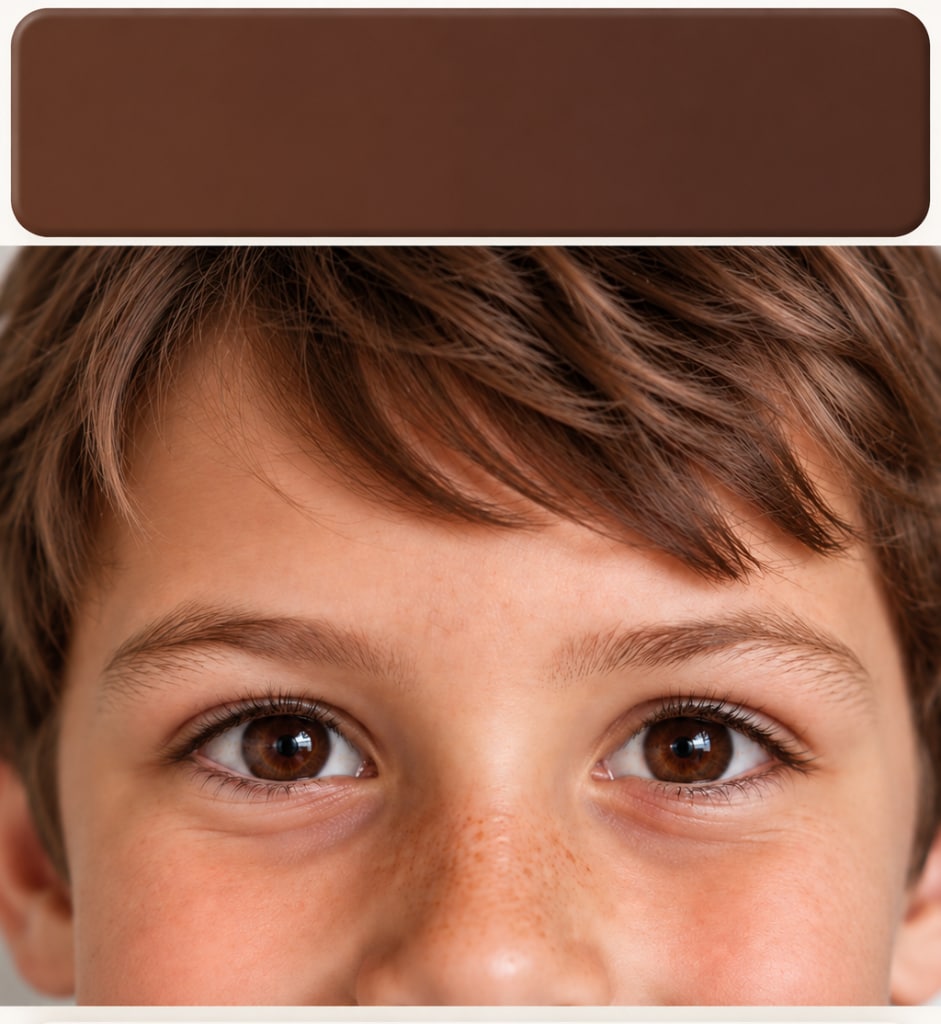
Chocolate brown eyes and cocoa brown eyes generally fall in the rich medium-to-dark part of the brown spectrum. Chocolate is often used for a deeper, more saturated brown, while cocoa may describe a slightly softer or lighter appearance. Both names refer mainly to the depth and warmth of the brown eye color, not separate biological categories.
Dark Brown and Black-Brown Eyes
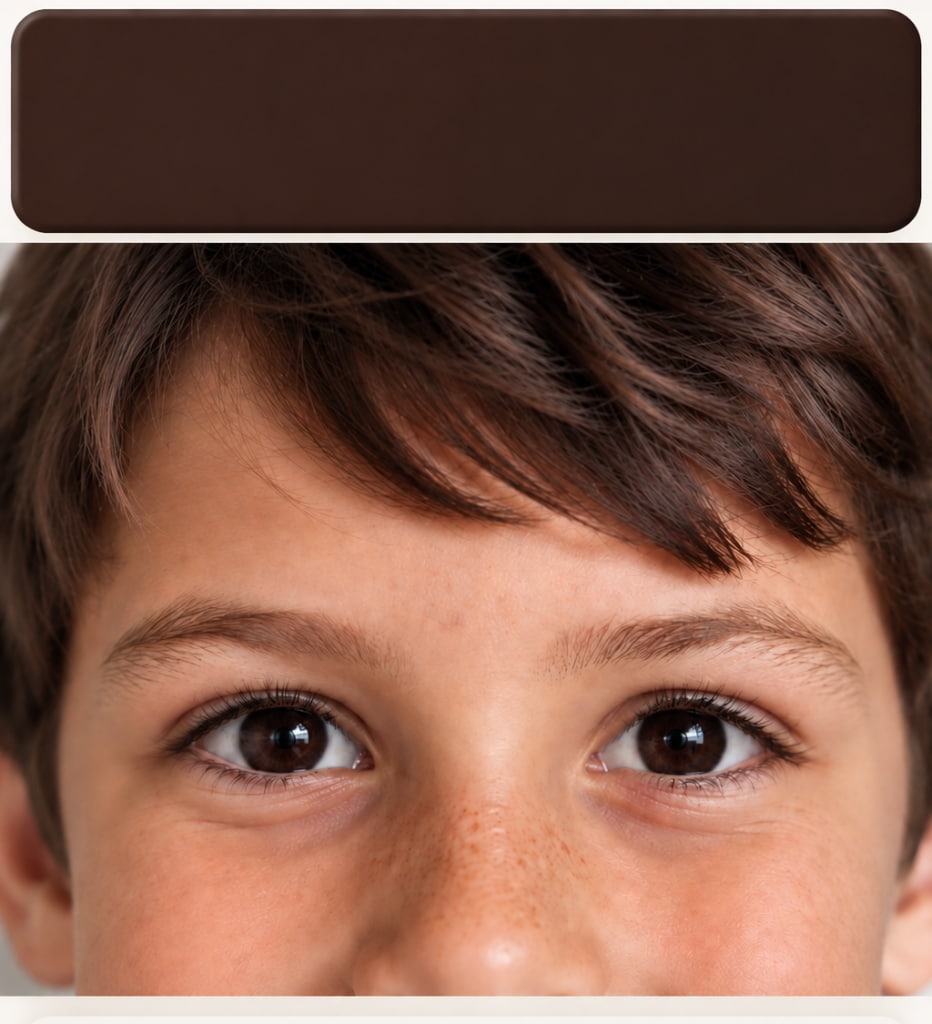
Dark brown eyes sit at the deepest end of the brown spectrum and contain substantial melanin in the iris. In very dark shades, it can be difficult to distinguish the edge of the iris from the pupil, especially in low light, which can make the eyes appear almost black. “Black-brown” therefore describes very deep brown eyes rather than a naturally black iris.
Brown Eyes With Mixed Flecks or Rings
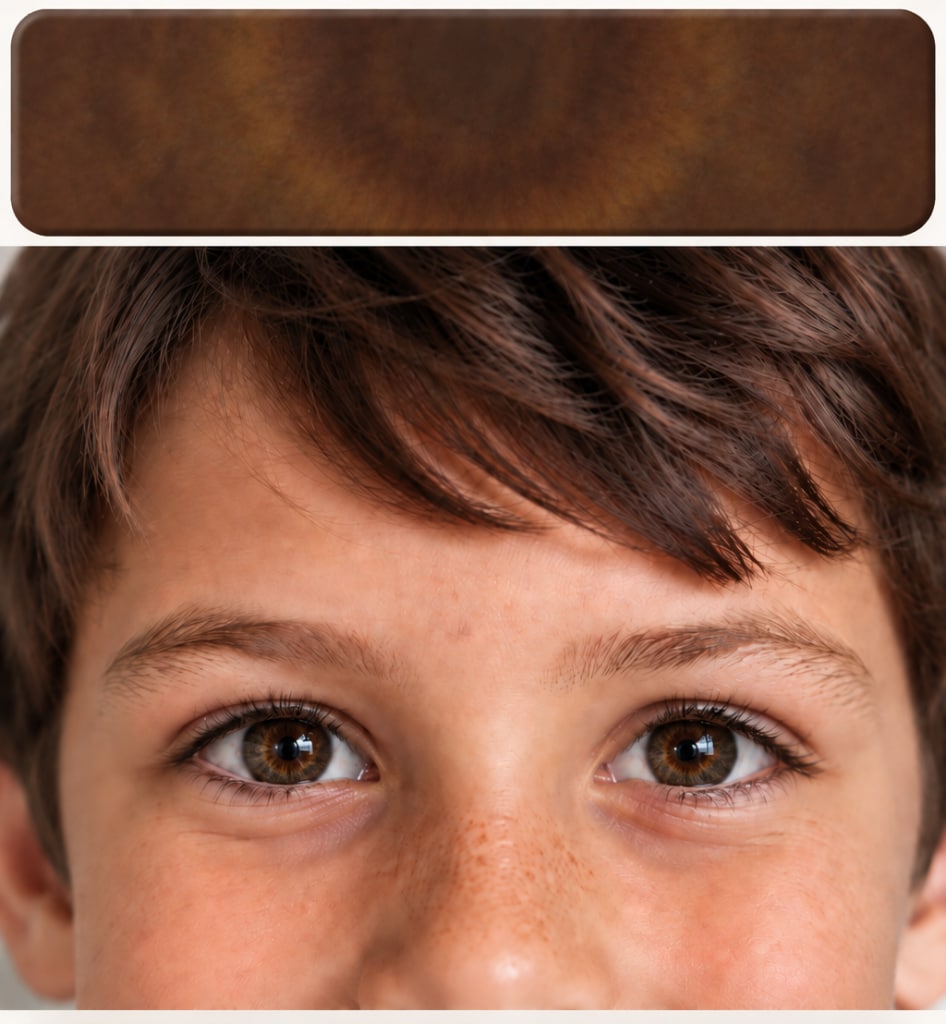
Brown eyes can also contain lighter flecks, darker areas, or visible gold, green, or grayish patterns. These variations can make a simple shade label harder to choose and may resemble hazel eyes or, in some cases, central heterochromia, where a differently colored inner ring surrounds the pupil. A mixed pattern does not automatically mean your eyes belong to a separate brown eye color category.
If you prefer to experiment with a temporary color effect rather than your natural shade, daily coloured contact lenses may be an option if they match your prescription and are professionally fitted.
Why Do Brown Eyes Come in Different Shades?
Brown eyes come in different shades mainly because the amount and distribution of melanin in the iris varies from person to person. People with brown eyes generally have more iris melanin than people with blue or green eyes, but genetics and differences in iris structure help determine whether your eyes appear light, medium, golden, or very dark brown. These natural differences come from the iris itself, while cosmetic contact lenses can only temporarily change how the eye appears.
Melanin in the Iris
The iris is the colored ring around your pupil, and melanin is the pigment responsible for much of your brown eye color. More melanin in the iris generally creates a deeper brown appearance, while lower amounts in the front layers can contribute to a lighter shade. Differences in how that pigment is distributed can also help explain why two people with brown eyes may have noticeably different tones.
Genetics Help Set Your Eye Color
Your brown eye color genetics involve several genes rather than one simple “brown-eye gene.” OCA2 and HERC2 play major roles in controlling iris pigmentation, while other genes also influence melanin production, transport, and storage. Their combined effects help create the broad range of natural eye colors and shades seen from person to person.
Iris Structure Adds Individual Variation
Pigment is only part of what makes your eyes look unique. Small differences in iris structure and pigment patterns can affect how light interacts with the eye, creating visible rings, flecks, darker areas, and subtle shifts in tone. That is why two people can both have brown eyes yet show very different patterns and shades of brown.
Are Hazel and Amber Eyes Shades of Brown?
Hazel and amber can look similar to light brown eyes, but they are commonly treated as separate eye-color categories. Hazel usually combines visible brown, green, and gold tones, while amber tends to look more uniformly golden, yellow-brown, or copper; brown eyes remain predominantly brown even when they have warm or golden undertones. Classification can vary, so some sources may group certain amber shades with brown.
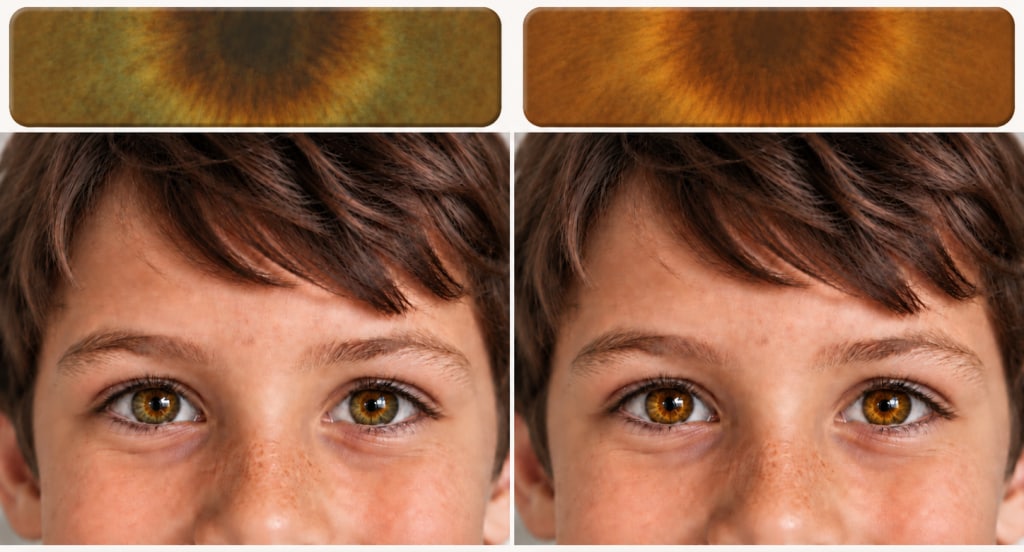
If you like the brown-and-gold appearance associated with hazel, hazel contact lenses can create a temporary color effect when prescribed for your eyes.
Here is a quick way to compare hazel eyes vs brown eyes and amber eyes vs brown eyes:
| Eye Color | Typical Appearance | Pattern | Main Clue |
|---|---|---|---|
| Light Brown | Predominantly light or golden brown | Mostly brown throughout | Brown remains dominant |
| Hazel | Brown mixed visibly with green and/or gold | Often multicolored | Color mixture is noticeable |
| Amber | Golden-yellow to copper | Usually more uniform | Gold or copper dominates |
Note: Natural eye colors do not always fit neatly into one category. Lighting, iris patterns, and subtle color variation can make a light brown eye resemble hazel or amber, so these descriptions are useful visual guides rather than strict medical classifications.
How Can You Tell What Shade of Brown Eyes You Have?
You can get a good idea of your brown eye color by looking at the overall iris first, then noting its depth and undertones. Because labels such as honey, chestnut, or chocolate are descriptive rather than standardized medical categories, think of a brown eye color chart as a visual reference rather than an exact classification.
- Check your eyes in indirect natural daylight, since dim rooms, colored lighting, flash, and photo filters can change how the color appears.
- Look for the dominant color across most of the iris before focusing on small flecks, rings, or the darker outer edge.
- Decide whether your overall shade looks light brown, medium brown, deep brown, or nearly black.
- Then note warmer or mixed tones such as gold, caramel, copper, red, or green to find the closest descriptive shade.
Your eyes do not need to fit perfectly into one name. Honey brown eyes and golden brown eyes, for example, can overlap in appearance, and natural irises can contain several shades and patterns at once. Once you have identified your natural shade, options such as ColorBlends contacts can be considered for a temporary color change if prescribed and properly fitted for you.
Why Can Brown Eyes Look Lighter or Darker?
Brown eyes can look lighter or darker without your actual brown eye color changing. Bright light can reveal gold, copper, reddish tones, flecks, and iris patterns that are harder to notice in a dim room, while low light can make dark brown eyes appear even deeper. Your pupils also become smaller in bright light and larger in dim light, changing how much of the colored iris is visible.
Photos can add another layer of variation. Flash, exposure, white balance, filters, and surrounding colors can make the same eyes look warmer, lighter, or darker from one image to another, so a photograph may not perfectly match what you see in a mirror.
Makeup and clothing can also emphasize colors already present in your iris. Gold, bronze, green, or other surrounding shades may make existing warm or contrasting tones stand out, but they do not change the melanin or natural pigmentation of your eyes. Similarly, Air Optix colored contact lenses may temporarily change how your eyes look when prescribed, but they do not alter your natural iris pigmentation.
Does having lighter or darker eyes change more than their appearance? Learn how eye color can impact your vision and what iris pigmentation may mean for the way your eyes respond to light.
Can Colored Contacts Change the Look of Brown Eyes?
Yes. Colored contacts for brown eyes can temporarily enhance your natural shade or create a more noticeable color change. The final result depends on your natural iris color, the lens tint and pattern, how opaque the design is, and the lighting around you, so the same lens may look different from one wearer to another. If you are comparing shade options, color contact lenses online can help you explore available colors that match your current prescription.
More translucent enhancement tints allow more of your natural iris to show through, while opaque designs provide stronger coverage and can create a more visible change on dark brown eyes. In the U.S., all colored and decorative contact lenses, including lenses with no vision correction, are prescription medical devices and should be properly fitted by an eye doctor.
Thinking about enhancing your brown eyes or trying a completely different shade? Before choosing a pair, learn how to wear colored contacts safely and why even cosmetic lenses require a prescription.
Can Brown Eyes Change Color Over Time?
Yes, brown eyes can change color during early childhood as iris pigmentation develops, but a noticeable color change later in life is different from your eyes simply looking lighter or darker under different lighting. Once eye color is established, major natural changes are less common, although certain medications, injuries, and medical conditions can alter the appearance or pigmentation of the iris.
If your brown eyes suddenly become lighter or darker, or one eye develops a new color difference, do not assume that you have simply developed a different shade of brown. A new or persistent change is more important to have evaluated if it follows an eye injury or occurs with pain, redness, or changes in vision.
An optometrist or ophthalmologist can determine whether the change is a harmless variation in appearance or something that needs further evaluation. Lighting and photography can make brown eye shades look different from day to day, but they do not by themselves change the amount of pigment in your iris.
If your eyes are healthy and you only want a temporary cosmetic color change, you can ask your eye care professional whether options such as ordering Alcon colored contact lenses are appropriate for your prescription.
What to Remember About Brown Eye Shades
Brown eyes span a wide spectrum, from light brown eyes with golden or caramel tones to dark brown eyes that can appear almost black. Labels such as honey, cognac, chestnut, russet, cocoa, and chocolate are useful descriptions of brown eye shades, but they are not fixed medical classifications. Your natural brown eye color reflects differences in melanin, genetics, iris structure, and the way light interacts with your eyes. If your eye color truly changes rather than simply looking different under another light, an optometrist or ophthalmologist can check whether the change needs evaluation.
Interested in enhancing your natural brown shade or trying a different eye color with lenses prescribed for you? You can explore discount colored contact lenses that match your current prescription, and ask your eye care professional which colored-lens options are appropriate for your eyes.
Learn More About The Shades of Brown Eyes
Get clear answers to common questions about brown eye shades, genetics, color variations, photography, and changes in eye color.
Can dark brown eyes look black?
Yes, very dark brown eyes can appear black, especially in dim lighting. Dark brown irises contain substantial melanin, and in the deepest shades, the boundary between the iris and pupil can be difficult to see. “Black eyes” is therefore usually a description of extremely dark brown eyes rather than a standard natural eye-color category.
Can brown eyes have green or gold flecks?
Yes, brown eyes can contain visible gold, green, lighter brown, or differently colored flecks and rings. Natural iris patterns vary from person to person, so small areas of another color do not automatically make an eye hazel. The dominant color across most of the iris is more useful when describing your overall brown eye color, while larger or more distinct color differences may fall into other eye-color patterns.
Are brown eyes dominant over blue eyes?
The familiar idea that brown eyes are simply dominant over blue eyes is an oversimplification. Eye color is influenced by multiple genes, with OCA2 and HERC2 playing major roles in melanin levels and iris pigmentation. Because several genes interact, brown eye color genetics cannot be predicted accurately using a single dominant-versus-recessive rule.
Can two brown-eyed parents have a child with lighter eyes?
Yes, two brown-eyed parents can have a child with lighter-colored eyes. Each parent contributes multiple genetic variants that influence how much melanin develops in the iris, so a child's eye color does not have to match either parent's exactly. Eye-color inheritance is complex enough that family eye colors alone cannot provide a precise prediction.
Why do my brown eyes look different in photos?
Your brown eyes can look different in photos because lighting, flash, camera exposure, white balance, pupil size, filters, and surrounding colors all affect how the iris appears. Bright conditions may reveal golden, reddish, or lighter details that are less noticeable in dim light, while editing can shift the apparent color even further. A photograph can help you see iris patterns, but it should not be treated as an exact measurement of your natural brown eye color.
Can one brown eye be lighter than the other?
Yes, subtle differences between your eyes can occur naturally. A more noticeable difference in color between the eyes, or distinct colors within one iris, is called heterochromia and can be present from birth or develop later. If the difference is new, especially after an injury or alongside changes in vision, have it evaluated by an eye care professional.
Can a baby's brown eye shade get darker?
Yes, a baby's eye color can become darker as pigmentation develops during early childhood. Cleveland Clinic notes that eye color changes may begin within the first months of life and can continue for several years in some children. If you notice an unusual or sudden color change rather than a gradual developmental change, mention it to your child's pediatrician or eye care professional.
Disclaimer: This content is for general informational purposes only and is not a substitute for professional advice, diagnosis, or treatment.
References
Brown Eye: Types, Benefits, Causes and Facts. Nethradhama Super Speciality Eye Hospital. https://nethradhama.org/blog/brown-eyes/. Date Accessed: October 1, 2026.
6 Types of Brown Eyes: Understanding Their Color & Rarity. New York University. https://shibboleth.idm.home.nyu.edu/types-of-brown-color-eyes/. Date Accessed: October 1, 2026.
Brown Eyes Color Explained: Causes, Shades & Interesting Facts. Dr Basu Eye Care. https://drbasueyecarecentre.com/brown-eyes-color-explained-causes-shades-interesting-facts/.Date Accessed: October 1, 2026.
Brown Eyes: The Different Shades & How to Enhance Them with Makeup. wikiHow. https://www.wikihow.com/Types-of-Brown-Eyes. Date Accessed: October 1, 2026.
Brown Eyes and Hazel Eyes: Why Are They Different? NVISION Eye Centers. https://www.nvisioncenters.com/education/brown-vs-hazel-eyes/. Date Accessed: October 1, 2026.
Eye Colors. Cleveland Clinic. https://my.clevelandclinic.org/health/articles/21576-eye-colors. Date Accessed: October 1, 2026.