Brown contacts look different from one wearer to another. A lens that creates a warm caramel effect on light eyes can appear more subtle on dark brown eyes. Lens opacity, pupil area, outer ring, and your natural iris shade all shape how much brown color shows after the lens settles on the eye.
Brown Contacts for Light Eyes
Light eyes usually show brown lenses with stronger color payoff. Wearers with blue, gray, or green eyes can use honey brown for warmth, medium brown for richer depth, or darker brown for stronger contrast. A blended brown pattern usually creates the most wearable shift for daily style.
Brown Contacts for Dark Eyes
Dark eyes need a brown lens with enough color coverage to show a visible change. Softer brown shades can add warmth, while deeper or more opaque patterns create a clearer shift. Wearers with dark brown eyes should review photos that show the lens on eyes close to their own shade.
Brown Contacts for Everyday Looks
Brown contacts fit wearers who want a color change that works with work outfits, simple makeup, photos, and daily style. These lenses pair well with warm hair colors, neutral eyeshadow, and soft eye definition. A shade near your real eye color usually looks more natural, while a darker ring adds more structure.
Brown Contact Lens Details to Review Before Buying
Color is only one part of choosing brown contacts, and the lens still needs to fit your eyes correctly. Before ordering, compare the prescription details, lens type, material, color opacity, and replacement routine. This helps you avoid choosing a brown shade that looks close but does not match the lens your eye doctor approved.
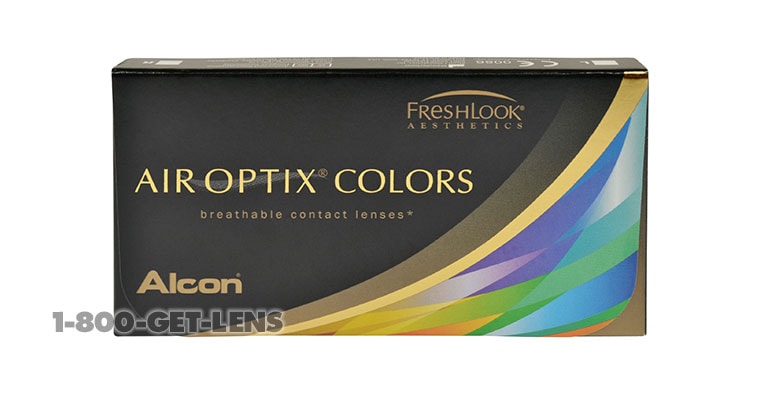
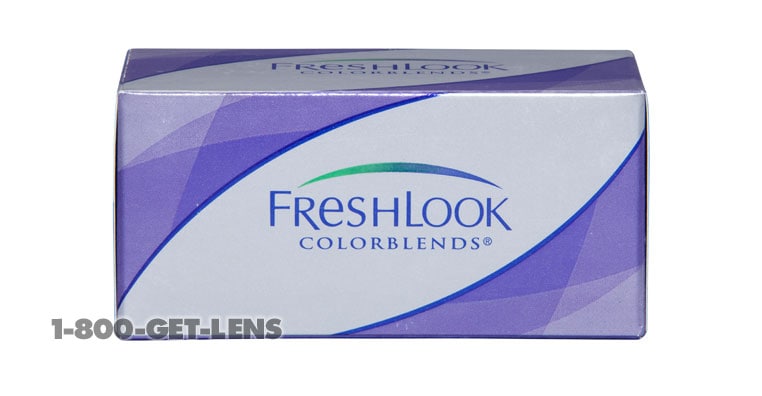
- Check the full product name before ordering brown contacts. Air Optix Colors and FreshLook ColorBlends are separate lens lines, so the name on your prescription should match the product in your cart.
- Confirm whether your prescription calls for power or plano lenses. Plano brown contacts change eye color without vision correction, but you still need a valid contact lens prescription.
- Review base curve, diameter, and material before checkout. These details affect how the lens sits on your eye and should match the values your eye doctor selected.
- Check the replacement schedule before wearing the lenses. Some brown color contacts follow a monthly routine and need cleaning, storage, and on-time replacement.
- Stop wearing the lenses when redness, pain, light sensitivity, or cloudy vision starts. Remove the lenses and contact your eye doctor before wearing them again.
Brown contacts work best when the shade, fit, and prescription details line up. The color design creates the visual change, while the lens measurements and care routine affect how the contacts feel during wear.