1-800-GET-LENS /
eyeTopics / How To Use SPF Eye Cream Without It Affecting Your Contact Lenses
How To Use SPF Eye Cream Without It Affecting Your Contact Lenses
Table of Contents
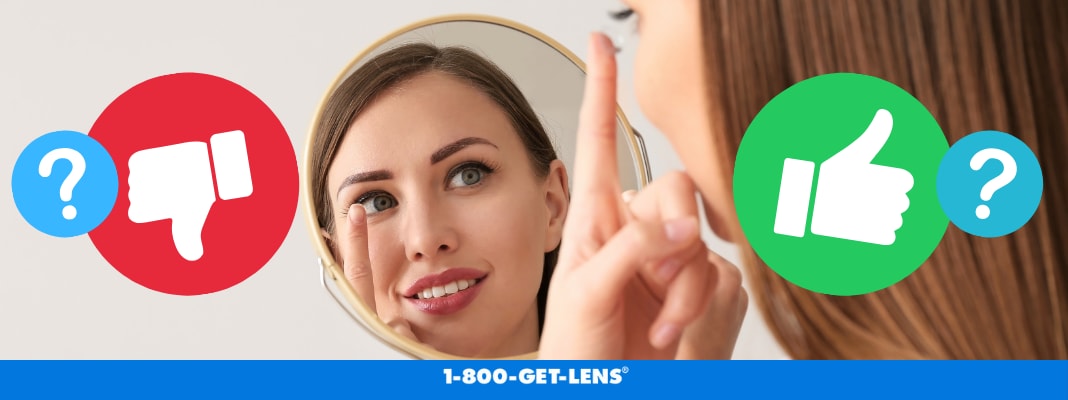
Most people who wear contacts do not think twice about applying SPF eye cream in the morning. Then one day something gets in their eye mid-commute and suddenly the whole routine feels like a problem. It is not. SPF eye cream and contact lenses can absolutely coexist, but a few adjustments to how and when you apply make the difference between a smooth morning and a frustrating one.
What Happens When SPF Gets on Your Contact Lenses
Contact lenses sit directly on your cornea and move with your eye. When SPF migrates from the skin around your eye onto the lens surface, it mixes with your tear film and creates a film over the lens. The result is hazy, slightly greasy vision that does not clear no matter how much you blink.
The type of sunscreen filter matters here. Chemical filters like oxybenzone and avobenzone absorb into the skin, which sounds like a benefit, but they sting when they reach the eye and can cause significant irritation on contact with a lens. Mineral filters, zinc oxide and titanium dioxide, sit on top of the skin rather than absorbing into it. They are far less irritating if they drift toward the eye, which makes them the better fit for contact lens wearers.
Texture plays a role too. Heavy, rich creams migrate more than lighter formulas, especially as the day warms up or after physical activity. Sticks and balm formats stay put better and give you more control over placement.
How To Build SPF Into Your Morning Contact Lens Routine
The order of your routine matters more than most people realize. Here is a sequence that works.
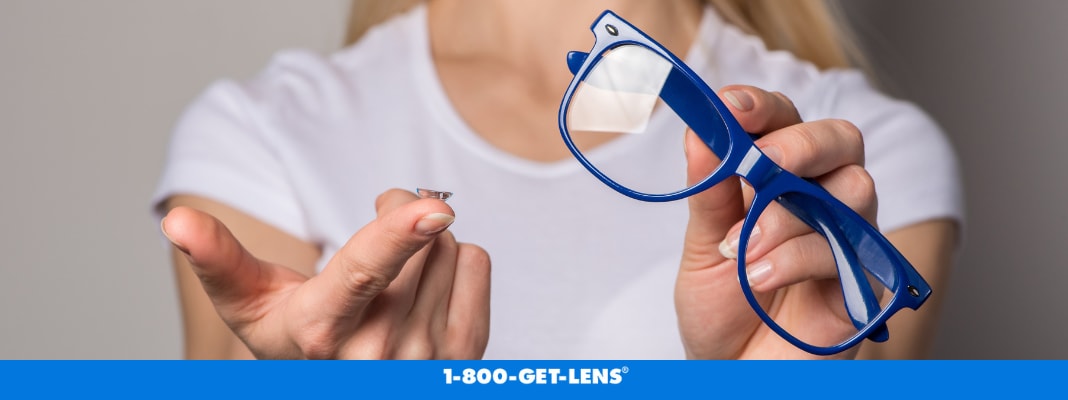
Apply your SPF eye cream first, before you handle your lenses. This removes the biggest risk. Once the product is on your skin, wash your hands thoroughly before touching your lenses. Any residue left on your fingertips transfers directly onto the lens during insertion, which undoes everything.
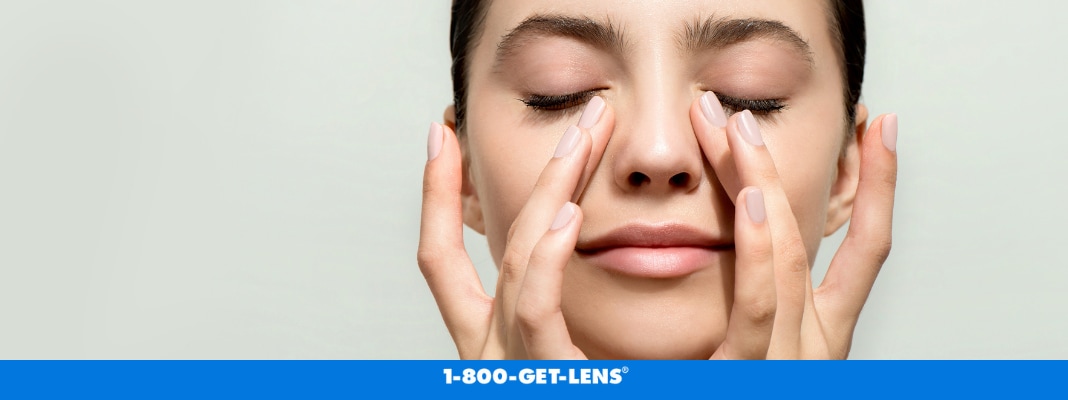
Apply the product to the orbital bone area, not directly on the eyelid or up to the lash line. You do not need to take it all the way to the edge. Body heat and natural movement spread the product slightly without you pushing it into risky territory.
Give it time to settle. A freshly applied product moves more than one that has had a minute or two to dry down. Insert your lenses after the product has set, not immediately after applying.
If you wear makeup alongside your SPF, the same logic applies. Set your skincare first, wash your hands, then handle your lenses before touching anything else.
Choosing an SPF Eye Cream That Works with Contacts
Not every SPF product marketed for the eye area behaves well next to a contact lens. These are the things worth looking for when choosing one.
Mineral formula. Zinc oxide and titanium dioxide are less irritating if migration happens. This is the single most contact-lens-friendly swap you can make.
Fragrance-free. Fragrance near the eye is a common irritant and adds no protective benefit.
Lightweight texture. Lighter formulas and stick formats give you better placement control and migrate less throughout the day.
Labeled for sensitive eyes. Look for phrases like “ophthalmologist-tested” or “safe for sensitive eyes” as a sign the formula was designed with the eye area in mind.
Standard moisturizers with SPF blended in are not always built for the eye area. They are worth treating with caution even if they feel fine on the rest of your face.
What To Do If SPF Gets in Your Eye
Remove your lenses immediately. Trying to flush your eye with lenses in traps the product between the lens and the cornea and makes things worse.
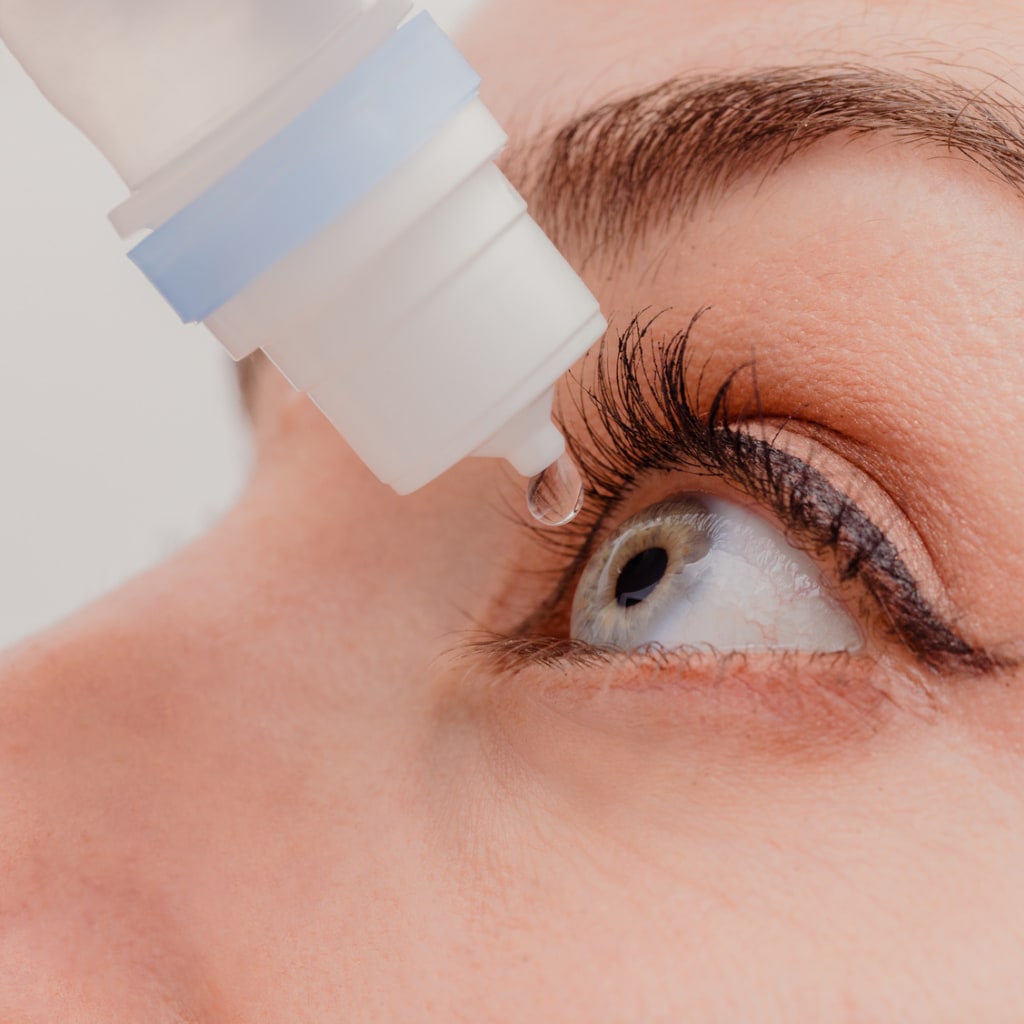
Rinse with sterile saline or preservative-free artificial tears. Avoid tap water since it is not sterile and can introduce other issues. If you wear daily disposables, throw that pair out and start fresh. If you wear reusable lenses, clean them properly before putting them back in.
A brief sting that fades after rinsing is normal. If your eye stays red, blurry, or uncomfortable after flushing, take your lenses out and check in with your eye doctor.
Rounding Out Your Eye Protection
SPF eye cream covers the skin around your eye, but it does not protect the eye itself. Sunglasses fill that gap. Polarized lenses with UV400 protection block UV rays from reaching the eye directly and reduce glare, which matters for contact lens wearers since lenses can make bright conditions more uncomfortable.
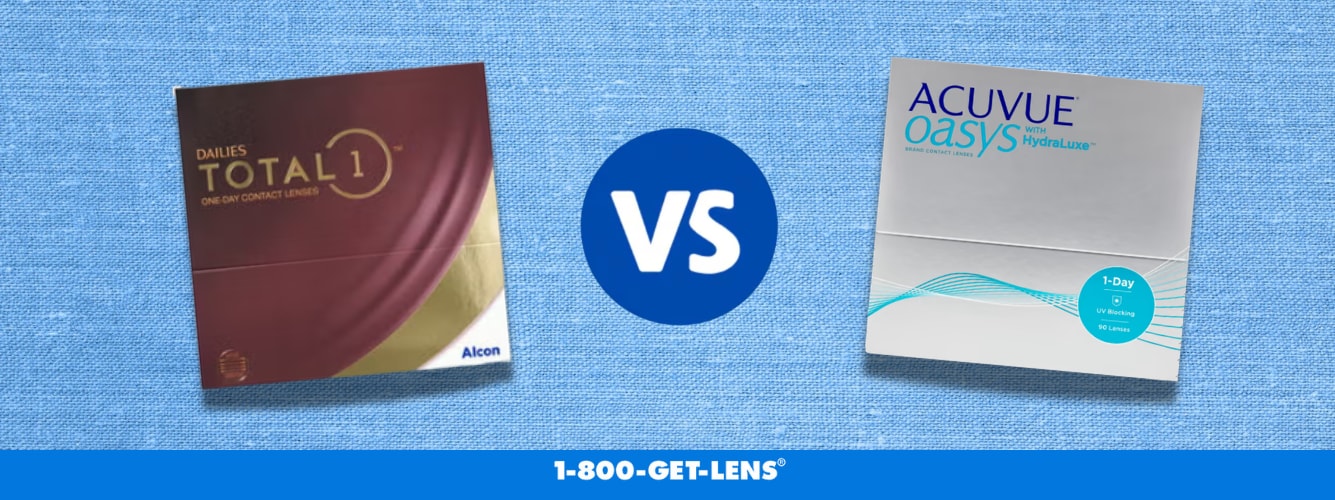
Some contact lenses also block UV. A 2025 study in BMJ Open Ophthalmology found that lenses with Class 1 UV blockers can reach an equivalent of SPF 50 for the cornea. That does not replace sunglasses since the coverage is limited to the area the lens covers, but it adds a layer of protection you get simply by wearing your prescription.
1-800GetLens carries a wide range of contact lenses, including UV-blocking options. If your current lenses do not block UV and you spend a lot of time outdoors, it is worth asking your eye doctor whether switching makes sense for you.
References
Wolffsohn JS, et al. Development of a Sun Protection Factor for Contact Lenses. BMJ Open Ophthalmology. 2025.
American Academy of Ophthalmology. Sunscreen and Eye Safety. AAO.org. 2023.
American Optometric Association. Contact Lens Care and Safety. AOA.org. 2023.
Skin Cancer Foundation. Ask the Expert: Is Sunscreen Safe for the Eye Area? SkinCancer.org. 2024.