Table of Contents
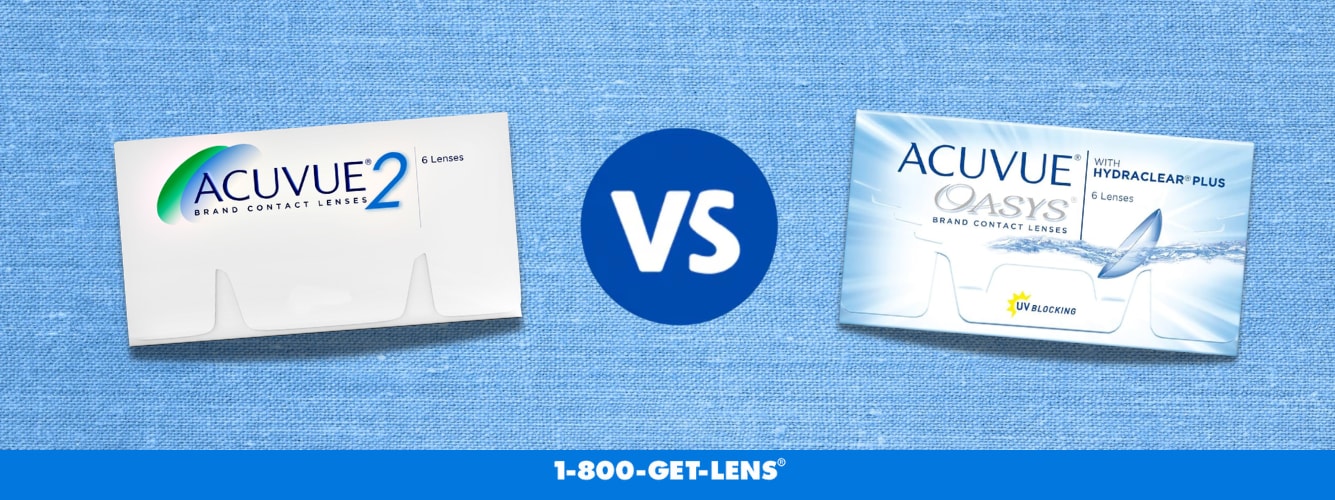
Selecting the right biweekly contact lens requires a clear understanding of how different materials support your vision and ocular health. Johnson and Johnson produces both Acuvue 2 and Acuvue Oasys as part of their established vision care lineup. While both lenses share a 14 day replacement schedule, they feature different generations of technology and material science. Evaluating these differences helps you determine which product matches your lifestyle and comfort needs.
Acuvue 2 represents a legacy design that has served wearers for many years with a traditional hydrogel material. Acuvue Oasys serves as a modern successor that uses silicone hydrogel to deliver higher levels of oxygen to the eye. Recognizing the technical specifications of each lens is a significant step toward achieving long term comfort and clear sight.
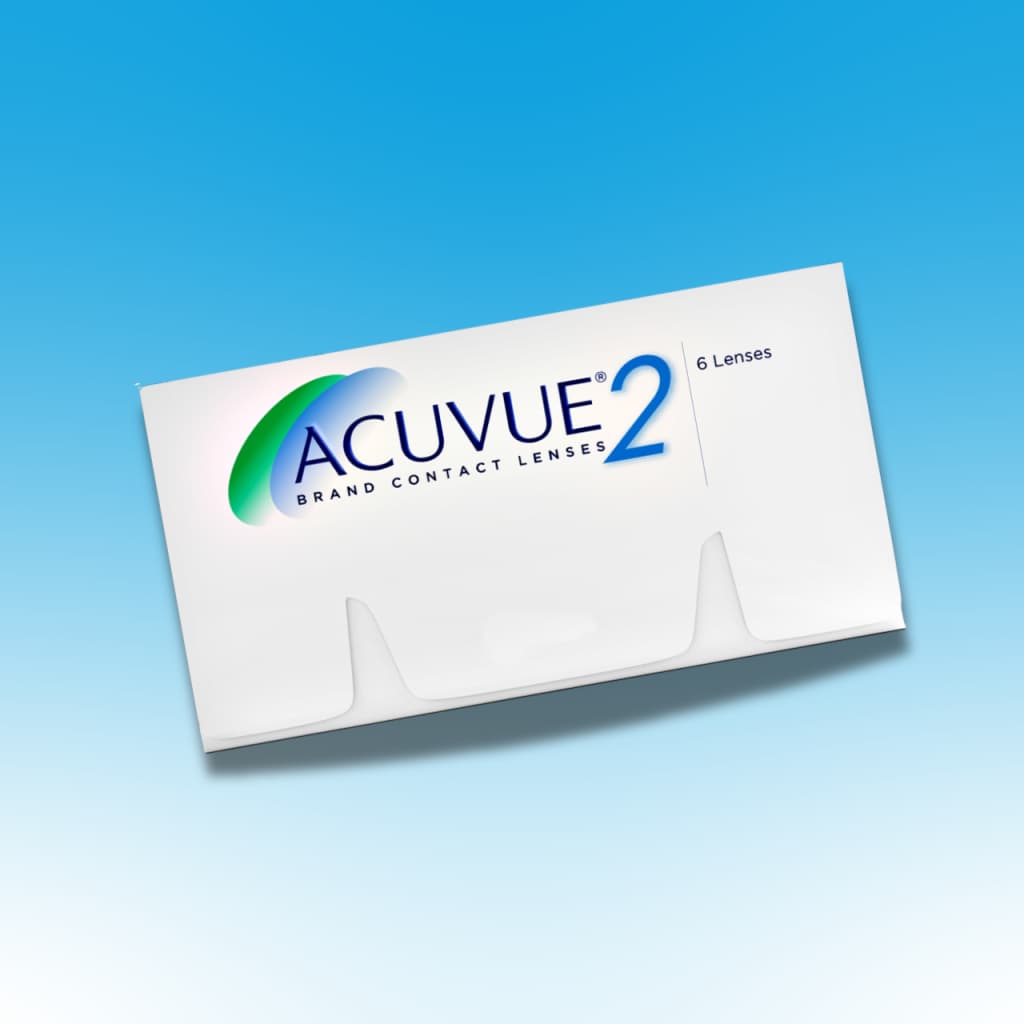
Acuvue 2 Product Details
Acuvue 2 is a traditional hydrogel lens made from a material called Etafilcon A. This lens has a high water content of 58 percent which delivers a soft and flexible feel upon initial insertion. It features a thin design that many long term wearers find comfortable for daily use. Because it uses a high water content, the lens relies on the liquid within the material to transport oxygen to the corneal surface.
This lens remains a functional choice for individuals who have successfully worn hydrogel lenses for years and do not experience dryness issues. It features a visibility tint and an inside out mark to make handling and insertion simpler for the user. While it lacks the advanced moisture systems of newer models, its reliable design continues to deliver stable vision for a wide range of nearsighted and farsighted prescriptions.
Acuvue Oasys Product Details
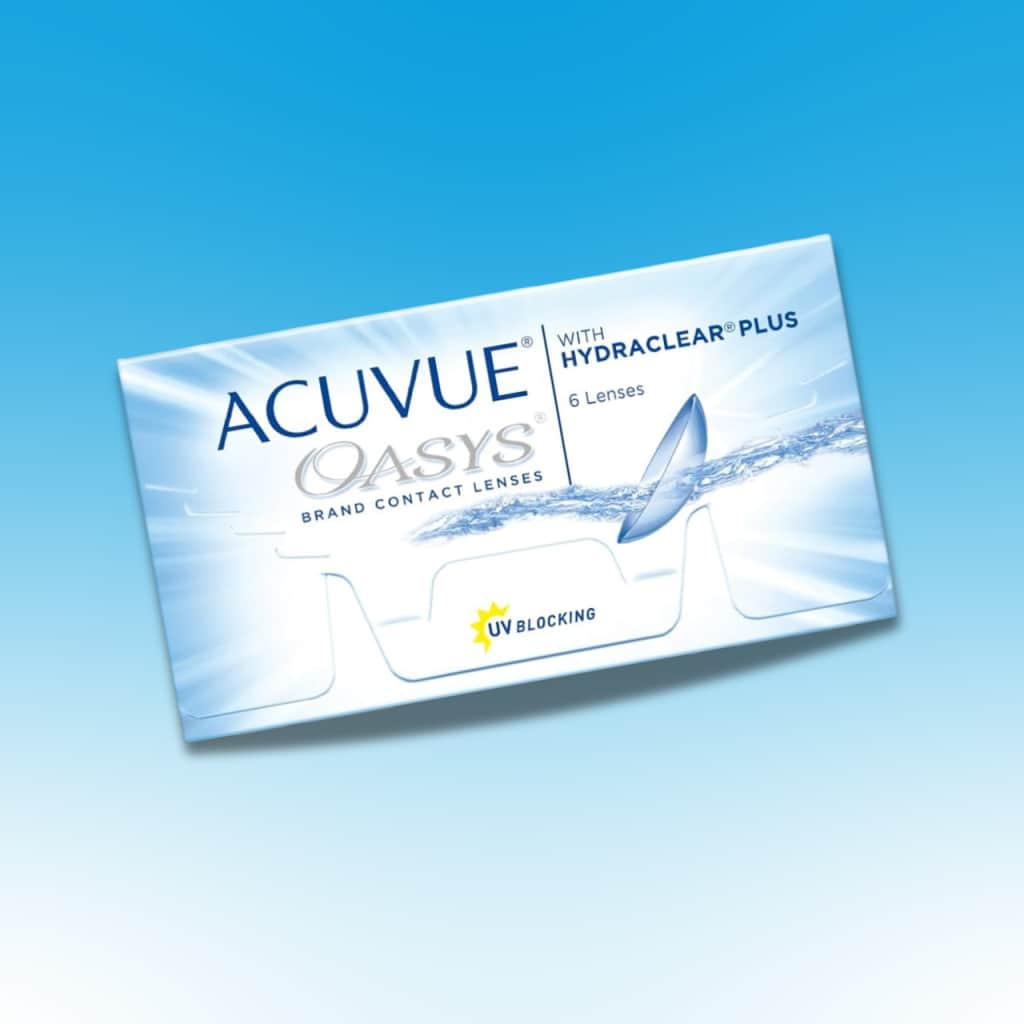
Acuvue Oasys is a more recent development that uses a silicone hydrogel material known as Senofilcon A. This lens features Hydraclear Plus technology which embeds a high volume of wetting agent throughout the lens matrix. This design results in a surface that stays smooth and moist even in challenging environments like air conditioned buildings or during long hours of computer work. Many users select Acuvue Oasys to manage symptoms of eye tiredness and dryness related to digital screen use.
Unlike traditional lenses, Acuvue Oasys allows a much higher percentage of oxygen to pass through the material directly to the eye. This breathability is a mandatory requirement for keeping the eyes white and healthy during long days of wear. The lens also features high levels of ultraviolet protection to shield the eyes from harmful radiation. It serves as a versatile option for people who lead active lifestyles and need a lens that performs well from morning until late at night.
Material Differences And Oxygen Flow
The shift from hydrogel in Acuvue 2 to silicone hydrogel in Acuvue Oasys marks a noteworthy change in ocular technology. Hydrogel lenses like Acuvue 2 are highly compatible with the eye but have physical limits on how much oxygen they can transmit. Silicone hydrogel solves this by allowing oxygen to move through the silicone molecules themselves. This results in an oxygen transmissibility rating for Acuvue Oasys that is significantly higher than that of Acuvue 2.
- Higher oxygen flow supports the natural metabolic needs of the cornea
- Modern materials reduce the risk of redness at the end of the day
- Silicone hydrogel maintains its shape better for easier handling
- Advanced wetting agents reduce the friction between the eyelid and the lens
- Lower water content in silicone lenses can lead to less dehydration for some users
Note, you should always verify with your doctor which material is compatible with your tear film. Maintaining a healthy ocular surface is a significant part of successful contact lens wear.
Hydraclear Plus Technology Benefits
The Hydraclear Plus technology found in Acuvue Oasys delivers a consistent layer of moisture that mimics the natural tear film. This is a functional advantage for people who struggle with the gritty sensation frequently associated with contact lens wear. By integrating the wetting agent into the lens rather than just coating the surface, the moisture stays intact throughout the entire 14 day wearing cycle.
Standard hydrogel lenses like Acuvue 2 may lose moisture more quickly in dry air because they rely on their high water content to stay soft. When the environment is dry, the water in the lens can evaporate which causes the lens to tighten on the eye. Acuvue Oasys resists this effect by using its internal wetting agent to keep the surface lubricated. This technology delivers a smoother experience for users who move between different indoor and outdoor climates.
Comparison Of Biweekly Lenses
Selecting The Correct Lens For Your Eyes
Your daily routine and environmental exposures are the most significant factors when choosing between these two options. If you spend most of your day in front of a laptop or in a dry office, the advanced moisture and breathability of Acuvue Oasys deliver a clear advantage. It is specifically engineered to handle the reduced blink rate and digital strain typical of modern life. Many eye care professionals recommend this lens for users who are new to contacts or those who want the latest in lens safety.
If you have a long history of wearing Acuvue 2 without any comfort issues or redness, you might prefer to stick with the familiar feel of hydrogel. Some eyes are sensitive to silicone and find that the traditional hydrogel material is more compatible with their eye chemistry. However, many wearers find that upgrading to the silicone hydrogel technology in Acuvue Oasys improves their overall satisfaction and ocular health. Your doctor can provide trial lenses to help you feel the difference between these two technologies during a professional fitting.
Care And Maintenance For Biweekly Wear
A healthy vision routine for biweekly lenses involves diligent cleaning and proper storage every single night. Because these lenses are worn for 14 days, you must prevent the accumulation of lipids and proteins on the surface. Using a high quality multipurpose solution or a hydrogen peroxide system is a mandatory step for keeping your vision clear and your eyes safe from infection.
- Wash and dry your hands thoroughly before touching your lenses
- Use fresh solution in your case every night and never top off old liquid
- Rub and rinse your lenses gently to remove surface debris before storage
- Replace your lens case every three months to prevent bacterial growth
- Remove your lenses immediately if you notice redness or blurred vision
- Follow the 14 day replacement schedule exactly as directed by your doctor
Note, you should never use tap water to rinse your lenses or your lens case. Water from the tap contains microorganisms that can cause serious and permanent vision issues.
Ultraviolet Protection Comparisons
Protecting your eyes from the sun is as significant as protecting your skin. Both Acuvue 2 and Acuvue Oasys feature ultraviolet blocking technology to shield the cornea and the interior of the eye from radiation. Acuvue Oasys delivers Class 1 protection which blocks more than 90 percent of UVA rays and 99 percent of UVB rays. Acuvue 2 delivers Class 2 protection which is still effective but blocks a slightly lower percentage of radiation.
While ultraviolet blocking lenses provide a noteworthy layer of safety, they do not cover the entire eye or the surrounding skin. You should still wear high quality sunglasses when spending time outdoors to provide complete protection. Combining UV blocking contacts with sunglasses delivers the best defense against long term sun damage like cataracts or macular issues. Verifying that your eyes have constant protection is a mandatory part of maintaining your vision as you age.
Final Thoughts
Acuvue 2 and Acuvue Oasys both deliver reliable vision correction for people who prefer a biweekly replacement schedule. Acuvue 2 serves as a traditional and cost effective option for those who prefer hydrogel materials. Acuvue Oasys delivers a modern solution with superior oxygen flow and moisture retention for the demands of a digital world. Choosing the right one allows you to enjoy clear vision with total confidence in your comfort.
Consult your eye care professional to determine which Acuvue lens fits your specific needs. They can evaluate your tear film and ocular health during a comprehensive exam. Once you have a valid prescription, you can order your lenses online to save time and money. Maintaining a consistent routine with the right technology allows you to keep your eyes healthy and your vision sharp every day.
References
FDA. Medical Device Database for Contact Lenses (fda.gov). 2024.
Johnson and Johnson. Acuvue Product Specifications (acuvue.com). 2025.
AAO. Hydrogel versus Silicone Hydrogel (aao.org). 2024.
CDC. Healthy Habits for Contact Lens Wearers (cdc.gov). 2025.
AOA. Ultraviolet Protection for Eyes (aoa.org). 2025.