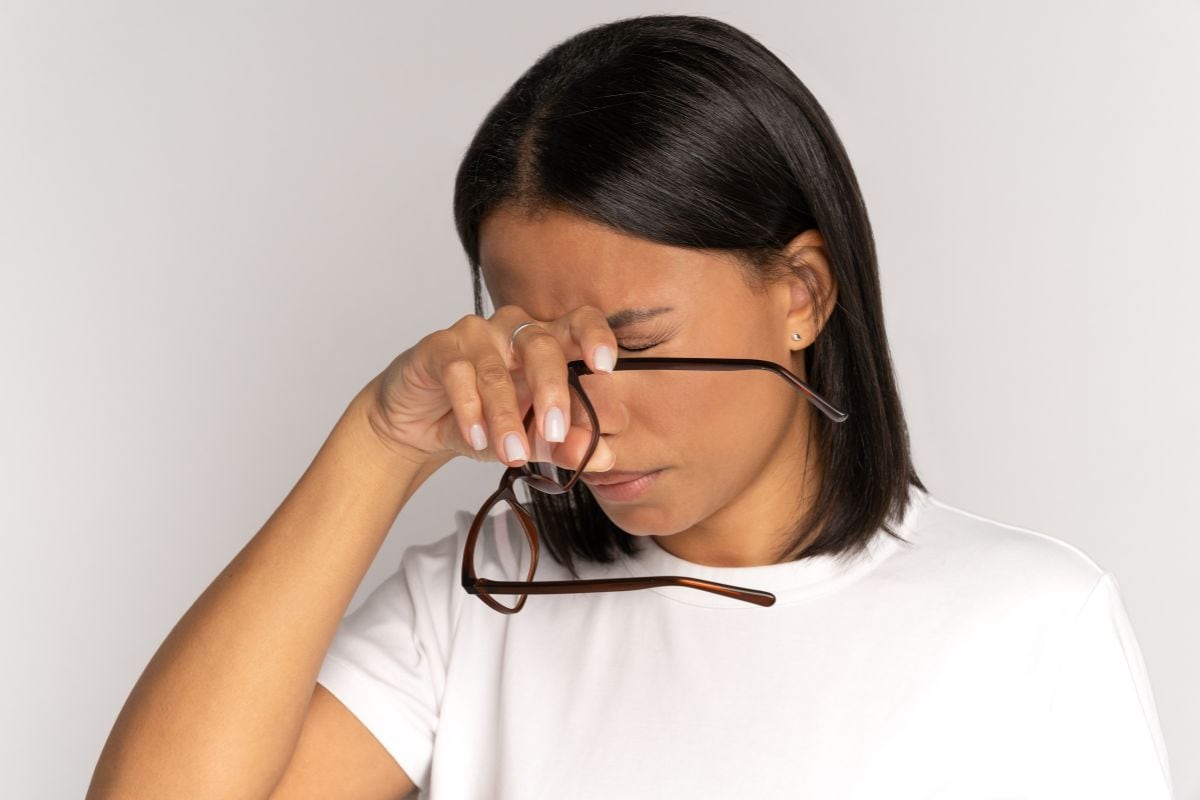
Do you often find yourself rubbing your eyes after a long day at work or feel a persistent soreness that seems to have no obvious cause? Eye soreness is a common complaint among adults and can significantly affect your quality of life. In this guide, we’ll explore the various reasons behind eye discomfort, offer prevention tips, and advise when it might be time to consult a professional.
What is Eye Sore?
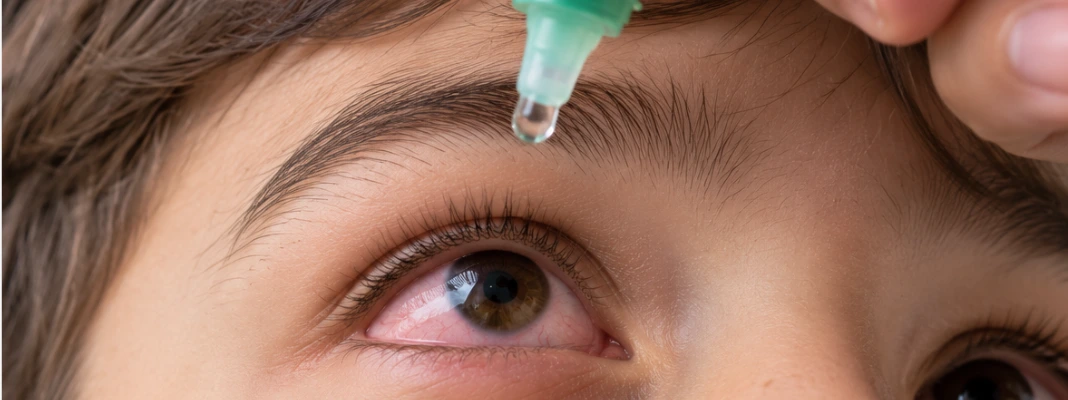
Eye soreness refers to a sensation of discomfort or irritation in the eyes, which can range from mild to severe. This condition can manifest as a feeling of dryness, itchiness, burning, or even a gritty sensation as if something is in the eye.
Commonly caused by factors such as prolonged screen time, exposure to dry or windy environments, allergies, or eye strain from insufficient lighting, eye soreness is a symptom that many people experience in their daily lives. It can also be indicative of more serious eye health issues, making it important to understand its causes and potential treatments to maintain optimal eye health and comfort.
Common Causes of Sore Eyes
Eye Strain – One of the most prevalent causes of sore eyes is strain from prolonged focus. This can happen from excessive screen time, intense reading, or long driving stints. It’s essential to give your eyes regular breaks to maintain their health and comfort.
Dry Eyes – Often found in older adults or those in dry climates, this condition arises from inadequate tear production, causing irritation. Factors like air conditioning, certain medications, and a low water intake can worsen dry eyes.
Allergies – Exposure to allergens such as pollen, mold, and pet dander can trigger allergic reactions, leading to symptoms like red, itchy, and sore eyes.
Infections – Conditions like conjunctivitis or blepharitis can significantly discomfort your eyes and typically require medical intervention.
Lifestyle Factors Contributing to Sore Eyes
Your daily habits and environment can significantly impact your eye health. By making a few adjustments, you can prevent the discomfort associated with strained or tired eyes. Poor lighting is one major factor; inadequate lighting forces your eyes to work harder, leading to soreness. Ensure your environments are well-lit, ideally with natural light.
Lack of sleep is another common issue. Not getting enough rest can exacerbate eye soreness, so aim for 7-8 hours of sleep each night to help alleviate this problem. Plus, your diet and hydration levels play a crucial role. Consuming foods rich in Omega-3 fatty acids and staying hydrated are vital for maintaining good eye moisture levels and overall health.
Health Conditions That Cause Eye Soreness
Certain health issues can directly lead to eye discomfort, making it essential to address these underlying causes. Refractive errors, such as nearsightedness and farsightedness, force your eyes to strain to see clearly, often causing soreness. Regular eye exams are crucial to detect and correct these issues. Autoimmune disorders, like Sjogren’s syndrome, can impair your body’s ability to produce tears, leading to dryness and irritation.
Migraines and headaches are also significant contributors; they can cause eye soreness, and vice versa, where eye strain can contribute to migraines and headaches. Addressing these health conditions is key to relieving eye soreness and improving overall eye health.
Prevention and Management

Maintaining eye health involves regular care and being proactive about potential issues.
- Regular Eye Exams. Early detection through regular check-ups can prevent serious conditions.
- Proper Lighting and Ergonomics. Adjust your workspace and maintain proper posture to reduce eye strain.
- Eye Hygiene and Care. Keeping your hands and contact lenses clean is crucial to preventing infections. Consider lubricating eye drops if you frequently have dry eyes.
When to See a Doctor
Recognizing when to seek professional help is crucial in preventing serious eye conditions from worsening. If you experience persistent or severe pain despite taking preventive measures, it’s important to consult an eye specialist. Sudden changes in vision also require immediate attention, as they can indicate serious health issues. Also, symptoms like discharge or excessive tearing, along with soreness, may suggest an infection or another severe condition that needs professional evaluation.
Summary
While occasional eye soreness might seem minor, understanding its causes and implementing effective management strategies are crucial for maintaining your eye health. If you wear glasses or contact lenses, ensuring they are correctly prescribed and well-maintained can significantly reduce eye discomfort.
Plus, adopting habits such as taking regular breaks from screens, using proper lighting, and maintaining good eye hygiene can further prevent soreness. If your symptoms persist, it’s important to consult with an eye care professional to rule out any underlying conditions. Remember, taking proactive steps can help keep your eyes healthy and comfortable, whether you choose glasses or contact lenses for your vision needs.