As we age, our bodies go through many changes, some more noticeable than others. One of the most significant changes is in our vision, which affects most people as they get older. These changes impact how we see the world and how we interact with it. Understanding these changes is essential for adapting and taking proactive steps to preserve our eye health for as long as possible.
Early Development: Optimal Visual Clarity
When we are young, our vision is at its peak in terms of health and clarity. The lenses in our eyes are clear and flexible, allowing us to easily focus on objects at different distances, a process called accommodation. This flexibility lets young eyes quickly switch focus from far to near objects, thanks to the lens’s elasticity.
Understanding Presbyopia
As we enter our forties, many of us start to notice the first signs of presbyopia. This age-related condition happens when the eye’s lens becomes less flexible, making it harder to focus on close objects. People often find themselves needing reading glasses or holding reading materials further away to see clearly. Presbyopia is a natural part of aging and affects almost everyone to some extent.
As presbyopia progresses, it can impact daily activities, leading people to seek various corrective options. Besides the common use of reading glasses, there are bifocal or multifocal lenses that let you switch between different tasks without changing glasses. Advances in corrective surgery and contact lenses also offer more convenient ways to manage presbyopia, allowing for a more adaptable lifestyle. By understanding and addressing presbyopia early, you can significantly reduce its impact on your quality of life and continue enjoying your usual activities with minimal disruption.
Alterations in Color Perception
As we age, our color perception changes too. The lenses in our eyes gradually yellow, which affects how we see colors. Vibrant colors may seem less bright, and distinguishing between similar shades becomes harder. This change can impact activities that rely on precise color discernment, like painting or choosing clothes.
Adaptation to Light and Darkness
As we age, our ability to see in low light and adjust to different lighting conditions diminishes. Older adults often find they need more light to see clearly compared to when they were younger. This decline in low-light vision is due to changes in the eye, such as a decrease in pupil size and a reduction in the number of light-sensitive cells in the retina. These changes make it more difficult to see in dimly lit environments and can lead to increased eye strain and fatigue.
This change complicates tasks like night driving, where clear vision is crucial for safety. It also means that transitioning between brightly and dimly lit areas takes longer, which can be disorienting. Simple activities, such as walking into a darkened room after being outside in the sun, can become more challenging. Understanding these changes and taking steps to accommodate them, like using brighter lighting at home or avoiding driving at night, can help maintain safety and comfort as we age.
Heightened Sensitivity to Glare
As we get older, we become more sensitive to glare from sunlight or artificial lights. This can make activities like night driving or using a computer more difficult. These changes happen because the lens of the eye becomes less clear and our contrast sensitivity decreases, making it harder to see objects clearly against their backgrounds.
Dry Eye Syndrome: A Common Problem
When we age, our eyes make less tears, which can lead to dry eye syndrome. This problem can make your eyes feel uncomfortable, itchy, and red. You might also feel like something’s stuck in your eye. Women after menopause often face this issue because of hormone shifts.
To deal with dry eye syndrome, you can take several steps. You can buy artificial tears at the store for quick help, but if it’s bad, you might need special medicine to boost tear production or cut down on swelling. Changing some habits can also help. Try to look at screens less, use a humidifier when the air is dry, and wear glasses that protect your eyes. It’s key to get your eyes checked. This helps keep an eye on the problem and change your treatment if needed. If you take care of your eyes, you can feel better and enjoy life more even with dry eye syndrome.
Age-Related Ocular Diseases
Getting older raises the chances of several eye problems such as cataracts, glaucoma, and age-related macular degeneration (AMD). Cataracts, which cause the eye’s lens to cloud, are very common but can be fixed with surgery. Glaucoma happens when pressure inside the eye goes up, and it can make you lose your sight if you don’t treat it. AMD affects the macula, which you need to see things in the middle of your vision. This has a big impact on your ability to read, drive, and recognize faces.
Taking Care of Your Eyes
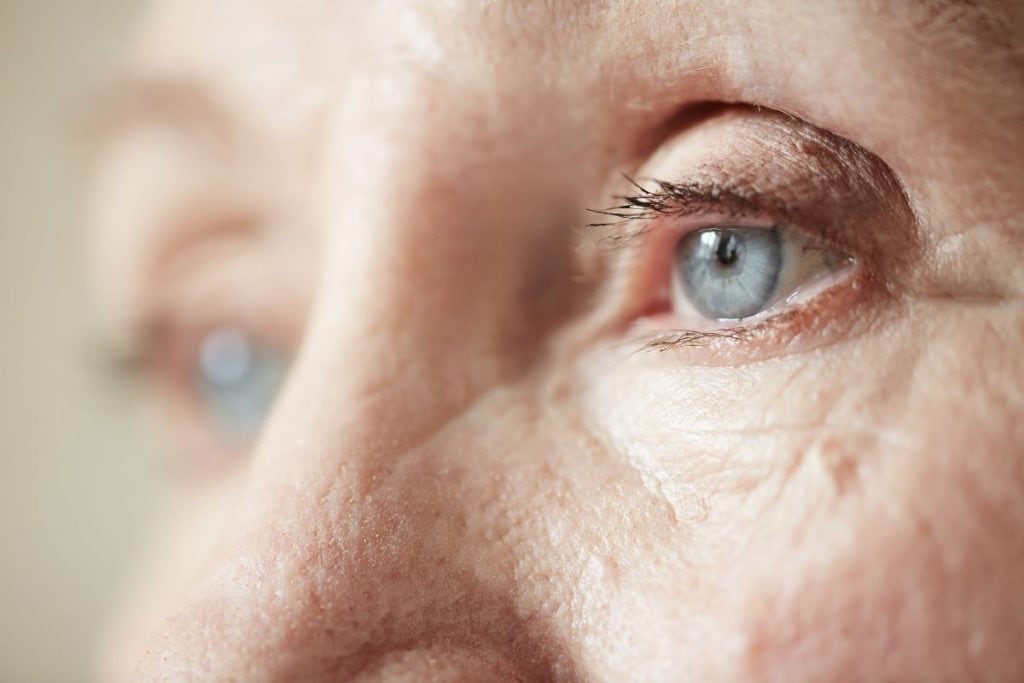
Though the aging process is inevitable, several strategies can help safeguard our vision:
- Consistent Ocular Examinations – Regular eye exams are pivotal for detecting vision changes and ocular diseases in their nascent stages.
- Ocular Protection – Sunglasses with UV protection and hats shield the eyes from sun damage.
- Nutritional Considerations – A diet rich in omega-3 fatty acids, lutein, zinc, and vitamins C and E can mitigate age-related vision issues.
- Physical Activity – Regular exercise can decrease the risk of ocular diseases.
- Smoking Cessation – Smoking amplifies the risk of conditions such as cataracts and AMD.
Adjusting to Vision Changes
Comprehending the evolution of our vision as we age empowers us to better care for our eyes and adjust to changes in our sight. While our vision at 60 may not mirror that at 20, proactive eye care allows us to continue appreciating the world’s beauty and detail. The passage of time introduces changes to our vision, yet with mindful attention and care, we can navigate these transitions and maintain our quality of life.
Summary
Our eyesight shifts as we age, which is a typical part of growing older. Knowing about these changes allows us to look after our eyes better. Easy actions like regular eye check-ups, a nutritious diet, and using shades can have a significant effect. It’s about being proactive to maintain our eye health for as long as possible.
To sum up, eye care matters at every life stage. By focusing on our eye health and tweaking our habits, we can keep good vision for years to come. This isn’t just about clear sight; it’s about keeping our life quality high and seeing the world’s beauty around us.