Table of Contents
Choosing between contact lenses and glasses depends on your eyes, routine, and care preferences. Glasses are easy to wear, clean, and store. Contact lenses sit directly on the eye, which feels more natural during movement, sports, travel, and social plans.
Contacts work well for active routines. For low-maintenance wear, glasses still have a strong advantage. Your prescription, eye health, comfort, budget, and schedule should guide the choice.
Differences Between Contact Lenses and Glasses
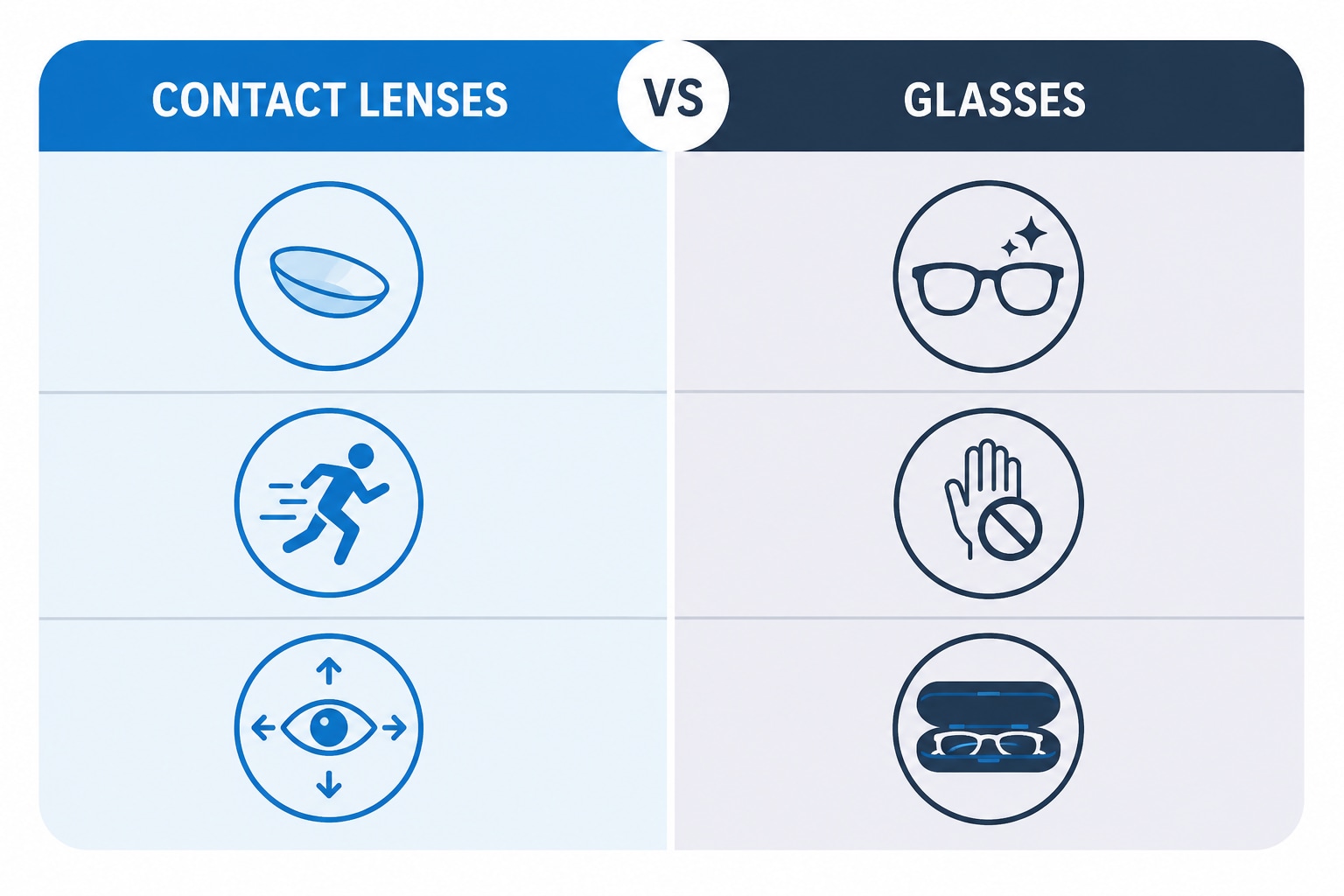
Contact lenses and glasses both correct nearsightedness, farsightedness, astigmatism, and presbyopia. The difference is how they fit into your day. Glasses rest in front of your eyes. Contact lenses rest on the eye surface and move with your eyes.
Reasons to Choose Contact Lenses
Choose contact lenses if you want:
- Frame-free vision for sports, workouts, and events
- Wider side vision with fewer frame limits
- Easier wear with sunglasses, goggles, helmets, and face coverings
- Less fogging during weather changes
- A natural look without frames
- Doctor-prescribed colored lenses for eye color changes
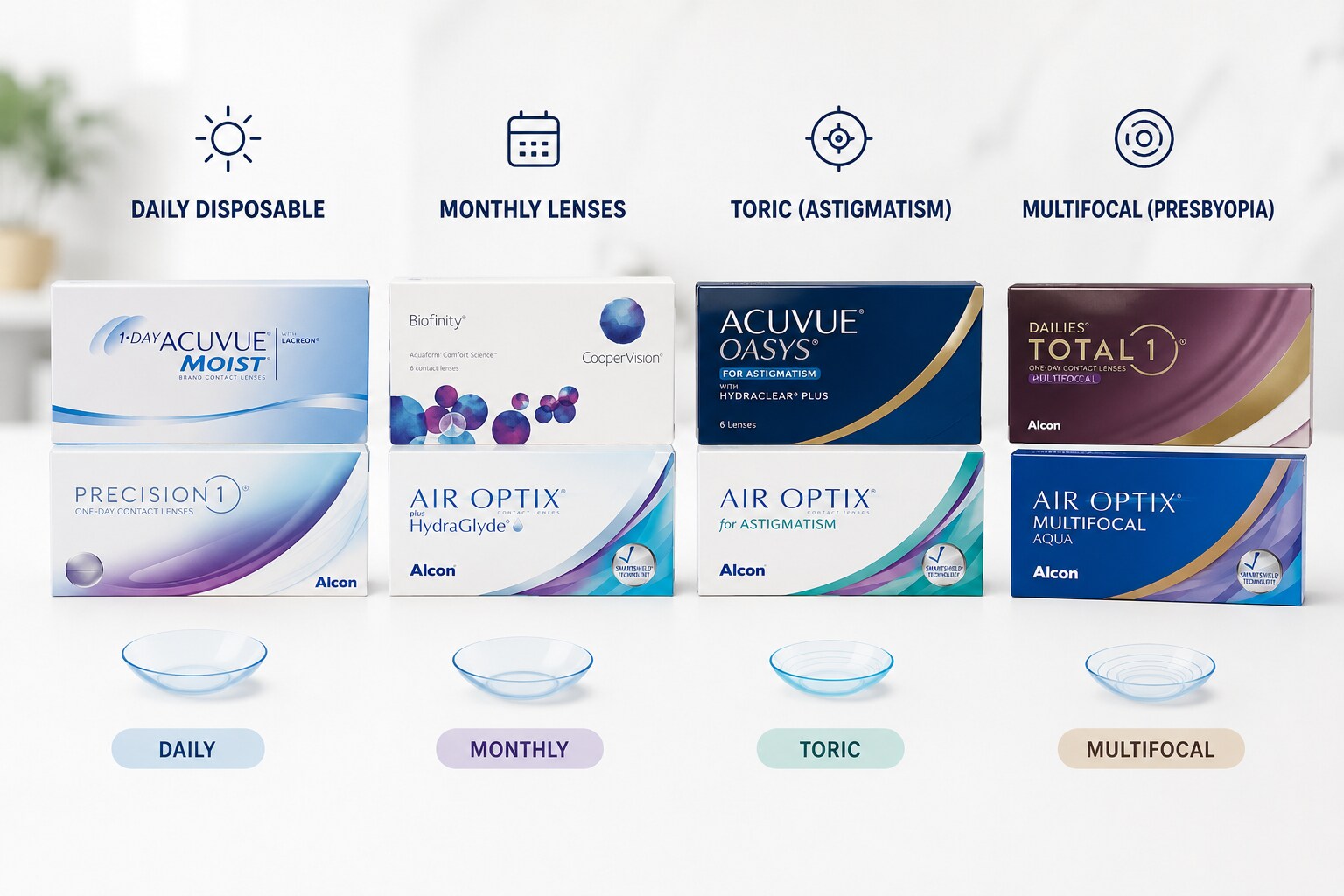
For daily disposable wear, compare options such as 1-Day ACUVUE Moist, ACUVUE OASYS MAX 1-Day, and PRECISION1. For reusable monthly wear, Biofinity is a familiar option. Your eye doctor’s prescription should guide the exact lens name, power, base curve, diameter, and replacement schedule.
Reasons to Choose Glasses
Choose glasses if you want:
- Simple wear with less handling
- No contact with the eye surface
- Easier use during dry eye days or allergy flare-ups
- Frames that add style to your look
- Backup eyewear when contact lenses feel uncomfortable
- Less daily cleaning compared with reusable contact lenses
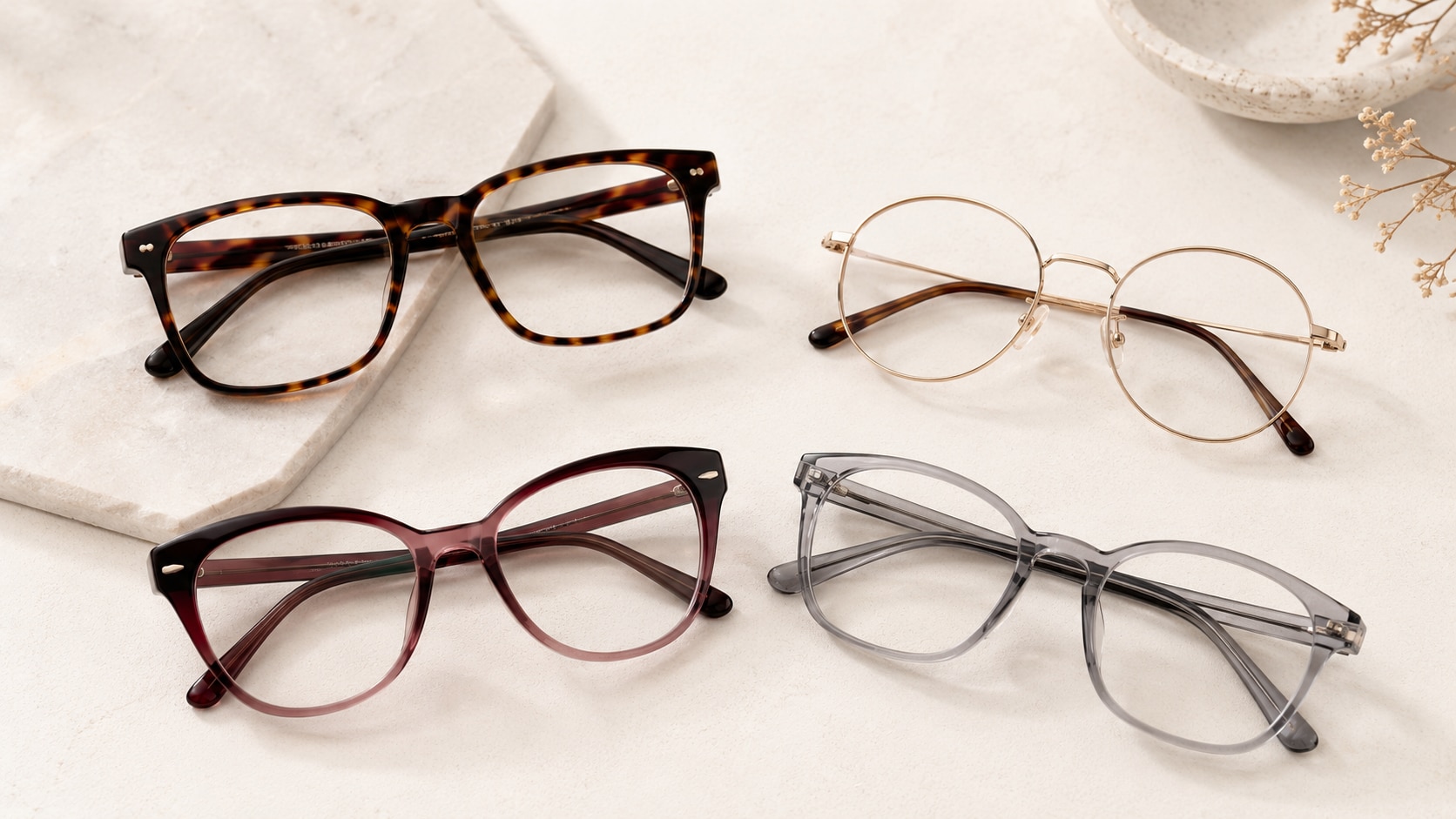
For eyeglasses, wearers can browse prescription frames such as Ray-Ban Rx RX5268, Ray-Ban Rx5184 New Wayfarer, Vogue VO3918, Aspex Eyewear O1083, and other frame styles.
When Wearing Both Makes Sense
Wearing both works well when your routine changes. Contacts fit active days, events, and outdoor plans. Glasses work well at home, before bed, when you are sick, or after long screen sessions.
Are Contact Lenses Better Than Glasses?
Contact lenses are better for people who want frame-free vision, wider side vision, and fewer limits during movement. Glasses are better for people who want simpler care and less eye handling.
If you play sports, travel often, or dislike frames, contacts could fit your day better. If your eyes get dry, you work long screen hours, or you prefer low-maintenance wear, glasses could be better.
Contact Lens Pros and Cons
Pros of Contact Lenses
Contact lenses give a wider field of view than glasses. Frames do not block the sides of your vision, and lenses move with your eyes. This feels more natural when driving, exercising, or moving through a busy day.
Contacts also stay in place during sports and workouts. You do not need to worry about frames sliding, fogging, or falling. Clear contacts correct vision without changing your face, while doctor-prescribed colored contacts can change or deepen eye color.
Cons of Contact Lenses
Contact lenses need more care than glasses. Reusable lenses need fresh disinfecting liquid and storage. Daily disposable lenses must be thrown away after one wear.
Contacts can feel dry after long wear, heavy screen use, wind, or air conditioning. Remove your lenses and call your eye doctor if you notice redness, pain, burning, discharge, or sudden blurry vision. Contacts also carry ongoing replacement costs, and backup glasses are still needed.
Eyeglasses Pros and Cons
Pros of Glasses
Glasses are easy to wear, remove, clean, and store. They do not require direct eye handling or disinfecting liquid.
They work well when your eyes feel dry, red, or tired. They also give the eye surface a break since they sit in front of the eyes.
Eyeglasses can shape your style too. Ray-Ban Rx frames give a classic look, Vogue frames lean more fashion-focused, and lightweight frames suit people who want less pressure on the nose and ears.
Cons of Glasses
The frame, lens edge, and distance from the eye can make the view feel less natural than contact lenses.
They can also fog, slip, collect rain, or feel awkward with headphones, helmets, hats, and face coverings. Strong prescriptions can create thicker lens edges, heavier frames, or edge distortion.
Contacts vs Glasses for Daily Comfort
Comfort depends on your eyes, surroundings, and daily schedule. This is where the comparison becomes more focused on which one fits your routine.
Sports, Workouts, and Active Days
Contact lenses work well for active days. They stay with your eyes, keep side vision open, and fit under protective eyewear.
Glasses still work for walking or errands, but faster movement can make them slide, fog, or bounce. For sports with impact, dust, or debris, protective eyewear still matters.
Screen Time and Dry Eyes
Long screen sessions can lead to dryness and eye fatigue. Some people wear contacts during the day, then switch to glasses in the evening.
If contacts feel dry before the day ends, ask your eye doctor about lens material, rewetting drops, or shorter wearing time.
Travel, Weather, and Long Wear Days
Contact lenses work well during travel since they pair with sunglasses and do not fog. Daily disposable lenses can also make trips easier since each wear starts fresh.
Glasses are easier during long flights, late nights, sick days, or times when you do not have a clean place to wash your hands.
Contacts vs Glasses for Vision Quality
Both contacts and glasses can give clear vision when prescribed correctly. The difference is how each option sits in relation to your eyes.
Field of View and Peripheral Vision
Contact lenses sit on the eye and move with it, which gives a wider field of view. Glasses sit away from the eye, which can cause visual limits.
Strong Prescriptions and Lens Thickness
Strong glasses prescriptions can create thicker lenses, heavier frames, or edge distortion. Contact lenses can feel more natural for higher prescriptions.
Your eye doctor can compare clarity, comfort, and lens fit to see whether contacts, glasses, or both match your needs. Some wearers with more specific vision needs may also ask their eye doctor about hard contact lenses if soft contacts or glasses are not the right match.
Astigmatism and Presbyopia Options
People with astigmatism can ask about toric contact lenses. Biofinity Toric, ACUVUE OASYS for Astigmatism, and DAILIES TOTAL1 for Astigmatism are examples to compare if your eye doctor prescribed them.
People with presbyopia can ask about multifocal contacts, monovision contacts, reading glasses, or progressive glasses. Biofinity Multifocal, DAILIES TOTAL1 Multifocal, and 1-Day ACUVUE Moist Multifocal are examples for near and distance correction.
Contacts vs Glasses Costs
Cost depends on your prescription, frame choice, contact lens replacement schedule, insurance, and rebates.
Upfront Costs
Glasses usually cost more at the start since frames and lenses are purchased together. Lens upgrades and designer frames can raise the price.
Contact lenses are usually bought in boxes. The first order can cost less than a full pair of glasses, but contacts must be replaced on schedule.
Replacement and Care Costs
Daily disposable contacts are replaced after each wear. Biweekly contacts are replaced every two weeks. Monthly contacts are replaced once a month. Reusable contacts also need disinfecting liquid and clean lens cases.
Glasses do not follow a daily or monthly replacement schedule, but repairs and new lenses can still affect your budget when frames break, lenses scratch, or your prescription changes.
Insurance, Rebates, and Online Savings
Vision insurance can reduce the cost of glasses, contacts, or both, depending on your plan. Rebates can also lower the final cost of eligible contact lenses.
Online ordering can make price comparison and restocking easier. Before buying, check your prescription expiration date, lens name, lens parameters, rebate details, shipping costs, and quantity needed.
Contact Lens Safety and Eye Health
Contact lenses are safe when prescribed, cleaned, replaced, and worn as directed. Problems usually come from poor hygiene, overwear, water exposure, or wearing lenses without a valid prescription.
Why Proper Contact Lens Care Matters
Use these habits every time you wear contact lenses:
- Wash and dry your hands before touching lenses
- Use fresh disinfecting liquid for reusable lenses
- Empty and air-dry the lens case after use
- Replace the lens case as directed
- Keep lenses away from tap water, pools, hot tubs, and showers
- Follow the replacement schedule from your eye doctor
Why Sleeping in Contacts Can Be Risky
Sleeping in contacts raises the risk of eye infection unless your eye doctor has prescribed lenses approved for overnight wear. If you accidentally sleep in contacts, remove them carefully and wear glasses if your eyes feel irritated. Call your eye doctor for pain, redness, discharge, light sensitivity, or blurry vision.
Contacts for Dry or Sensitive Eyes
People with dry or sensitive eyes can ask their eye doctor about contact lenses. A different lens material, shorter wearing schedule, daily disposable lens, or contact-safe rewetting drop could improve comfort. Remove contacts if discomfort continues.
Why Backup Glasses Still Matter
Glasses help when your eyes feel tired, dry, red, or irritated. They also protect your routine if you lose a lens, run out, travel, get sick, or need time away from contacts.
Choosing Between Contacts and Glasses
Choose contact lenses if you want frame-free vision for sports, outdoor plans, events, or busy days. Choose glasses if you want simple wear, lower handling, and an easy option for dry or tired eyes.
Choose both if your routine changes throughout the week. Contacts can handle active hours, while glasses give your eyes rest at night. Before switching, schedule a contact lens exam and fitting.
Vision Testing Before You Buy Contacts or Glasses
Before you order contacts or glasses, check whether your prescription is current. If your prescription has expired, a vision test can help eligible patients renew an existing prescription for contacts or glasses.
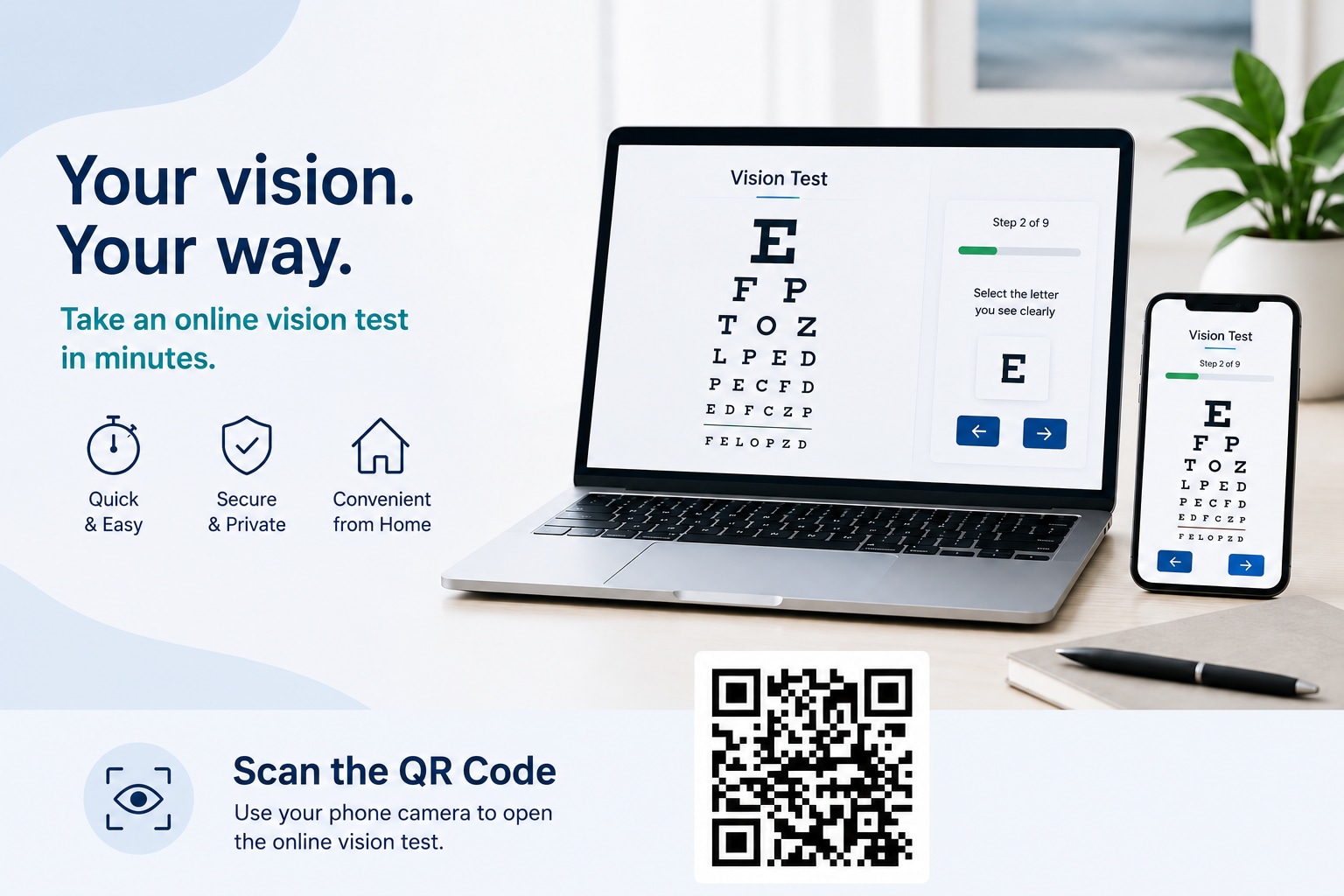
The online vision test is for people who already wear glasses or contacts and have no new eye symptoms. If you have eye pain, redness, sudden vision changes, or a new medical concern, schedule an in-person eye exam instead.
First-time contact lens wearers still need an in-person contact lens fitting. Contacts sit directly on the eye, so an eye care professional needs to check lens fit, movement, comfort, and eye health before starting to wear contacts.
Buying Doctor-Prescribed Contact Lenses and Eyeglasses Online
Restocking is easier once your prescription is current. For contacts, review the lens name, power, base curve, diameter, and replacement schedule, while glasses wearers should check frame size, lens needs, and prescription details.
Confirm these prescription details:
- Contact lens or eyeglass frame name
- Prescription power for each eye
- Base curve and diameter for contacts
Then check the order details that affect fit, timing, and savings:
- Frame size for glasses
- Contact lens replacement schedule
- Available rebates
- Shipping timing
Use the exact contact lenses listed on your prescription. For eyeglasses, choose frames that match your prescription, fit needs, and daily wear style.
Contact Lenses vs Glasses FAQs
Are Contacts Better Than Glasses?
Contacts are better for active days, sports, and wider side vision. Glasses are better for simple wear, dry eyes, and low-maintenance routines.
Do Contacts Give Better Vision Than Glasses?
Contacts give a wider field of view since they move with your eyes. Glasses still give clear vision when prescribed and fitted correctly.
Are Glasses Safer Than Contacts?
Glasses are lower maintenance since they do not touch the eye. Contacts are safe when prescribed, cleaned, replaced, and worn as directed.
Can I Use My Glasses Prescription for Contact Lenses?
No. Contact lens prescriptions and glasses prescriptions are different. A contact lens prescription includes fit details that a glasses prescription does not include.
Do Contacts Cost More Than Glasses?
Contacts carry ongoing costs since they are replaced throughout the year. Glasses cost more upfront but last longer if your prescription stays the same.
The Better Choice Depends on Your Eyes and Routine
Contact lenses are not always better than glasses, and vice versa. The right choice gives you clear vision, feels comfortable, fits your routine, and protects your eye health.
Both make sense for most wearers. Start with your eye doctor’s guidance, then compare contacts or eyeglasses that match your prescription and daily needs.
Disclaimer: This content is for general information only and is not meant to replace professional medical advice, diagnosis, or treatment.
References
- Contact Lens Care. Centers for Disease Control and Prevention. https://www.cdc.gov/contact-lenses/prevention/index.html. Accessed June 24, 2026.
- Contact Lens Risks. U.S. Food and Drug Administration. https://www.fda.gov/medical-devices/contact-lenses/contact-lens-risks. Accessed June 24, 2026.
- Contact Lenses. American Optometric Association. https://www.aoa.org/healthy-eyes/vision-and-vision-correction/contact-lenses. Accessed June 24, 2026.
- Contact Lenses. American Academy of Ophthalmology. https://www.aao.org/eye-health/glasses-contacts/contact-lens-102. Accessed June 24, 2026.
- Online Vision Test & Eye Exam. 1-800-GET-LENS. https://www.1800getlens.com/vision-test/. Accessed June 25, 2026.