Table of Contents
Your thyroid does more than regulate metabolism. This butterfly-shaped gland in your neck produces hormones that control how your body uses energy. Certain thyroid-related conditions can also affect your eyes, causing dryness, irritation, blurry vision, and changes in eye appearance.
Some of these symptoms are associated with thyroid eye disease (TED), an autoimmune condition affecting the tissues around the eyes. Recognizing unusual changes in your eyesight can help you seek medical attention before complications develop.
How Are Thyroid Problems Connected to Eye Health?
Thyroid disorders affect hormone production. Hyperthyroidism occurs when the thyroid produces too much hormone, while hypothyroidism occurs when it produces too little.
Graves’ disease, an autoimmune cause of hyperthyroidism, is closely associated with thyroid eye disease. The immune response involved in Graves’ disease can also cause inflammation around the eyes. Eye symptoms can develop before thyroid problems are diagnosed or even when thyroid hormone levels are normal.
What Is Thyroid Eye Disease?
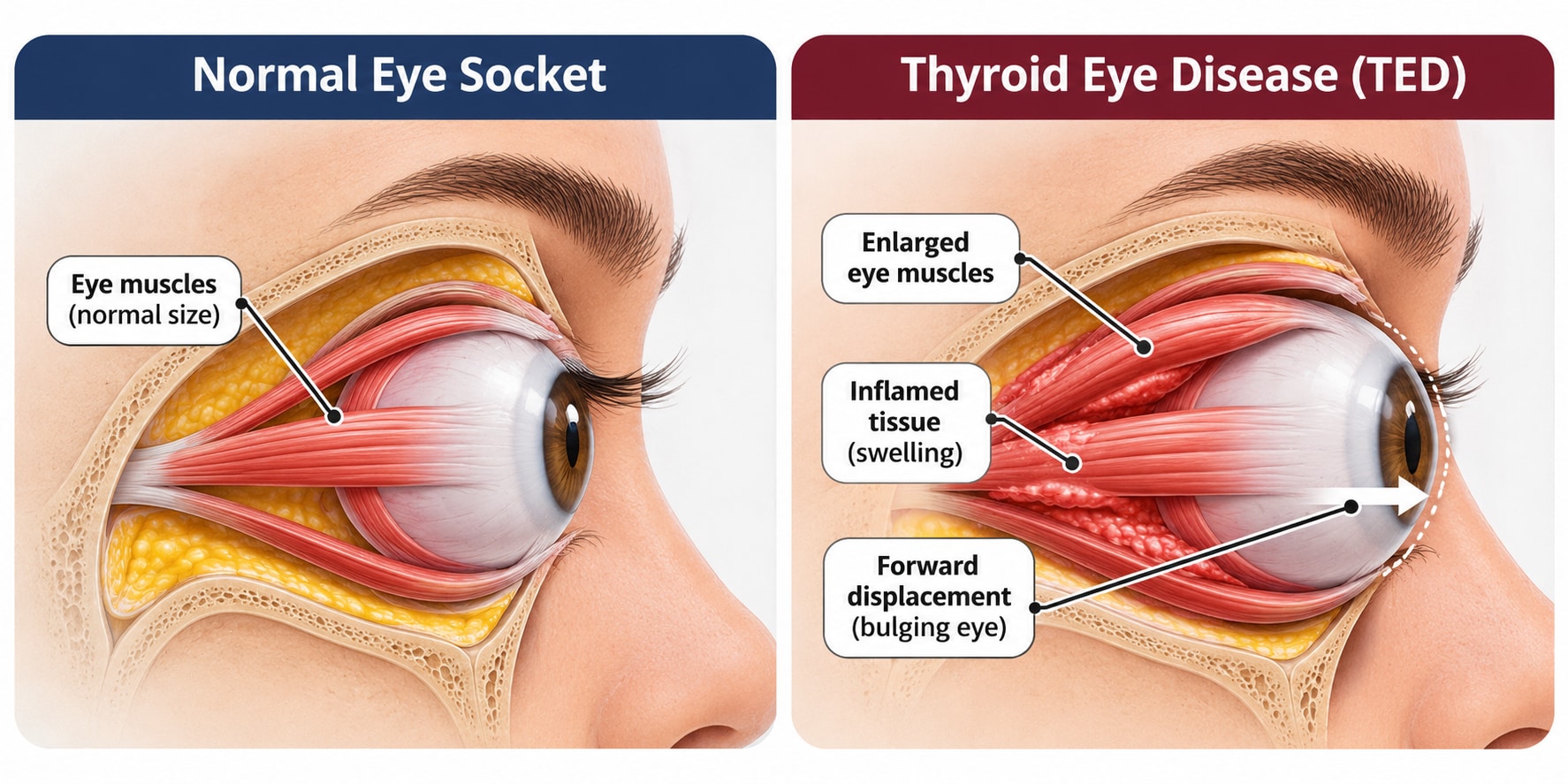
Thyroid eye disease develops when the immune system mistakenly attacks tissues and muscles surrounding the eyes. This causes inflammation, swelling, and sometimes scarring that affects eye movement and appearance.
TED progresses through two phases, namely the active phase and the inactive phase.
- Active phase occurs when inflammation develops and symptoms can worsen.
- Inactive phase begins when inflammation settles, although changes in eye appearance or movement can persist.
Symptoms range from mild irritation to serious complications that threaten eyesight.
What Are the Signs and Symptoms of Thyroid Eye Disease?
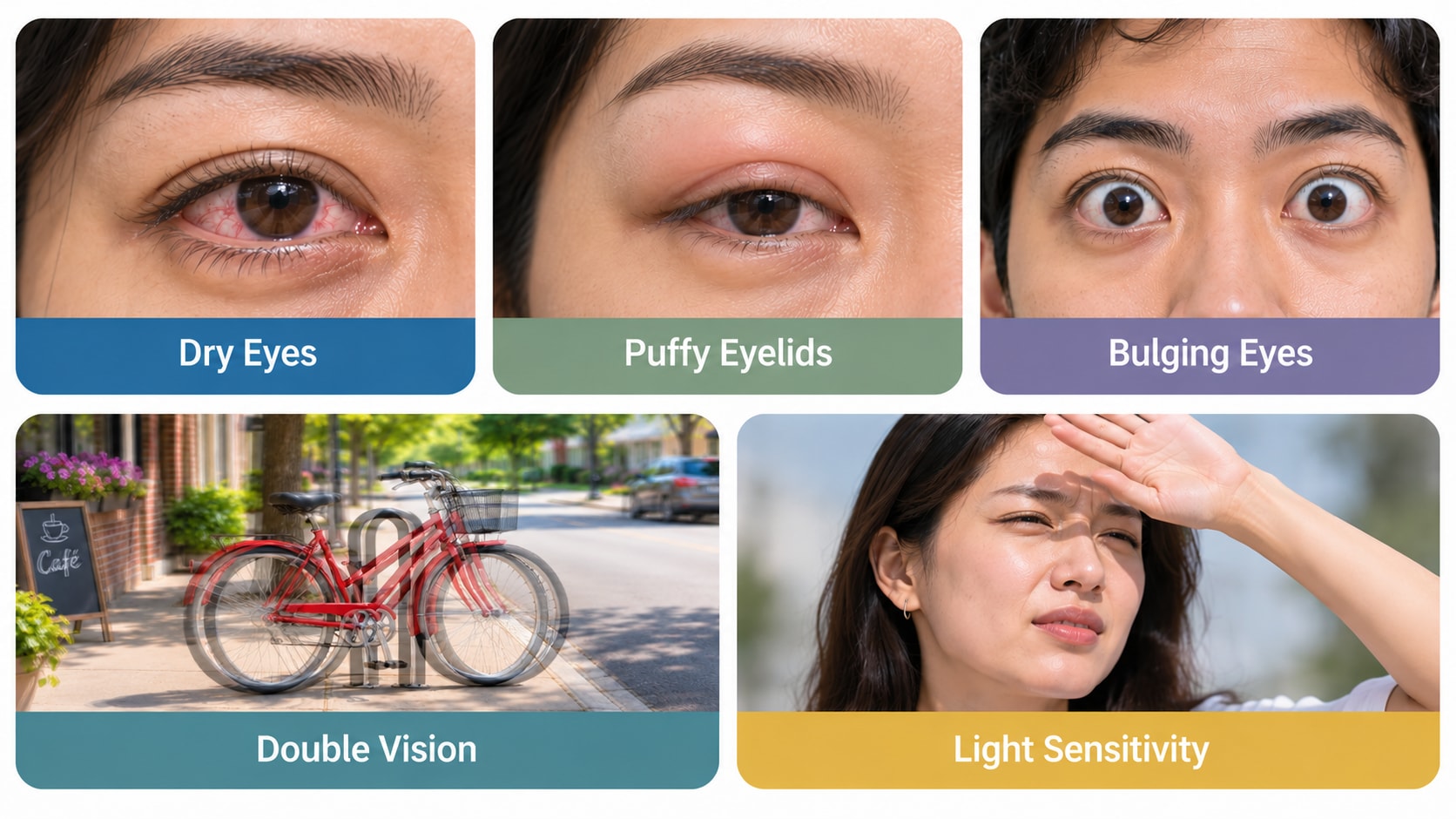
Early signs can resemble common eye irritation. Persistent discomfort can raise concerns such as “why my eye hurts when I blink,” especially when dryness or inflammation is present. Other thyroid eye disease symptoms include:
- Red, swollen, or puffy eyelids
- Dry, burning, or watery eyes
- Pressure or discomfort behind the eyes
- Increased sensitivity to bright light
- Bulging eyes or a wide-eyed appearance
- Difficulty moving the eyes
- Blurry vision or double vision
Symptoms can affect one eye more than the other. A change in eye appearance alone doesn’t indicate how serious the condition is.
How Can Thyroid Problems Affect Your Vision?
Thyroid-related inflammation can affect the eye muscles, surrounding tissues, and tear film. These changes can interfere with eye movement, visual clarity, and the eye’s ability to stay moist.
Blurry Vision and Double Vision
Blurry vision can develop when dryness disrupts the eye’s surface. Double vision, also called diplopia, occurs when swollen or stiff eye muscles prevent both eyes from pointing in the same direction.
You could notice overlapping images while reading, driving, or looking sideways. Persistent double vision requires an eye examination.

Dry Eyes and Light Sensitivity
TED can cause the eyelids to retract, exposing more of the eye’s surface. Increased tear evaporation leads to dryness, burning, irritation, and sensitivity to light.
Similar symptoms can occur with allergies, making dry eyes or eye allergies relevant when identifying possible causes of eye discomfort. Severe corneal exposure can also damage the eye’s surface, particularly when the eyelids cannot close completely.
Bulging Eyes and Changes in Eye Movement
Swelling inside the eye sockets can push the eyeballs forward, causing bulging eyes, or proptosis. Enlarged eye muscles can also restrict movement and interfere with eye alignment.
Severe swelling can compress the optic nerve, causing reduced visual clarity, changes in color perception, or missing areas of vision.
What Causes Thyroid Eye Disease?
TED develops when an autoimmune reaction affects muscles and connective tissues surrounding the eyes. Inflammation enlarges these tissues and can lead to scarring that restricts eye movement.
Several factors are associated with TED or its progression.
- Graves’ disease is the thyroid disorder most closely linked to TED.
- Smoking increases the risk of developing more severe eye problems.
- Abnormal thyroid hormone levels can contribute to worsening symptoms.
- Family history can indicate a greater tendency toward autoimmune thyroid conditions.
Managing thyroid health and avoiding cigarette smoke can help reduce factors associated with worsening TED.
How Do Eye Doctors Diagnose Thyroid Eye Disease?
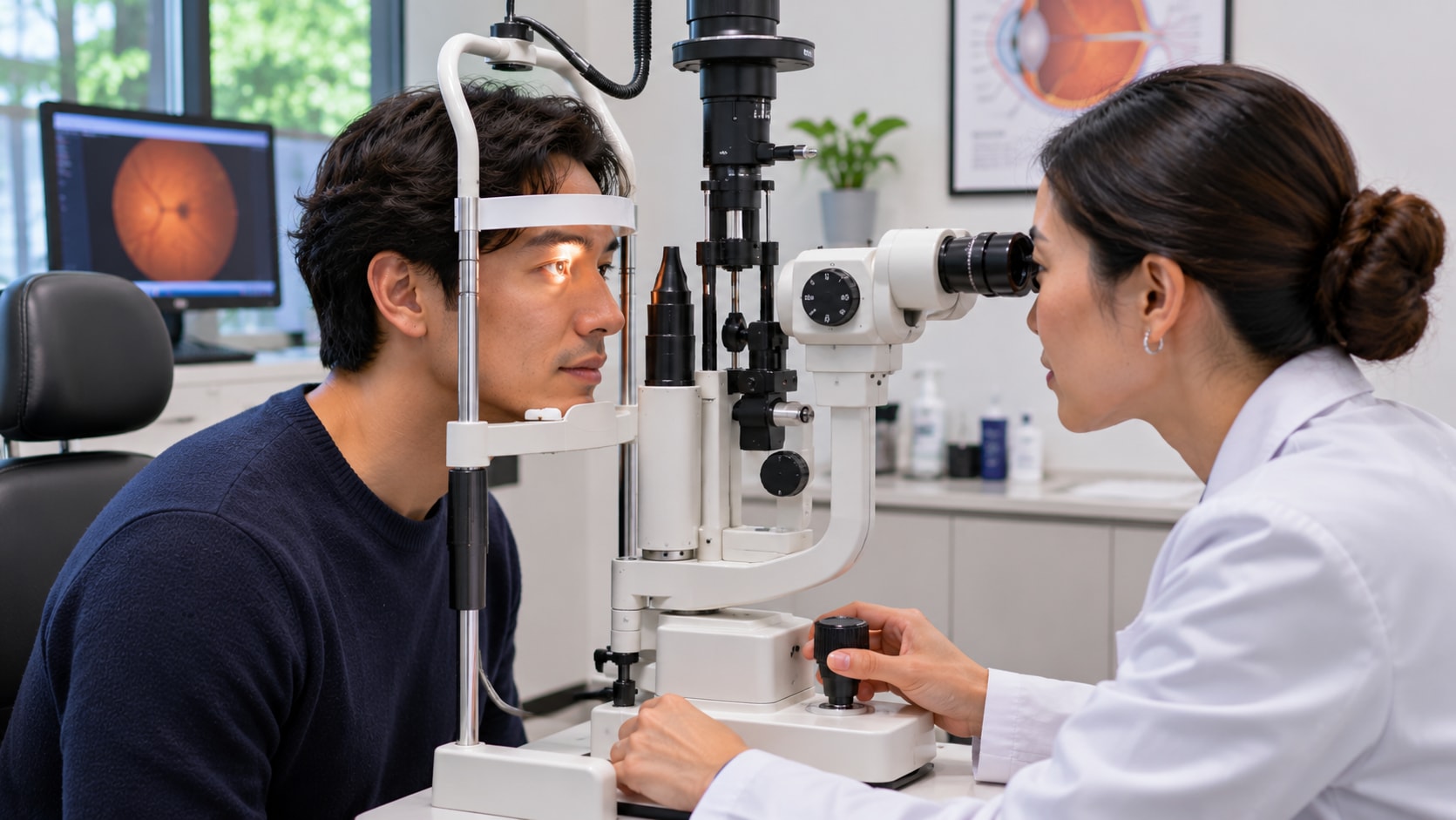
An eye doctor starts by reviewing your symptoms, medical history, and thyroid condition. The examination focuses on eye appearance, movement, and visual function. Tests can include:
- Eye examinations to assess eyelid position, eye alignment, and bulging.
- Visual acuity testing to measure how clearly you see.
- Color vision and visual field tests to check for possible optic nerve problems.
- Blood tests to assess thyroid function and related antibodies.
- CT or MRI scans to examine enlarged muscles and swollen orbital tissues when needed.
Knowing the different types of eye doctors can help you distinguish routine vision care from specialist treatment.
How Is Thyroid Eye Disease Treated?
Thyroid eye disease treatment depends on symptom severity, inflammation, and the risk of vision damage. Managing thyroid hormone levels is part of overall care, but eye-related problems can require separate treatment.
Eye Drops, Prism Glasses, and Medications
Doctors can recommend different approaches based on the symptoms.
- Artificial tears and lubricating ointments help relieve dryness and protect exposed eye surfaces.
- Prism glasses reduce certain types of double vision by helping images line up.
- Corticosteroids reduce inflammation in selected patients with active TED.
- Targeted therapies such as teprotumumab treat TED in appropriately selected patients.
Contact lens wearers experiencing persistent dryness should consult an eye doctor before continuing lens wear. Contacts for dry eyes discuss lens features associated with moisture and comfort, although regular contact lenses don’t treat TED.
Surgery for Thyroid Eye Disease
Surgery addresses serious complications or lasting changes in eye position and movement.
- Orbital decompression surgery creates more space inside the eye socket and can relieve pressure on the optic nerve.
- Eye muscle surgery improves eye alignment and can reduce persistent double vision.
- Eyelid surgery corrects certain eyelid-position problems and reduces corneal exposure.
Surgery is generally planned after inflammation settles, except when urgent treatment is needed to protect eyesight.
Can Thyroid Eye Disease Cause Permanent Vision Loss?
Severe TED can damage the optic nerve or cornea. Optic nerve compression can cause faded colors, declining visual clarity, and missing areas of vision. Severe corneal exposure can also threaten eyesight.
Permanent vision loss is uncommon, but these complications require urgent medical assessment to reduce the risk of lasting damage.
When Should You See an Eye Doctor?
Schedule an eye examination when persistent dryness, eye swelling, double vision, or changes in eye appearance develop alongside thyroid problems. Distinguishing these symptoms from how your eyes change as you get older can help you recognize changes that require professional attention.
Seek urgent medical attention for worsening vision, changes in color perception, missing areas of sight, or difficulty closing the eyelids accompanied by pain or reduced vision.
More Questions About Thyroid Problems and Eye Health
Can thyroid problems cause eye pain?
Yes. TED can cause pressure, discomfort behind the eyes, and pain during eye movement. Persistent or severe pain needs medical assessment.
Can you have thyroid eye disease with normal thyroid levels?
Yes. TED can occur even when thyroid hormone tests are normal. Eye examinations and additional testing help establish the diagnosis.
Does treating your thyroid improve eye symptoms?
Controlling thyroid hormone levels is part of managing overall health. Eye inflammation and structural changes can require separate treatment.
Can thyroid eye disease go away on its own?
Inflammation can settle over time, especially in mild cases. Eye bulging, restricted movement, and double vision can persist after the active phase ends.
Disclaimer: This content is for general information only and is not meant to replace professional medical advice, diagnosis, or treatment.
References
- Graves’ Eye Disease. National Eye Institute. https://www.nei.nih.gov/eye-health-information/eye-conditions-and-diseases/graves-eye-disease. Accessed November 12, 2026.
- Management of Thyroid Eye Disease. American Thyroid Association and European Thyroid Association. https://www.thyroid.org/management-of-thyroid-eye-disease/. Accessed November 12, 2026.
- Thyroid Eye Disease. American Thyroid Association. https://www.thyroid.org/thyroid-eye-disease/. Accessed November 12, 2026.
- Thyroid Eye Disease. EyeWiki, American Academy of Ophthalmology. https://eyewiki.aao.org/Thyroid_Eye_Disease. Accessed November 12, 2026.
- Thyroid Eye Disease (Graves’ Eye Disease). Cleveland Clinic. https://my.clevelandclinic.org/health/diseases/17558-thyroid-eye-disease. Accessed November 12, 2026.
- What Is Thyroid Eye Disease (TED) or Graves’ Eye Disease? American Academy of Ophthalmology. https://www.aao.org/eye-health/diseases/what-is-graves-disease. Accessed November 12, 2026.