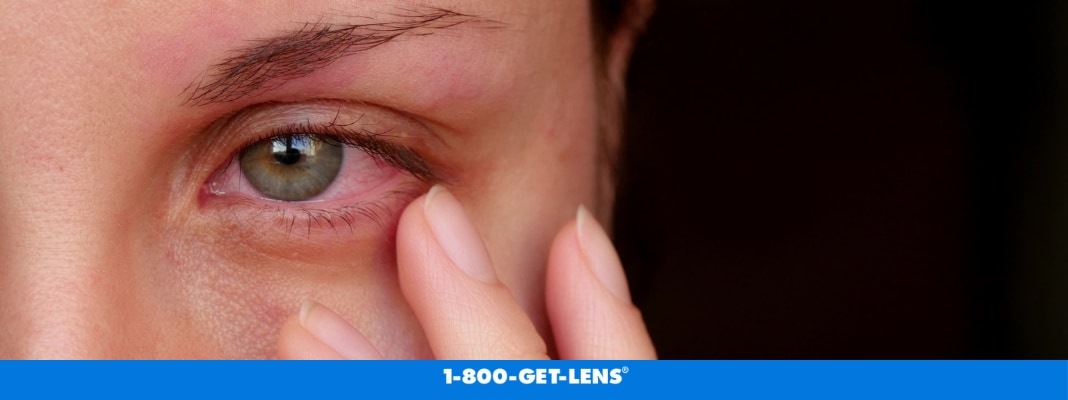
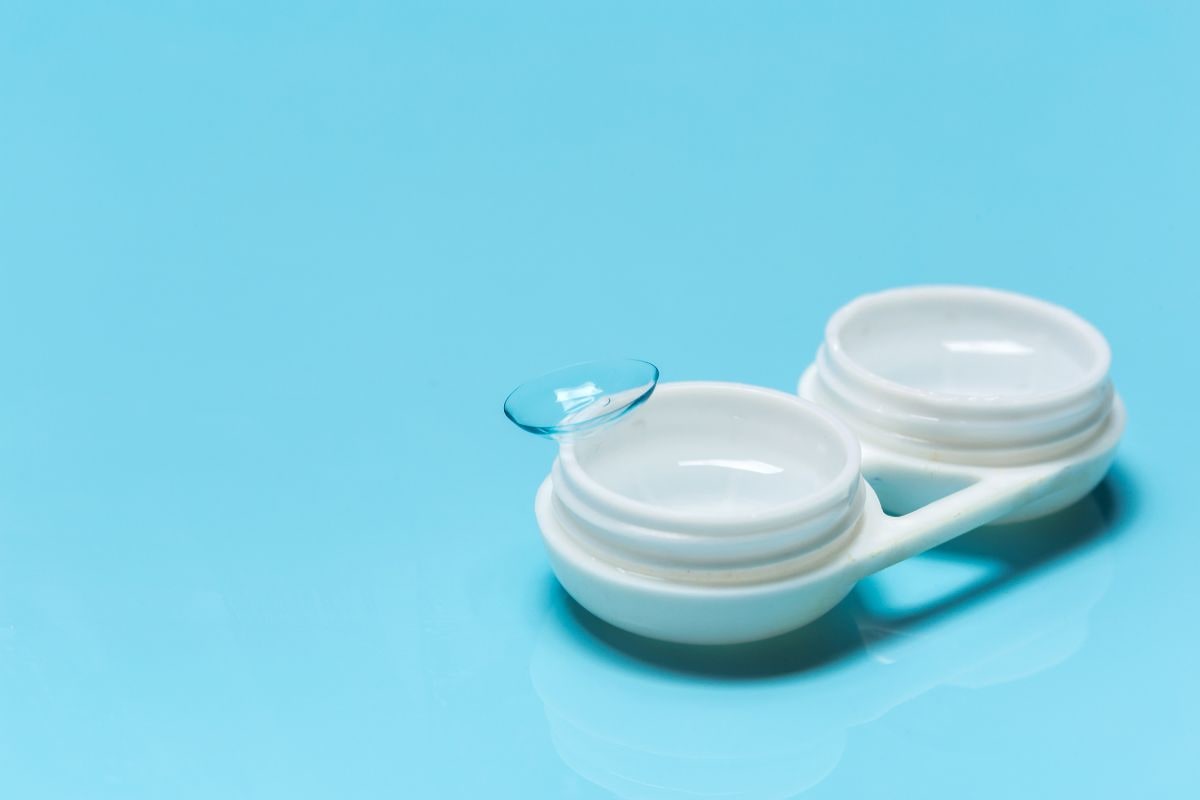
A scratched eye can happen in seconds, from a contact lens, dust, or a stray fingernail, and the sharp, gritty pain can feel alarming. Most scratched eyes, also called corneal abrasions, are minor and heal on their own with the right care.
This guide covers what to do right away, what healing looks like, and the signs that mean you need to see a doctor.
A Scratched Eye Is a Small Injury to Your Cornea
A scratched eye, or corneal abrasion, is a small scratch on the cornea, the clear surface at the front of your eye. The cornea has a lot of nerve endings, so even a shallow scratch can hurt more than its size suggests.
Most scratches affect only the surface layer and heal without lasting problems. Deeper scratches can lead to infection or scarring if left untreated.
Rinse Your Eye and Remove Your Contacts Right Away
Act quickly, but stay gentle with your eye.
Flush the eye with clean water or sterile saline, using an eyewash cup or a gentle stream
Blink several times so your tears can help clear out small particles
Pull your upper eyelid over your lower eyelid, since your lashes can sweep out debris
Remove your contact lenses right away and keep them out until your eye feels normal
Note, do not put your lenses back in just because the pain eases. The eye can still be healing.
Avoid These Common Mistakes While Your Eye Heals
A few habits can turn a minor scratch into a bigger problem.
Rubbing the eye
Removing debris with your fingers or tweezers
Wearing contact lenses while the eye heals
Using redness-relief drops without a doctor’s advice
Covering the eye with your own makeshift patch
Skipping these helps the eye heal without added irritation.
Contact Lenses Are a Leading Cause of Scratched Eyes
Contact lenses are one of the most common causes of corneal abrasions, usually from inserting or removing a lens too roughly, wearing it too long, using a dry or damaged lens, or sleeping in lenses not approved for overnight wear.
If this keeps happening, ask your eye doctor whether a different lens, such as Acuvue Oasys, Biofinity, or Dailies Total1, would lower your risk.
Normal Healing Symptoms Look Different From Warning Signs
Mild pain, redness, tearing, and some light sensitivity are common at first, and most of these ease within 24 to 48 hours. Other symptoms point to something more serious.
Usually Normal
Needs Medical Attention
Mild pain that slowly improves
Pain that keeps getting worse
Slight redness and tearing
Thick yellow or green discharge
Some light sensitivity
A white or cloudy spot on the eye
Improvement within 24 to 48 hours
Vision loss or trouble keeping the eye open
Certain situations are emergencies rather than wait-and-see cases, such as being hit by metal, glass, or a chemical, a sudden drop in vision, an uneven pupil, blood inside the eye, or something stuck in the eye. Note, never remove an embedded object yourself, get emergency care instead.
Only Certain Eye Drops Are Safe for a Healing Eye
Preservative-free artificial tears, lubricating gels, and doctor-prescribed antibiotic drops can ease irritation while your eye heals. Skip redness-relief drops and any medicated drops not meant for eye injuries, since these can mask symptoms instead of easing them.
Simple Habits Lower Your Risk of Scratching Your Eye Again
Wash your hands before touching your lenses
Clean and store lenses properly, and replace them on schedule
Keep fingernails trimmed and be careful with makeup brushes
Wear safety glasses for yard work, sports, or higher-risk activities
Avoid rubbing your eyes, even when they feel itchy
Good contact lens habits lower your risk the most.
A Scratched Eye Heals With Patience and the Right Care
Scratching your eye feels dramatic in the moment, but most corneal abrasions heal within a few days with gentle care. Rinse the eye, skip your contacts, and watch for worsening symptoms.
1-800-GET-LENS can help you find backup glasses while your eye heals and connect you with an eye doctor if something feels off.
FAQs
Can a Scratched Eye Heal on Its Own?
Yes, most minor scratches heal on their own within a few days of rest and time away from contact lenses. Deeper scratches need a doctor’s care.
How Long Does It Take for a Scratched Eye to Heal?
Most minor corneal abrasions start improving within 24 to 48 hours and are fully healed by 48 to 72 hours. There is no true overnight fix, so keep contacts out until your eye feels normal even if the pain eases fast. Deeper injuries can take longer and sometimes need follow-up care.
When Should I See a Doctor for a Scratched Eye?
See a doctor if symptoms do not improve within 24 to 48 hours, pain is severe or worsening, your vision changes, something still feels stuck in your eye, or the injury came from something dirty.
Can I Wear Contacts With a Scratched Eye?
No, contacts should stay out until your eye feels completely normal, and your doctor will likely want to confirm the injury has healed first if it was more serious.
What Should You Not Do With a Scratched Eye?
Avoid rubbing the eye, removing debris with your fingers or tweezers, wearing contacts, using redness-relief drops, or covering the eye with your own patch.