Can You Bring Contacts on a Plane? TSA Rules and Travel Tips
Table of Contents
Yes, you can bring contact lenses on a plane. The Transportation Security Administration (TSA) allows you to carry contacts in your luggage. However, if you are not prepared, wearing contacts on a long flight can lead to severe dry eye discomfort.
Are Contacts Considered a Liquid for TSA?
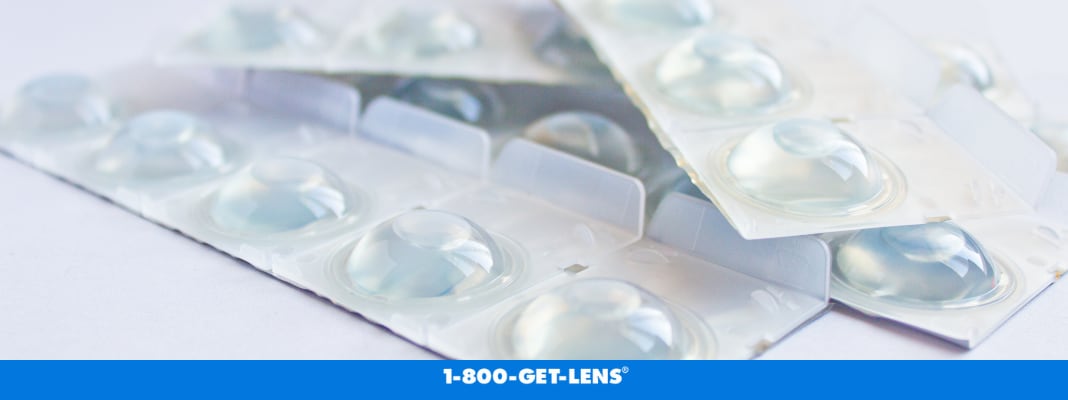
Contact lenses themselves are not considered a liquid. They are soft and often sit in saline solution, but the sealed blister packs are exempt from the standard liquid rules. The TSA will not ask you to put blister packs into your clear, quart-sized liquid bag.
However, almost every product used with contacts counts as a liquid. The standard TSA rule for carry-on liquids is the 3-1-1 Rule: containers must be 3.4 ounces (100 milliliters) or less per item, placed inside one clear, quart-sized bag, with one bag per person. Contact lens solution is considered a medically necessary liquid, which means you can technically bring a bottle larger than 3.4 ounces if you declare it to the officer.
For everyone else, it is highly recommended to pack a travel-size bottle in your carry-on and leave the full-size bottle in your checked luggage.
Why Is Airplane Air So Hard on Contacts?
Airplane cabin air is a major source of eye discomfort. Airplanes fly at high altitudes, and the cabin air is highly dehumidified. This low-moisture environment quickly pulls water from the surface of your contact lenses and your tear film.
This process causes two main problems. First, the lens material loses moisture and begins to feel rough, gritty, and sticky against the eye. Second, low oxygen levels at high altitude can affect the cornea. This makes the eye less tolerant of dry conditions and more prone to redness and irritation. Long-haul flights without preparation can quickly make wearing contacts painful.
How to Pack Your Contact Lens Travel Kit
You must carry all your contact lens gear and accessories onboard with you. Imagine the problem of arriving at your destination only to find your lenses are in lost luggage. Your carry-on should act as the emergency VIP section for your eye care kit.
Pack a travel-sized bottle of solution. Pack extra lenses—at least two more pairs than you think you will need. Flight delays, torn lenses, and unexpected detours happen. Include your glasses and your prescription (paper or digital). Glasses are your emergency backup and your eyes’ best friend when dealing with dry cabin air. You must seal all liquid items tightly and put them in a zip-top bag to prevent leakage from cabin pressure changes.
Is It Better to Wear Glasses or Contacts on a Plane?
The decision of whether to wear glasses or contacts depends on the length of your trip and your tolerance for dryness.
Can dry out in flight, especially on longer journeys.
Can get smudgy, feel bulky, or be bumped by a seatmate.
Best Use
Short flights (under 3 hours).
Long flights, flights with sleep, or when eyes are already dry.
Can You Sleep in Contacts on a Plane?
Unless your lenses are specifically designed for overnight wear and your eye care professional approves it, do not sleep in contacts on a plane. Sleeping in regular contacts can severely dry your eyes and greatly increase your risk of infection. You are better off popping in your glasses and resting responsibly.
Final Thoughts
Traveling with contacts is easy when you follow the rules and plan for dryness. The key is to pack smart, prioritize hydration, and always have your backup glasses ready. By following these steps, you can avoid red, irritated eyes and see clearly throughout your travels.
Frequently Asked Questions
1. Is contact solution allowed in carry-on baggage? Yes. You must follow the 3-1-1 Rule for liquids (3.4 oz or less). You can bring a larger bottle if you declare it as a medically necessary liquid, but expect extra screening.
2. Should I wear daily or extended wear lenses when flying? Daily disposables are usually better for flying. They are fresh and you can toss them after the flight without needing to clean or store them, which reduces risk.
3. What is the best way to fight dryness on a long flight? Use lubricating rewetting drops approved for your specific lenses every few hours. Remove your contacts for any period of rest or sleep during the flight and switch to glasses.