Table of Contents
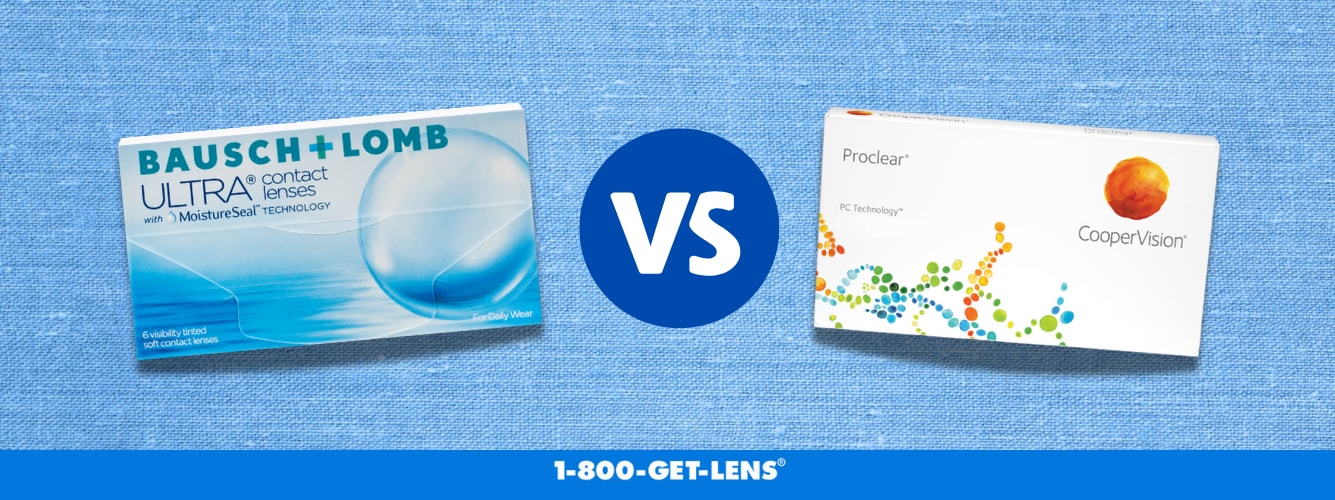
Selecting a monthly contact lens requires a look at the material science and hydration systems used by different manufacturers. Bausch + Lomb ULTRA and CooperVision Proclear are two well known monthly options. While both provide a 30 day replacement schedule, they are built from completely different materials.
Bausch + Lomb ULTRA uses a modern silicone hydrogel. CooperVision Proclear uses a traditional hydrogel. Grasping the difference between these two categories is required for any patient looking to improve their daily comfort and visual clarity. This comparison reviews the technical data and performance features of both brands to help you select the correct fit.
Material Science and Oxygen Flow
The main distinction between these two lenses is the material used to build them. ULTRA is made from Samfilcon A. This is a silicone hydrogel material that allows high levels of oxygen to pass through the lens to the eye. The oxygen transmissibility of ULTRA is 163 Dk/t. High oxygen flow is required for maintaining corneal health during long days of wear.
Proclear is made from Omafilcon A. This is a traditional hydrogel material. Hydrogel lenses were the standard for many years before silicone hydrogel became popular. Proclear has an oxygen transmissibility of 42 Dk/t. While this is significantly lower than ULTRA, Proclear focuses on a different benefit. It uses high water content and biocompatibility to soothe eyes that are sensitive to silicone materials.
MoistureSeal Technology in ULTRA
ULTRA is engineered specifically for people who spend long hours looking at digital screens. When people use computers or smartphones, they frequently blink less. This leads to the lens surface drying out and causing discomfort.
Bausch + Lomb utilizes MoistureSeal Technology to address this problem. This technology creates a lens surface that retains 95 percent of its moisture for a full 16 hours. The Samfilcon A material works to prevent dehydration of the lens throughout the day. This makes it a sound choice for office workers or students who need consistent hydration from morning until late at night.
PC Technology in Proclear
Proclear takes a unique approach to hydration using PC Technology. The PC stands for phosphorylcholine. This is a substance found naturally in human cell membranes. CooperVision integrates these molecules into the Omafilcon A material to create a lens that the eye recognizes as a natural part of itself.
This biocompatible approach allows the lens to attract and bind water to its surface. It creates a shield of water that stays intact even after many hours of wear. Proclear is the only contact lens material cleared by the FDA for the claim that they may provide improved comfort for contact lens wearers who experience mild discomfort or symptoms relating to dryness during lens wear.
Technical Specifications
| Feature | Bausch + Lomb ULTRA | CooperVision Proclear |
|---|---|---|
| Material Name | Samfilcon A | Omafilcon A |
| Material Type | Silicone Hydrogel | Traditional Hydrogel |
| Water Content | 46% | 62% |
| Oxygen Flow (Dk/t) | 163 | 42 |
| Moisture System | MoistureSeal Technology | PC Technology |
| Replacement Schedule | Monthly (30 Days) | Monthly (30 Days) |
Specialized Vision Correction Options
Both brands provide a full range of products for different vision needs. If you have astigmatism, you can use ULTRA for Astigmatism or Proclear Toric. Both designs use stabilization features to make sure the lens does not rotate on the eye. If the lens rotates, your vision will become blurry.
For patients with presbyopia, both brands provide multifocal options. ULTRA for Presbyopia and Proclear Multifocal allow for clear vision at near, intermediate, and far distances. Proclear also provides a specific XR version for patients with very high prescriptions that fall outside the standard range. This makes Proclear a versatile choice for patients with complex refractive errors.
Daily Habits and Selection Factors
Choosing between ULTRA and Proclear relies on your specific environment and eye sensitivity. You should consider your daily routine when making a choice.
- Digital device use. If you spend most of your day on a computer, the MoistureSeal Technology in ULTRA is designed for your needs.
- Sensitivity to silicone. Some patients find that silicone hydrogel lenses irritate their eyes. In these cases, the traditional hydrogel material in Proclear is a better fit.
- Dry eye symptoms. If you have a medical diagnosis of dry eyes, the FDA cleared claim of Proclear makes it a strong candidate for your next exam.
- Long wear times. If you wear your lenses for more than 14 hours a day, the high oxygen flow of ULTRA supports better corneal health.
- Value and cost. Both lenses are monthly disposables, which provides a lower cost per day compared to daily disposable lenses.
Frequently Asked Questions
Can I sleep in ULTRA or Proclear lenses?
ULTRA is approved for up to six nights of extended wear if your doctor confirms it is safe for you. Proclear is not typically recommended for overnight wear. You should always follow the specific instructions provided by your eye care professional.
Which lens is better for allergies?
Proclear is frequently recommended for patients with allergies because the PC Technology resists deposit build-up. However, many doctors suggest switching to a daily disposable lens during high allergy seasons to make sure a fresh lens is used every day.
Does ULTRA provide UV protection?
ULTRA does not list specific UV blocking features in its Samfilcon A material. If you need UV protection, you should look at Acuvue products or wear high quality sunglasses when you are outdoors.
Sources
FDA: Contact Lenses: fda.gov/medical-devices/contact-lenses
FTC: Contact Lens Rule guide + FAQs: ftc.gov/business-guidance/resources/contact-lens-rule-guide-prescribers-sellers
Bausch + Lomb: ULTRA Product Details: https://www.google.com/search?q=bausch.com/ecp/our-products/contact-lenses/monthly-silicone-hydrogel-lenses/ultra-contact-lenses
CooperVision: Proclear Product Details: coopervision.com/practitioner/our-products/proclear-family/proclear-sphere
CDC: Contact Lens Safety: cdc.gov/contact-lenses/care/index.html