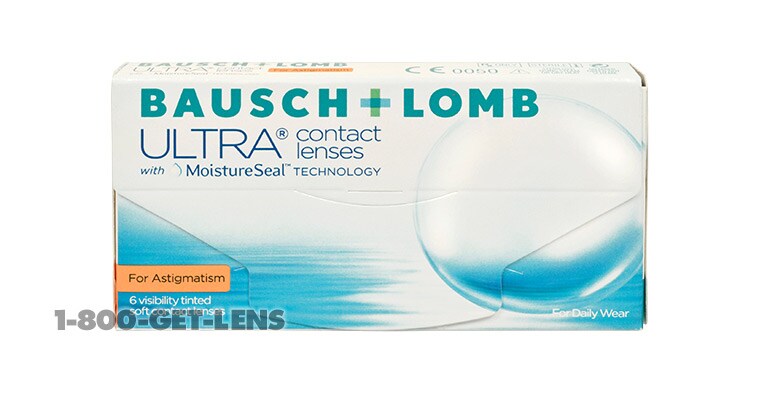
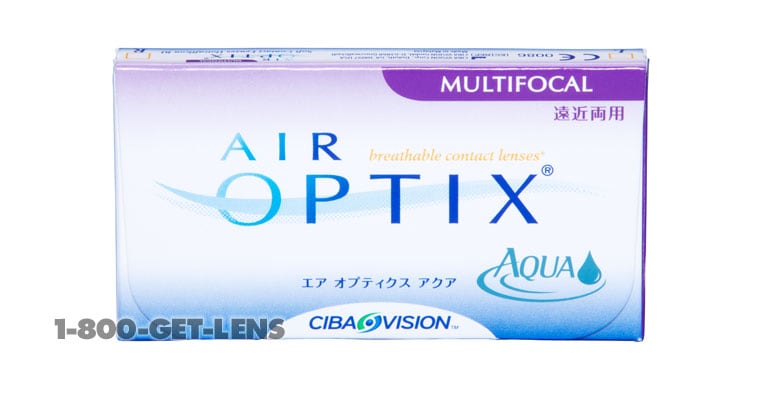
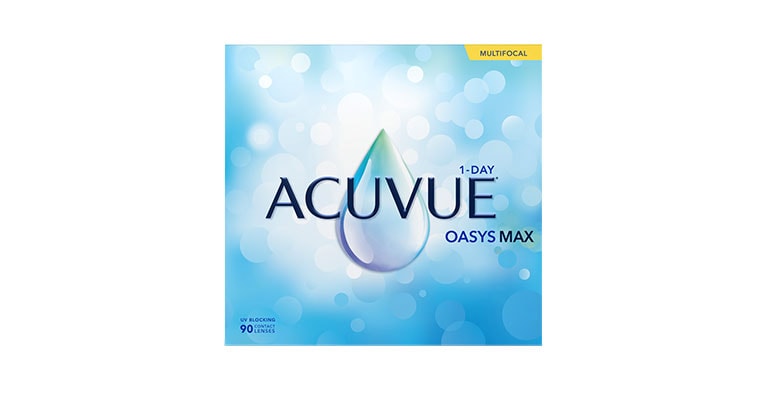
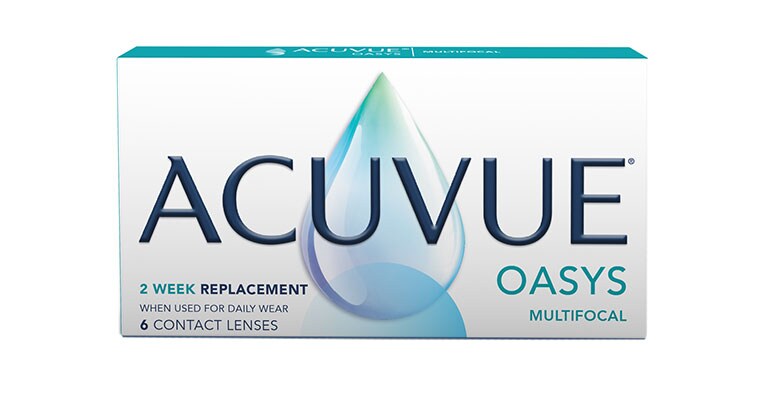
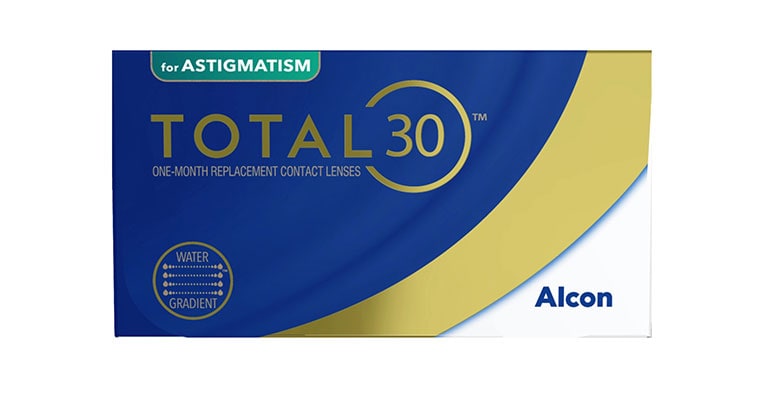
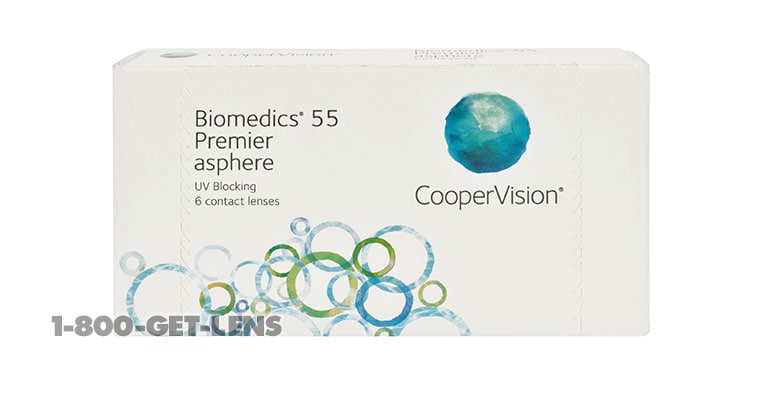
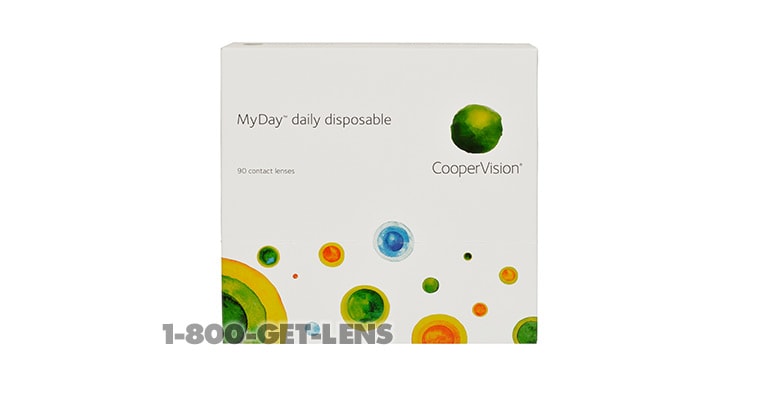
The right contact lenses depend on your prescription, eye health, wearing habits, and the lens design recommended during your fitting.
Start with your prescription.
Your contact lens prescription includes details such as lens power, base curve, diameter, and the prescribed brand or material. These specifications help determine which lenses are suitable for your eyes.
Consider your vision needs.
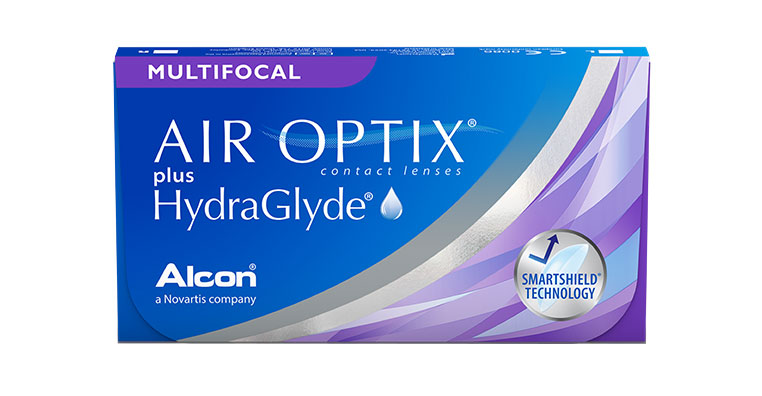
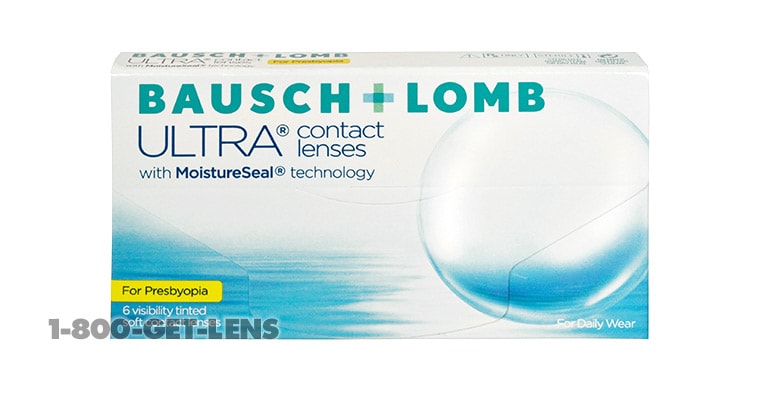
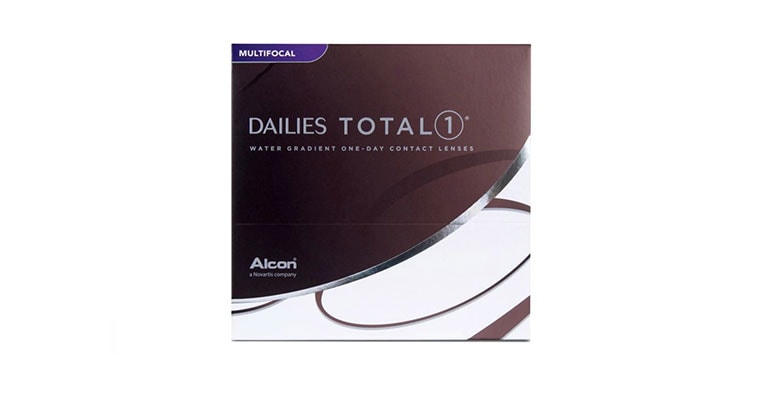
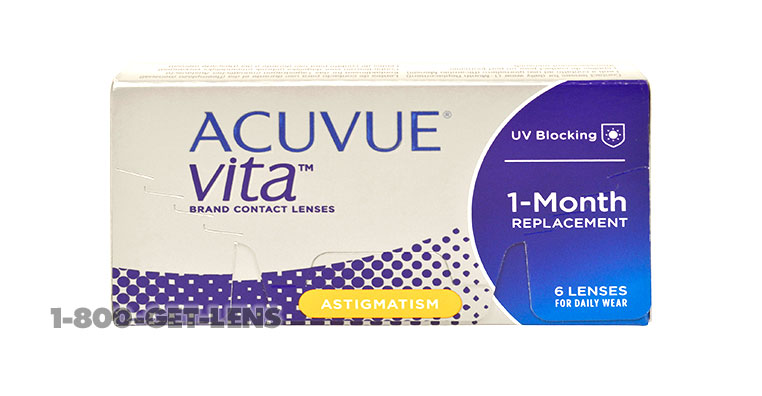
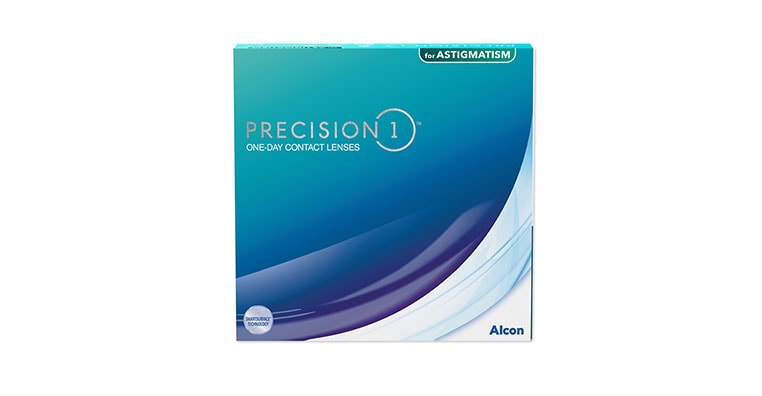
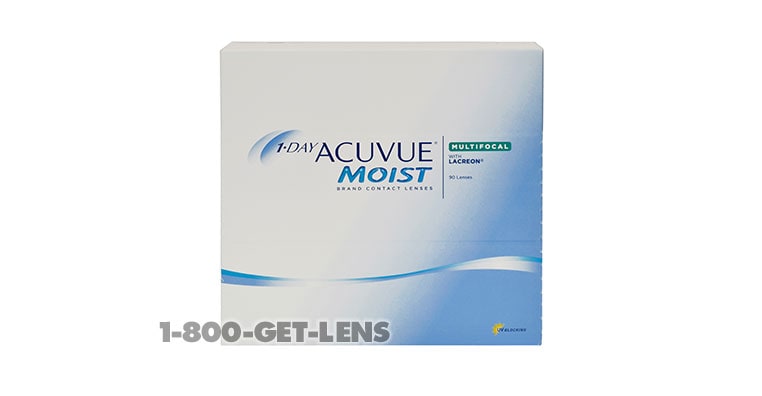
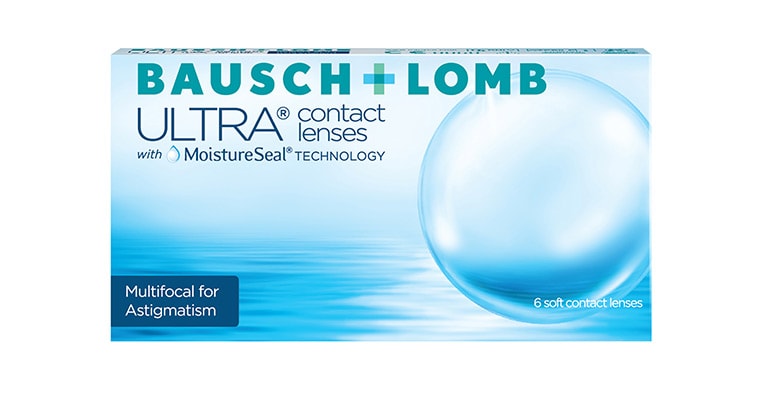
Standard, toric, and multifocal contact lenses are designed to address different types of vision correction. Your prescription and eye exam results can help determine which lens design fits your needs.
Choose a suitable replacement schedule.
Contact lenses are available in schedules such as daily disposable, bi-weekly, and monthly replacement. The right schedule depends on the specific lens prescribed and how frequently you plan to wear contacts.
Follow your eye care provider's recommendation.
Contact lenses need to fit properly and provide suitable vision correction for your eyes. Following the prescribed wearing, replacement, and care instructions can also support safer, more comfortable lens use.
How Daily, Bi-Weekly, and Monthly Contact Lenses Differ
Daily, bi-weekly, and monthly contact lenses mainly differ in how long each pair is used before replacement. The prescribed schedule should always be followed rather than extending wear beyond the recommended period.
Daily Contact Lenses
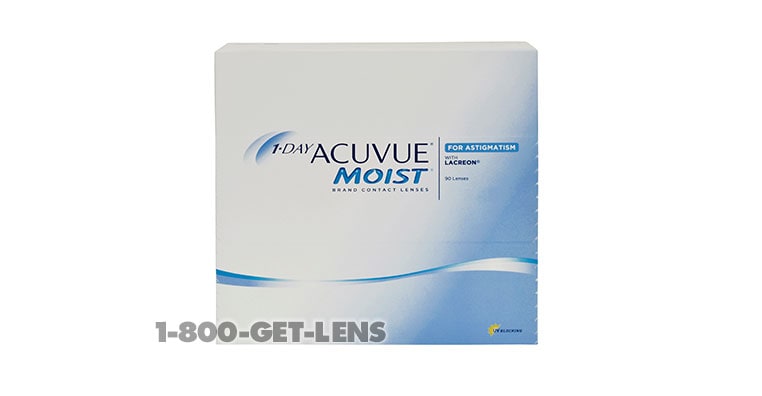
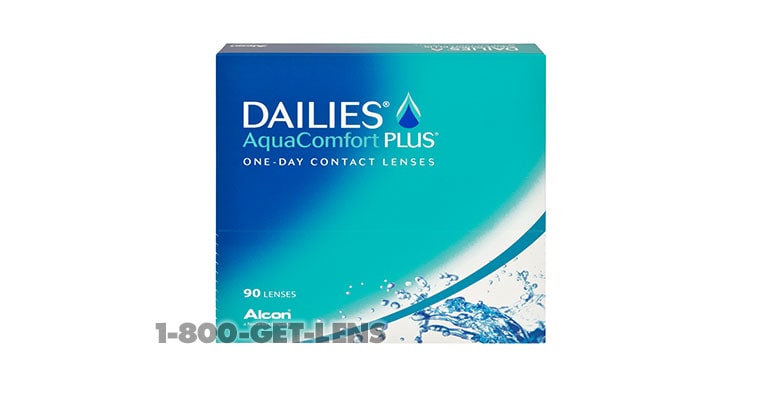
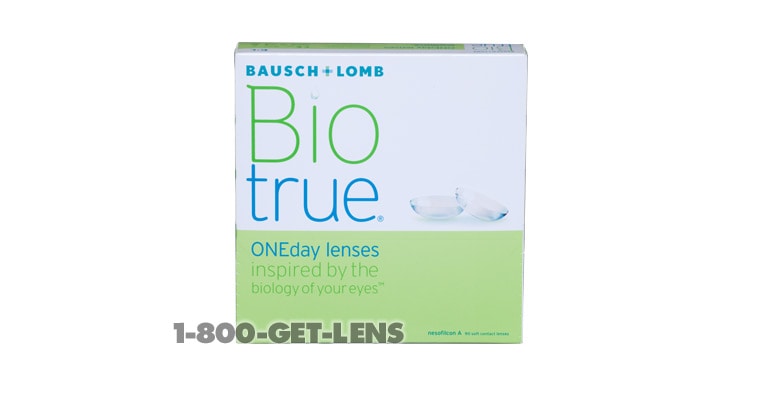
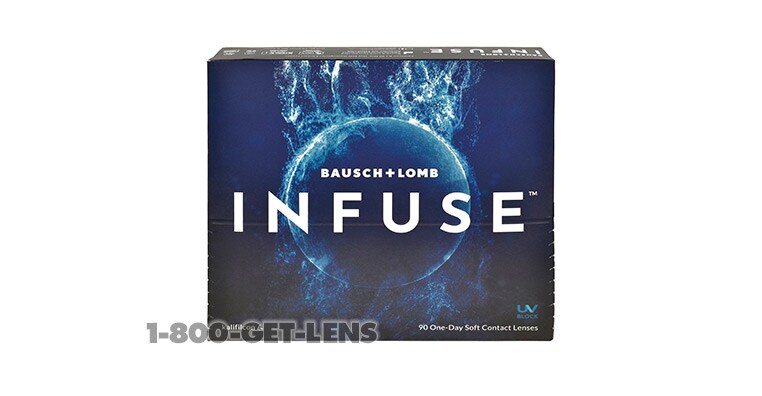
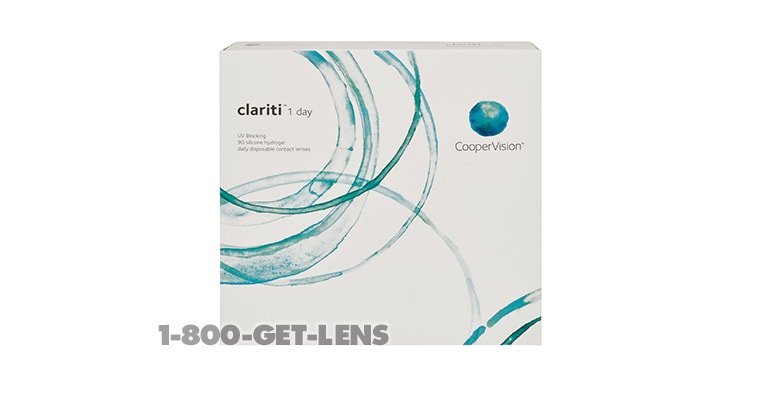
Daily disposables are worn for one day and discarded after removal, so you start with a fresh pair each time. They also eliminate the need to clean and store the lenses overnight.
Bi-Weekly Contact Lenses
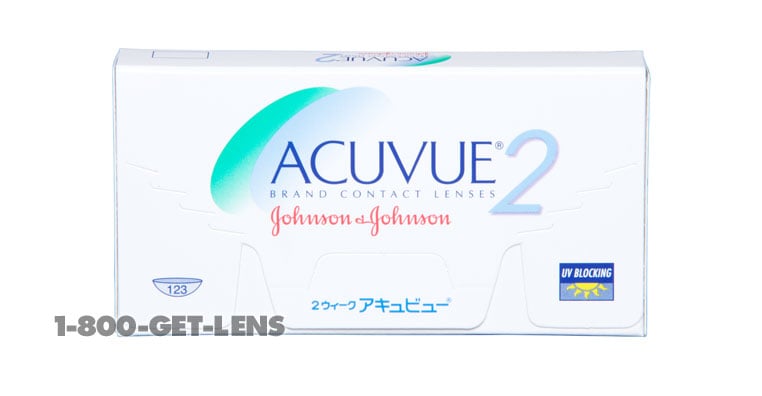
Bi-weekly lenses are typically replaced every two weeks and require cleaning and proper storage between wears. They can suit wearers who prefer a reusable lens with a shorter replacement cycle.
Monthly Contact Lenses
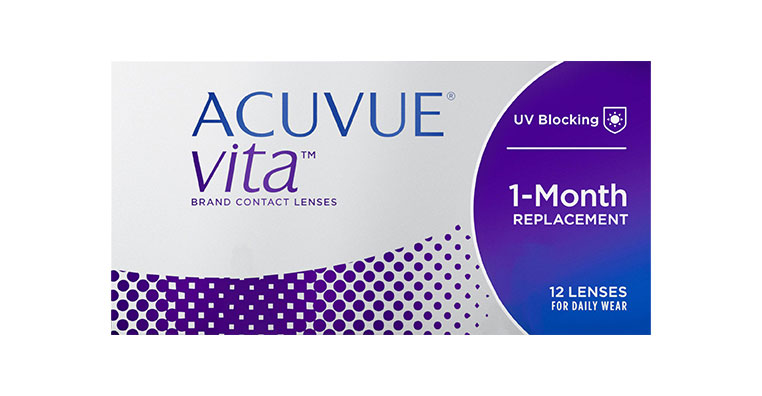
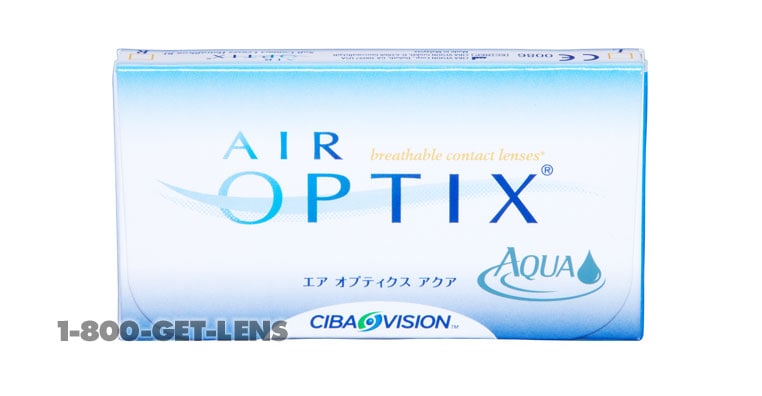
Monthly lenses are designed for planned replacement about once a month when prescribed for that schedule. Like other reusable lenses, they need regular cleaning, disinfection, and proper storage between uses.