Light blue contacts work better when the shade strength matches how visible you want the color to be. Some wearers want a barely-there blue wash, while others want a brighter tone that shows clearly in photos. The lens routine also matters, since daily and monthly options fit different habits.
Soft Blue Lenses for Subtle Brightness
Soft blue lenses suit wearers who want a lighter eye color without a strong makeup-like effect. This type of shade can work well for pale or medium eyes that already show some cool tones. It can also be a cleaner option for daytime outfits and simple makeup.
Brighter Blue Lenses for More Visible Color
Brighter blue lenses suit wearers who want the color to stand out more clearly. Shades such as Brilliant Blue or True Sapphire can create stronger contrast, especially when the lens pattern has enough coverage. Brown-eyed wearers should look closely at opacity and product images before choosing.
Daily and Monthly Blue Lens Routines
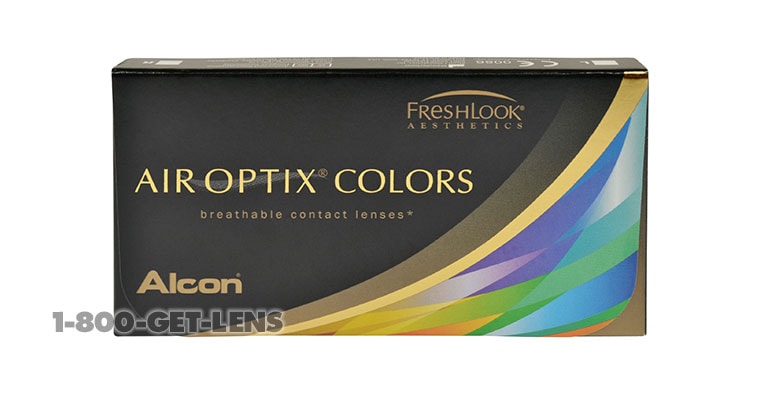
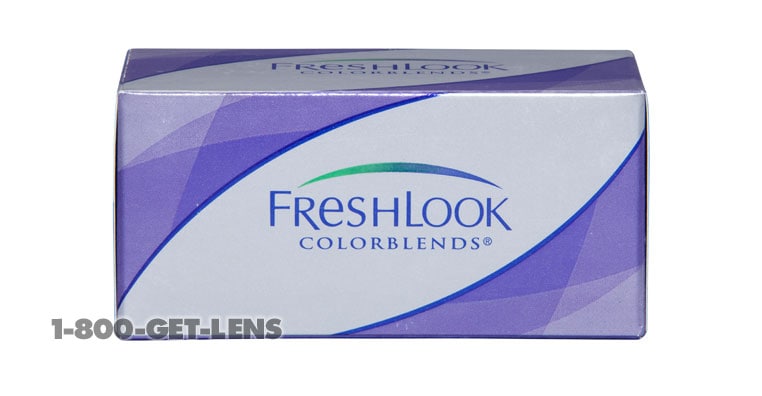
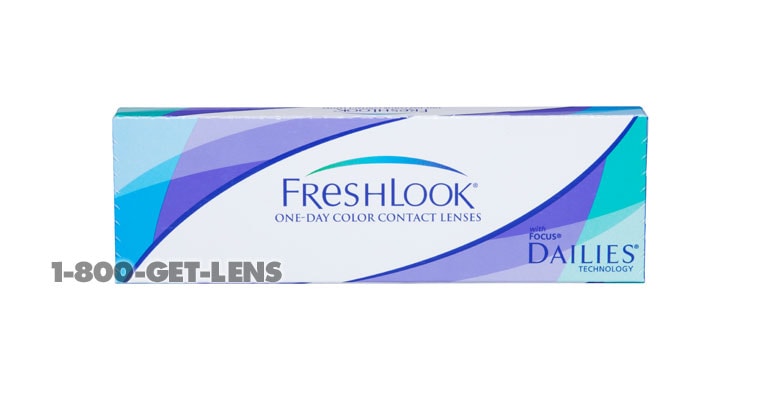
FreshLook One-Day gives wearers a daily Blue option for single-use wear. Air Optix Colors and FreshLook ColorBlends follow a monthly routine, which means cleaning, storage, and scheduled replacement. The better fit depends on how often you plan to wear blue lenses and what your prescription lists.
Prescription Details That Matter for Blue Color Lenses
Blue shade names can sound similar, but product lines are not interchangeable. A FreshLook One-Day Blue lens is not the same as an Air Optix Colors Blue lens, even when the shade name feels close. Use your prescription to match the lens before comparing color names.
- Match the exact product name on your prescription. Air Optix Colors, FreshLook ColorBlends, and FreshLook One-Day have different fits, materials, shade patterns, and wear schedules.
- Review the exact blue shade before ordering. Blue, Brilliant Blue, True Sapphire, and Turquoise create different levels of brightness, depth, and blue-green tone.
- Confirm whether you need corrective power or plano lenses. Plano light blue contacts change eye color only, but you still need a valid contact lens prescription.
- Check base curve and diameter before checkout. These values affect how the lens rests on your eye and should match the fit your eye doctor selected.
- Follow the product's replacement routine. Daily lenses are discarded after one use, while monthly blue lenses need cleaning, storage, and planned replacement.
Light blue contacts should match your shade goal and your prescription details at the same time. If the color looks right but the fit feels wrong, stop wear and ask your eye doctor about another blue lens option.