Dry eye syndrome (DES) is a common condition affecting millions, particularly among older adults. As people age, tear production and quality often decline, leading to symptoms such as dryness, irritation, blurry vision, and discomfort. For those wearing contact lenses, these effects can be even more pronounced.
This blog explores the link between aging and dry eye syndrome, including its causes, symptoms, and practical tips to manage the condition effectively.
Why Does Aging Cause Dry Eye Syndrome?
As we age, our body undergoes changes that affect various systems, including the eyes. One significant impact is on tear production, which often diminishes over time, leading to dry eye syndrome. This condition develops due to several age-related factors, each contributing to the discomfort and irritation associated with dry eyes.
Aging can reduce the output of the lacrimal glands, the small but important structures responsible for tear production. With less tear volume, the eyes are unable to maintain adequate moisture levels, making them more prone to dryness and irritation. Plus, the composition of tears can shift with age. Tears are made up of three essential components—water, oil, and mucus—that work together to maintain eye hydration. Changes in the balance of these layers can cause tears to evaporate more quickly, leaving dry patches on the surface of the eye.
Hormonal changes, particularly in women, further amplify this issue. Menopause often leads to reduced estrogen levels, which play a vital role in tear production. This makes postmenopausal women especially susceptible to dry eye syndrome. These combined factors make aging a significant risk factor for developing this condition, highlighting the importance of proactive eye care as we grow older.
Symptoms of Dry Eye Syndrome in Older Adults
Symptoms of DES can vary from mild to severe and may worsen as you age. Common signs include:
- Persistent dryness or irritation
- A stinging or burning sensation
- Redness and inflammation
- Sensitivity to light
- Difficulty wearing contact lenses
- A feeling of something “gritty” in the eyes
- Blurry vision that worsens throughout the day
If left untreated, chronic dry eye syndrome can lead to further complications, including corneal damage and an increased risk of eye infections.
Risk Factors Beyond Aging
While aging plays a significant role in the development of dry eye syndrome, other factors can heighten its severity, particularly for older adults. Certain medications, such as antihistamines, antidepressants, and blood pressure drugs, are known to decrease tear production, contributing to eye dryness. Environmental conditions like dry or windy climates and constant exposure to air conditioning can also worsen symptoms by accelerating tear evaporation.
Modern lifestyle habits, such as prolonged screen time, further exacerbate dryness by reducing the frequency of blinking, which is essential for keeping the eyes lubricated. Also, eye surgeries like LASIK may temporarily disrupt tear production, causing or amplifying dry eye symptoms. These factors, combined with aging, underscore the importance of recognizing and addressing dry eye triggers to maintain ocular comfort.
Managing Dry Eye Syndrome: Effective Strategies
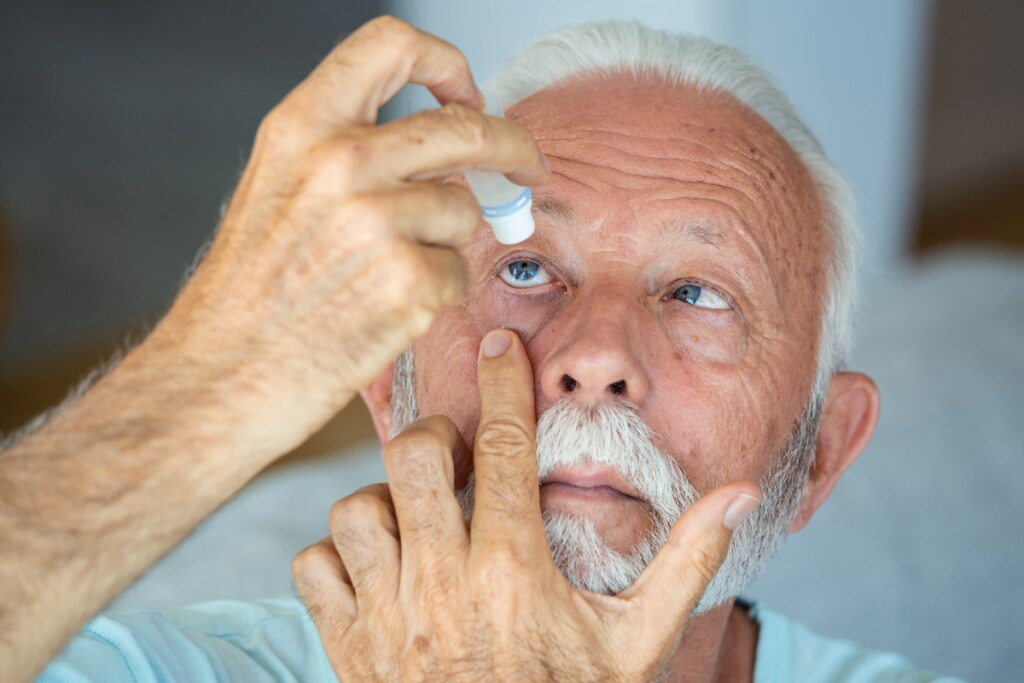
Although aging is unavoidable, there are several ways to manage dry eye syndrome and improve eye comfort:
Use Artificial Tears
Over-the-counter lubricating eye drops can provide immediate relief by supplementing your natural tears. They help reduce irritation and dryness, especially during prolonged screen use or in dry environments. For frequent application, opt for preservative-free formulas, as they are less likely to cause irritation or allergic reactions with long-term use.
Stay Hydrated
Dehydration can worsen dry eye symptoms by reducing overall tear production. Aim to drink at least eight glasses of water daily to keep your body, including your eyes, well-hydrated. Limiting caffeine and alcohol, which can contribute to dehydration, can also help maintain adequate moisture levels.
Apply Warm Compresses
A warm compress helps stimulate the meibomian glands in the eyelids, which produce the oil layer of tears. Regular use can improve tear quality, reduce evaporation, and alleviate eyelid inflammation. Gently massage your eyelids after applying the compress for enhanced benefits and relief.
Adjust Your Environment
Environmental changes can make a big difference in managing dry eyes. Use a humidifier to add moisture to indoor air, especially in dry or air-conditioned spaces. Avoid sitting directly in front of fans, heaters, or air vents that can dry out your eyes. When outdoors, wear wraparound sunglasses to protect against wind, dust, and other irritants.
Consider Omega-3 Supplements
Omega-3 fatty acids, found in foods like salmon, flaxseeds, and walnuts, have anti-inflammatory properties that can improve tear production and reduce dry eye symptoms. Supplements are an alternative for those who may not consume enough through their diet. Consult your doctor to determine the right dosage and ensure it fits your health profile.
Contact Lenses and Dry Eye Syndrome: What to Know
For older adults who wear contact lenses, managing dry eyes requires extra attention. Here’s how you can maintain eye health while wearing contacts:
- Choose Lenses for Dry Eyes – Look for contact lenses designed specifically for dryness relief, such as DAILIES TOTAL1, Biofinity Energys, or ACUVUE OASYS 1-Day with HydraLuxe. These lenses use advanced hydration technologies to keep your eyes moist throughout the day.
- Switch to Daily Disposable Lenses – Daily disposables eliminate the need for cleaning and reduce the risk of deposit buildup, offering better comfort for those with dry eyes.
- Use Rewetting Drops – Lubricating drops can help hydrate the lenses and prevent discomfort during wear. Be sure to choose a contact lens-safe formula.
- Take Breaks from Contacts – Alternate between wearing glasses and contact lenses to give your eyes a break and allow them to rehydrate naturally.
Take Charge of Your Eye Health
Aging and dry eye syndrome often go hand in hand, but that doesn’t mean you have to live with discomfort. By understanding the causes and symptoms of dry eyes, adopting effective management strategies, and consulting with your eye care professional, you can maintain clear, healthy vision at any age.
For older adults who wear contact lenses, selecting the right type of lenses and practicing proper care are key steps to ensure comfort and reduce irritation. Whether it’s trying daily disposables, using lubricating drops, or incorporating omega-3s into your diet, small changes can make a big difference.
Your eyes are worth it—take the time to prioritize their care and enjoy lasting comfort, no matter your age.