Daily Disposable Contact Lens Mistakes To Avoid For Better Eye Health

Table of Contents

Starting a vision care plan with daily disposable contact lenses provides a high level of hygiene and convenience for modern lifestyles. These lenses are designed for single use which means they are discarded every night after being worn for a day. While the process seems straightforward, many wearers make noteworthy errors that can compromise their ocular health. This guide reviews the most frequent mistakes made with daily disposables and provides safer alternatives to maintain clear vision throughout 2026.

Selecting daily lenses like Dailies Total 1 or Acuvue Oasys 1-Day allows for a fresh start every morning without the need for cleaning solutions or storage cases. However, you must treat these medical devices with care to avoid complications. Comprehending the science behind lens materials and hygiene helps you maximize the benefits of your prescription while keeping your eyes comfortable.

The Danger Of Reusing Single Use Lenses

The most significant mistake a wearer can make is attempting to wear a daily lens for more than one day. Daily disposables are manufactured with thinner materials that do not withstand the repeated handling and cleaning required for reusable lenses. When you wear a daily lens for a second or third time, protein and lipid deposits from your tears begin to build up on the surface.

These deposits create a rough texture that can cause microscopic scratches on the cornea. Furthermore, the material used in brands like Precision1 or MyDay is specifically engineered for a single wear cycle. Stretching the use of a lens reduces its oxygen transmissibility which is a fundamental requirement for keeping the eyes white and healthy. If you run out of lenses, you should use your glasses until you can take an online vision test to renew your prescription and order a fresh supply.

Risky Situations And Safer Alternatives For Daily Wearers

Identifying a risky habit is the first step toward better ocular health.

Risky Situation Potential Outcome Safer Professional Action
Reusing a daily lens for a second day Bacterial infection or corneal ulcers. Discard every pair after one use.
Putting a daily lens in a storage case Contamination from the container. Throw away any lens removed mid day.
Napping or sleeping while wearing lenses Severe oxygen deprivation to the cornea. Remove lenses before any period of sleep.
Showering or swimming with lenses in Parasitic infections from tap water. Keep all water away from your contacts.
Using tap water to rinse a lens Exposure to harmful microorganisms. Use only sterile saline for rinsing.

Warning Signs That Require Immediate Attention

Even if you follow every rule, your eyes may occasionally react poorly to environmental factors or a specific lens material. You must be able to recognize when a sensation goes beyond mild dryness and becomes a medical concern. If you experience any of the symptoms listed below, you should remove your lenses immediately and seek a professional evaluation.

  1. Redness in one or both eyes that does not improve after removing the lens
  2. A sharp or stabbing pain that feels like a foreign object is stuck in the eye
  3. Sudden blurry vision that remains fuzzy after you blink several times
  4. Excessive yellowish or greenish discharge appearing on the eyelids or lashes
  5. A strong sensitivity to light that makes it painful to be in a bright roomA feeling of pressure or swelling around the eye area

The Hazard Of Water Exposure And Hygiene Slips

Water exposure is a major risk factor for a rare but serious infection called Acanthamoeba keratitis. Tap water, pool water, and even bottled water contain microorganisms that can become trapped between the contact lens and the cornea. Daily disposables provide a specific advantage here because if they do get splashed, you can simply discard them and start fresh with a new pair.

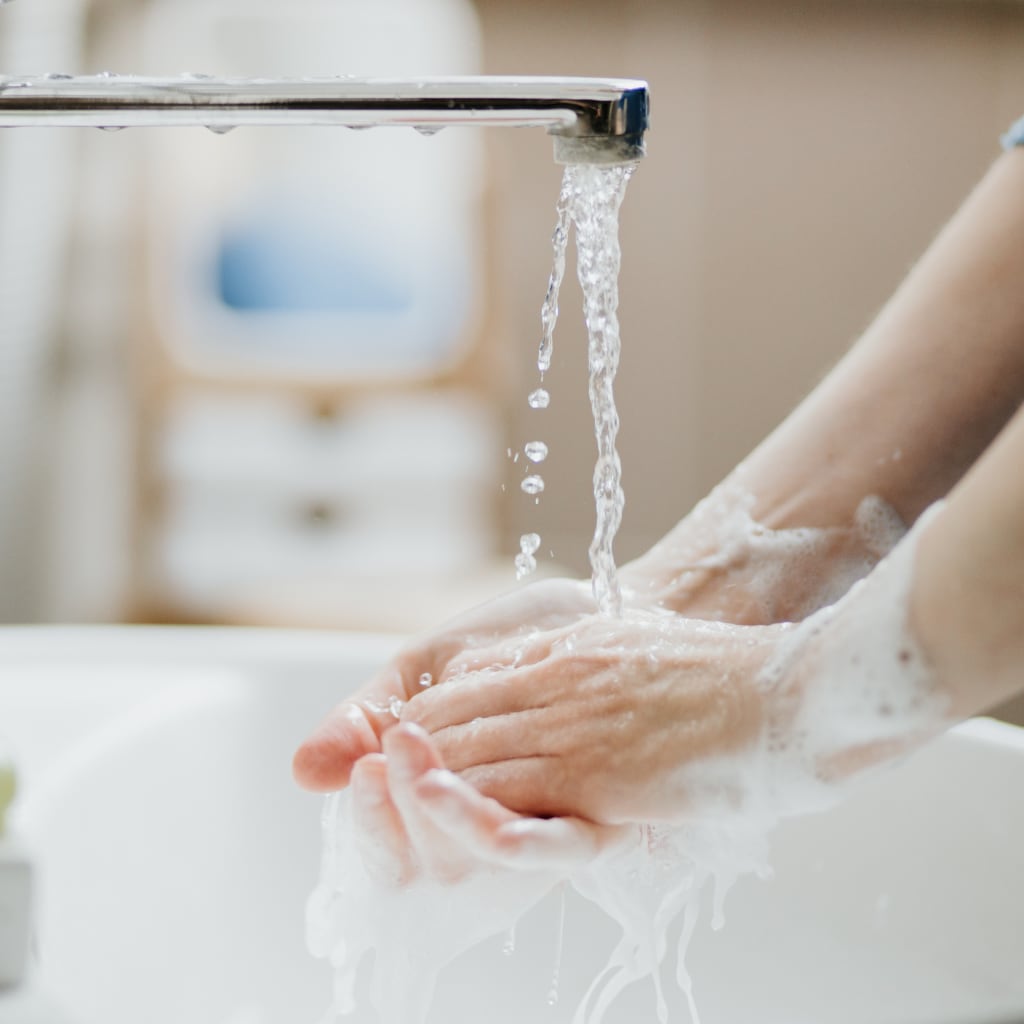
Many wearers also struggle with hygiene during travel or busy workdays. Failing to wash and dry your hands before handling your lenses is a common path for bacteria to enter the eye. If you are in a situation where clean water and soap are unavailable, you should wear your glasses instead of risking an infection. Always keep a backup pair of glasses in your bag to avoid making a dangerous decision when you are tired or in a rush. Brands like Clariti 1 Day are designed for high moisture, but they still require a completely dry environment to remain safe.

Daily Habits For Successful Lens Wear

Establishing a disciplined routine helps you avoid the most common pitfalls of contact lens use. These habits protect your long term vision and make the daily experience much smoother.

  • Wash your hands with plain soap and dry them with a lint free towel before touching your eyes
  • Check the expiration date on every blister pack before you open it
  • Verify the orientation of the lens by looking for a bowl shape with straight edges
  • Blink frequently while you are scrolling through digital devices to keep the lens moist
  • Apply rewetting drops that are specifically labeled for use with contact lenses if you feel dry
  • Take a regular break from contacts by wearing glasses in the evening

The Benefit Of Modern Silicone Hydrogel Materials

Modern daily lenses are frequently made from silicone hydrogel which allows significantly more oxygen to reach the eye than older hydrogel materials. This high oxygen flow is a noteworthy factor in preventing corneal issues and maintaining overall eye health. If you are currently wearing a lens that feels uncomfortable after six hours, you may benefit from switching to a more breathable daily material.

Upgrading your lens technology is a simple way to improve your daily experience. Newer lenses feature surface treatments that mimic the natural tear film to prevent evaporation. This technology is a required component for people who work in air conditioned offices or spend long hours looking at screens.

Final Thoughts On Daily Lens Safety

Choosing daily disposable contact lenses is a proactive step toward maintaining healthy eyes. By avoiding common mistakes like reusing lenses or exposing them to water, you protect your vision from preventable infections and discomfort. Remember that your eyes are highly sensitive and require a clean environment to function at their best.

Sources

FDA Contact Lens Information fda.gov/medical-devices/contact-lenses/contact-lenses-wearer-information

FTC Contact Lens Rule and FAQs ftc.gov/business-guidance/resources/contact-lens-rule-guide-prescribers-sellers

CDC Healthy Habits for Contact Lenses cdc.gov/contact-lenses/care/index.html

American Academy of Ophthalmology Contact Lens Safety aao.org/eye-health/glasses-contacts/contact-lens-101

American Optometric Association Vision Guide aoa.org/healthy-eyes/vision-and-vision-correction/contact-lenses