When it comes to eye care, awareness of the roles of different eye doctors can help you make informed decisions about your vision health. From diagnosing vision problems to performing surgeries, each type of eye care professional has a unique role in maintaining and improving your eye health.
In this blog, we’ll explore the three main types of eye doctors—optometrists, ophthalmologists, and opticians—and the services they provide. We’ll also introduce additional considerations like regular eye exams’ importance and how technology shapes modern eye care.
Optometrists
When it comes to your primary eye care needs, optometrists are often the professionals you turn to first. These specialists focus on providing routine eye care and managing common vision problems. They play an important role in ensuring your eyes remain healthy and functional over time.
Optometrists are not just about vision correction; they are vital in identifying and addressing potential eye health issues early. Whether detecting signs of glaucoma or helping you adjust to a new prescription, their expertise supports your immediate and long-term visual needs.
Optometrists are healthcare professionals trained to diagnose, treat, and manage various vision problems and eye conditions. They are often the first point of contact for eye care and provide a wide range of services.
What Do Optometrists Do?
- Perform comprehensive eye exams to evaluate vision and detect eye health issues.
- Prescribe corrective lenses, such as glasses or contact lenses.
- Diagnose and manage common eye conditions like nearsightedness, farsightedness, and astigmatism.
- Monitor and treat chronic eye conditions like glaucoma and macular degeneration.
Why Should You See an Optometrist?
If you experience blurry vision, eye strain, or difficulty seeing at night, an optometrist can assess your vision and provide solutions tailored to your needs. Annual visits to an optometrist are recommended to keep your prescription current and guarantee overall eye health.
Ophthalmologists
For more advanced eye care needs, ophthalmologists step in to provide medical and surgical expertise. These professionals are trained as medical doctors, allowing them to treat complex eye conditions and perform surgeries that can restore or improve vision.
Their role is particularly important for patients dealing with conditions like cataracts, macular degeneration, or diabetic retinopathy. By offering both diagnostic and surgical solutions, ophthalmologists ensure comprehensive care for intricate eye health challenges.
Ophthalmologists are medical doctors specializing in eye care, including complex conditions and surgical procedures. They provide advanced medical and surgical solutions for a variety of eye health issues.
Services Provided by Ophthalmologists
- Diagnosis and treatment of serious eye conditions, such as diabetic retinopathy, cataracts, and retinal detachment.
- Performing surgeries, including LASIK, cataract removal, and corneal transplants.
When Should You Visit an Ophthalmologist?
You should consult an ophthalmologist if you require surgery or have a complex eye condition that cannot be managed by an optometrist. For instance, if you experience sudden vision loss, persistent eye pain, or symptoms of retinal issues, an ophthalmologist is the right specialist to see.
Opticians
Opticians are your go-to experts when it comes to selecting and fitting the right eyewear. While they don’t diagnose or treat eye conditions, their role in ensuring your glasses or contact lenses suit your prescription and lifestyle is indispensable. From helping you choose stylish frames to ensuring your lenses fit comfortably, opticians bridge the gap between medical care and practical vision needs.
These professionals work closely with optometrists and ophthalmologists to deliver personalized service. Their expertise extends beyond fitting glasses; they guide you on lens coatings, materials, and maintenance, ensuring your eyewear enhances both vision and comfort.
Opticians play a vital role in helping you choose and fit the right eyewear based on your prescription and lifestyle. While they don’t diagnose or treat eye conditions, they guarantee your glasses and contact lenses meet your needs.
What Services Do Opticians Provide?
- Fitting and dispensing eyeglasses, sunglasses, and contact lenses.
- Adjusting frames for comfort and proper fit.
- Providing advice on lens materials, coatings, and features.
- Helping you select eyewear based on your lifestyle, such as sports glasses or blue-light-blocking lenses.
How Can Opticians Enhance Your Vision?
Opticians guarantee that your eyewear not only meets your prescription but also suits your daily activities. Whether you need prescription sunglasses for outdoor use or safety goggles for work, an optician can guide you to the right choice.
Why Regular Eye Exams Are Essential
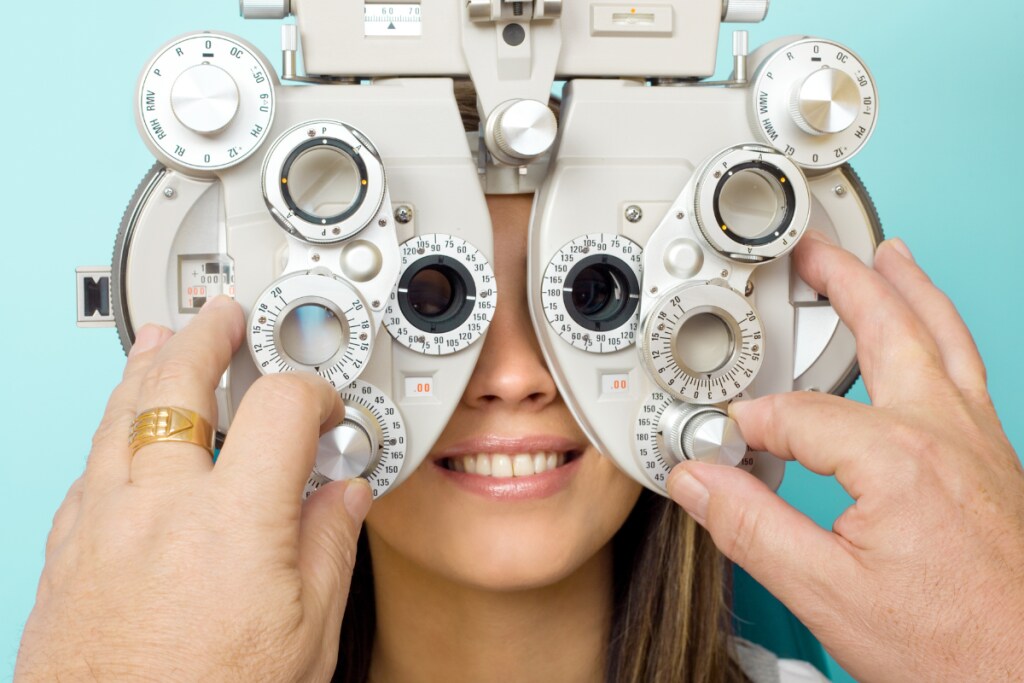
Regular eye exams are a cornerstone of maintaining good vision and overall eye health. These exams can detect early signs of conditions that may not present symptoms initially, such as glaucoma or diabetes-related eye damage.
How Often Should You Get an Eye Exam?
- Adults aged 20-39. Every 2-3 years, unless you have risk factors or existing conditions.
By prioritizing regular eye exams, you can catch potential problems early and take proactive steps to preserve your vision.
The Role of Technology in Modern Eye Care
Technology continues to revolutionize how eye care professionals diagnose and treat vision problems. Here are a few innovations shaping the field:
- Digital Retinal Imaging – Provides detailed images of the retina to detect early signs of diseases like glaucoma and diabetic retinopathy.
- Blue-Light Filtering Lenses – Address digital eye strain caused by prolonged screen use.
- Custom Contact Lenses – Advanced materials and designs cater to specific needs, such as astigmatism or dry eyes.
By incorporating these technologies, eye care providers can offer more precise diagnoses and personalized treatments.
How to Choose the Right Eye Doctor
Selecting the right eye doctor depends on your specific needs. Here’s a quick guide:
- Optometrist – Best for routine eye exams, vision problems, and managing common eye conditions.
- Ophthalmologist – Ideal for complex conditions, surgical needs, or advanced medical treatments.
- Optician – Perfect for selecting and fitting eyewear based on your prescription.
If you’re unsure which professional to see, start with an optometrist, who can refer you to an ophthalmologist or optician as needed.
FAQs About Eye Care Professionals
1. Can optometrists perform surgeries?
No, optometrists do not perform surgeries. However, they can manage pre- and post-operative care for certain procedures.
2. Do I need a referral to see an ophthalmologist?
It depends on your insurance plan, but many people see ophthalmologists without a referral for serious eye concerns.
3. How do I know if I need glasses or contact lenses?
An optometrist can evaluate your vision and recommend the best corrective option for your needs.
Clear Vision Starts Here
Understanding the roles of optometrists, ophthalmologists, and opticians can help you take charge of your eye health. Whether you need a routine checkup, specialized treatment, or a new pair of glasses, choosing the right professional guarantees you receive the best care.
1-800-GET-LENS offers an online vision exam, making it easier than ever to update your prescription from the comfort of your home. Start 2025 with a clear vision plan and make your eye health a top priority.