What Is Blue Light?
Blue light is part of the visible light spectrum, with wavelengths between 380 to 500 nanometers. It has high energy and is the shortest wavelength of visible light. Blue light exists naturally in sunlight, but it can also come from artificial sources like digital screens. While blue light has some benefits, overexposure—especially from screens—has raised concerns about its impact on eye health. Understanding blue light is important, as its effects on our eyes and sleep patterns can influence our well-being.
Blue light is often divided into two categories:
- Blue-violet light (415-455 nm): Known for its potential to cause harm due to its higher energy levels.
- Blue-turquoise light (455-495 nm): This type of light plays a role in regulating your circadian rhythm, impacting your sleep and wake cycles.
Sources of Blue Light
The most common source of blue light is the sun. Natural sunlight is the largest source of blue light, contributing to about one-third of all visible light. However, as we increasingly rely on digital devices, they have become a significant source of blue light exposure. These devices include:
- Smartphones and tablets
- Computer monitors and laptops
- LED lights and fluorescent lighting
While natural sunlight is essential for our health, overexposure to digital blue light is a modern concern, especially as people spend more time in front of screens.
How Blue Light Affects Your Eyes
The human eye doesn’t block much blue light. Almost all of the blue light we see passes through the front of the eye and reaches the retina, the part of the eye responsible for converting light into signals that the brain uses to create images. While exposure to blue light from screens may seem concerning, it’s important to note that the amount of blue light emitted from digital devices is relatively low compared to what the sun produces.
Despite some studies linking high-energy blue light to retinal damage in animals, experts have found no solid evidence suggesting that digital blue light causes long-term harm to the human retina. In fact, many eye specialists agree that blue light from digital screens doesn’t increase the risk of macular degeneration or lead to permanent eye damage.
However, blue light can still contribute to digital eye strain, which includes symptoms like dryness, fatigue, and blurred vision. This is usually caused by prolonged screen time, poor posture, or inadequate lighting, rather than blue light exposure alone.
Does Blue Light Contribute to Digital Eye Strain?
Many people experience eye discomfort after long hours of staring at a screen. The symptoms are often mistakenly attributed to blue light exposure. However, digital eye strain is more commonly a result of continuous close-up work, like using a smartphone, computer, or tablet for extended periods. When we focus on a screen, we blink less frequently—around 5-7 times per minute compared to the usual 15 blinks per minute. This reduces the moisture on the surface of the eye and can cause dryness and discomfort.
Prolonged screen time can also lead to headaches, neck pain, and shoulder pain due to poor posture. These symptoms aren’t directly caused by blue light, but rather by the strain of focusing on a screen for hours without breaks.
The Benefits of Blue Light
Not all blue light is bad. Blue-turquoise light, which falls within the 455-495 nm range, actually provides several benefits. For instance, exposure to blue-turquoise light during the day can:
- Help regulate your circadian rhythm, improving your sleep-wake cycles.
- Boost alertness and cognitive function, enhancing memory and concentration.
- Contribute to a positive mood and mental well-being.
While blue light is essential for regulating body functions, overexposure, especially in the evening, can interfere with sleep by disrupting circadian rhythms. This is why it’s important to be mindful of your blue light exposure, particularly before bedtime.
How to Reduce Blue Light Exposure
It’s impossible to avoid blue light completely, as it is naturally present in sunlight. However, there are practical steps you can take to reduce digital blue light exposure, especially during the evening. Here are a few tips:
- Use blue light filters: Many digital devices offer built-in blue light filters or “night mode” settings that reduce blue light emissions.
- Wear sunglasses: When outdoors, sunglasses with UV protection can filter out some of the blue light along with harmful UV rays.
- Take breaks: Follow the 20-20-20 rule: Every 20 minutes, look at something 20 feet away for at least 20 seconds to give your eyes a break.
- Use blue light-blocking lenses: Special lenses designed to reduce blue light exposure are available for glasses and contact lenses. These lenses can help alleviate digital eye strain.
Are Blue Light Blocking Glasses Worth It?
Blue light-blocking glasses have gained popularity as a solution to digital eye strain. These glasses claim to filter out harmful blue light from screens and protect the eyes. However, the scientific community is divided on their effectiveness. While some users report feeling less eye strain and discomfort, the American Academy of Ophthalmology (AAO) notes that there is limited evidence supporting the idea that blue light glasses can prevent long-term eye damage.
For those concerned about the potential effects of blue light, these glasses may provide some comfort, but they aren’t a miracle cure. It’s always a good idea to consult with your eye doctor if you’re experiencing persistent symptoms.
Blue Light and Sleep Quality
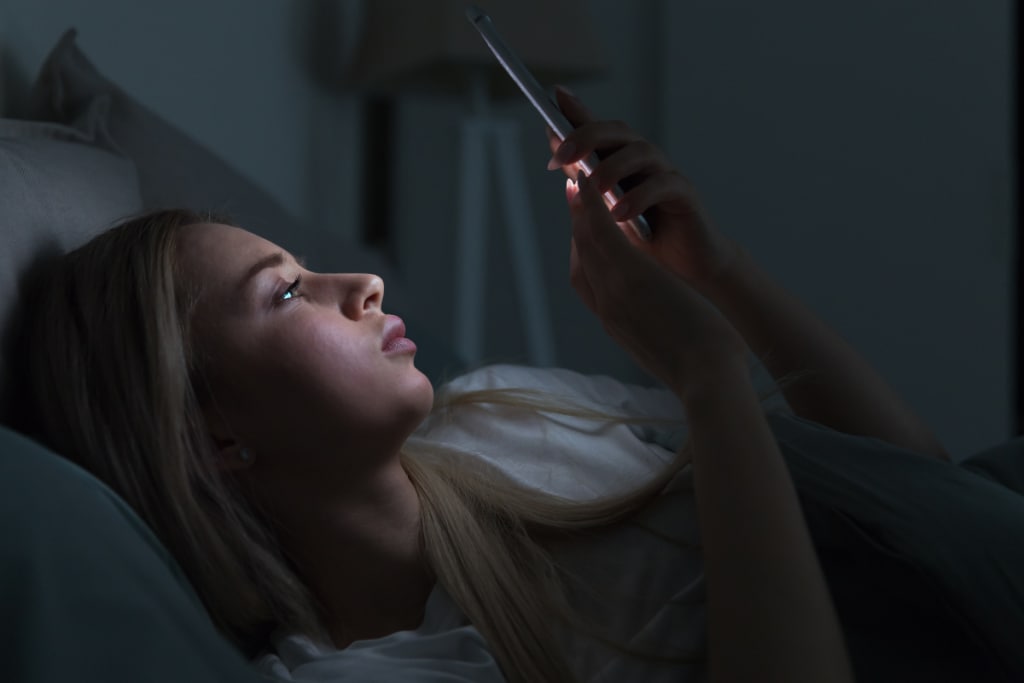
Blue light exposure, particularly from screens, can interfere with sleep. Studies have shown that blue light exposure in the evening can suppress the production of melatonin, the hormone responsible for helping us fall asleep. This disruption can lead to trouble falling asleep and poor sleep quality, especially if you’re using devices like smartphones or tablets right before bed. To protect your sleep, it’s best to limit screen time in an hour or two before bedtime.
Protecting Your Eyes from Blue Light
While blue light exposure from digital devices may not be as harmful as some fear, it can still contribute to digital eye strain and disrupt your sleep patterns. The best way to reduce its impact is by incorporating practical habits like taking regular breaks, adjusting your screen settings, and wearing blue light-blocking glasses if necessary. Being mindful of your overall screen time and practicing good eye care can help keep your eyes comfortable and healthy.