Maintaining eye health is crucial for preserving your vision and ensuring a good quality of life. Eye drops play a key role in this, offering relief from discomfort and treating conditions ranging from dry eyes to serious infections. They are essential in daily eye care routines, providing immediate relief and helping prevent long-term damage.
In 2024, the range of eye drops available has grown, catering to diverse eye health needs and preferences. This guide will help you navigate these options and identify which eye drops are best for your specific conditions. It will also provide expert tips on how to use them effectively for optimal results, ensuring your eyes stay healthy. Whether you’re dealing with seasonal allergies, managing a chronic condition like glaucoma, or just looking to refresh tired eyes, knowing the right choices and practices can make a significant difference.
Understanding Eye Drops
Eye drops are a specialized medication that delivers active ingredients directly to your eyes. They come in two main types: over-the-counter (OTC) and prescription, each designed for different conditions and needs. Knowing the basics of eye drops can help you make better decisions about your eye care.
Types of Eye Drops
- Lubricating Eye Drops – Lubricating eye drops are designed to relieve dryness and discomfort by mimicking your natural tears. They’re perfect for people who spend long hours in front of screens or in dry environments, providing much-needed moisture and comfort.
- Anti-Allergy Eye Drops – These drops contain antihistamines or other compounds to combat the symptoms of eye allergies, such as itching, redness, and swelling. They offer quick relief and help you manage allergy flare-ups effectively.
- Anti-Redness Eye Drops – Anti-redness eye drops provide quick relief from red eyes, but it’s important not to use them too frequently. Overuse can lead to rebound effects, where redness returns worse than before.
- Antibiotic Eye Drops – Prescribed for bacterial infections, these drops are effective in treating conjunctivitis and other bacterial eye conditions. They help clear up infections and restore eye health.
- Glaucoma Eye Drops – Glaucoma eye drops help manage glaucoma by reducing intraocular pressure, which is crucial in preventing vision loss. They are an essential part of treatment for those diagnosed with this condition.
- Contact Lens Eye Drops – Specially formulated for contact lens wearers, these drops help keep your eyes moisturized without damaging the lenses. They ensure comfort and clarity throughout the day.
Safe Use of Eye Drops
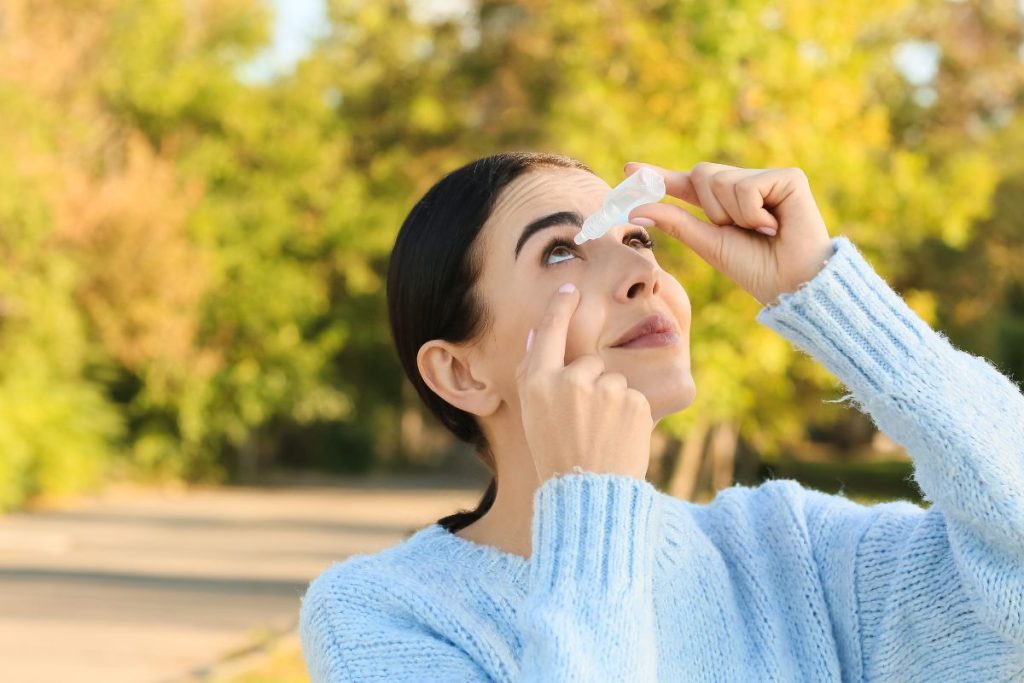
Ensuring eye drops are applied correctly is crucial to maximizing their benefits and effectiveness. It begins with basic hygiene: always wash your hands thoroughly to prevent introducing bacteria or other contaminants to your eyes. When you’re ready to apply the drops, gently tilt your head back, pull down your lower eyelid to create a small pocket, and carefully squeeze out a drop without letting the dropper touch your eye or eyelashes. This technique helps to avoid infection and ensures the medication is delivered right where it’s needed.
Moreover, it’s important to be mindful of the common pitfalls associated with eye drop usage. One such mistake is the overuse of anti-redness drops, which can lead to a rebound effect, causing more redness and discomfort in the long run. Always adhere to the recommended dosage and frequency to prevent such issues. Also, proper storage of eye drops is essential to maintaining their efficacy. Keep them in a cool, dry place away from direct sunlight, and make sure the cap is securely fastened after each use to keep the drops sterile and safe for your eyes.
Lifestyle Tips and Home Remedies
Preventive care can significantly reduce the need for eye drops. Protecting your eyes from excessive screen time, dry air, and dust can prevent irritation and dryness. Regular eye exams are also crucial for detecting issues early and maintaining optimal eye health. Simple habits like taking breaks during long periods of screen use, using a humidifier to keep indoor air moist, and wearing protective eyewear in dusty environments can make a big difference.
Experts also recommend a diet rich in vitamins and antioxidants to support eye health. Foods high in vitamins A, C, and E, along with omega-3 fatty acids, contribute to better vision. Staying hydrated and practicing good hygiene, especially if you wear contact lenses, are vital for preventing eye infections and discomfort. Incorporating a balanced diet, staying hydrated, and getting enough sleep are key factors in maintaining healthy eyes.
Gentle eye massages and warm compresses can help improve circulation and reduce strain. By adopting these lifestyle changes and home remedies, you can keep your eyes comfortable and healthy, reducing the need for frequent use of eye drops. With these expert tips and preventive measures, you can ensure your eyes remain in top condition.
Summary
Eye drops are an essential tool for maintaining eye health, offering relief from dryness, irritation, allergies, and infections. Choosing the right type and using them correctly is crucial for their effectiveness. By staying informed and consulting with healthcare professionals, you can ensure that your vision remains clear and your eyes stay healthy.
Regular check-ups with your eye doctor are the foundation of good eye health, helping to catch any potential issues early. Make these check-ups a priority in your care routine, and don’t hesitate to ask your eye care provider for advice on the best eye drops for your specific needs. Taking these steps will help keep your eyes comfortable and your vision sharp for years to come.